Inside the Machine: How Software Will Recast the Future of the Car
 by
by 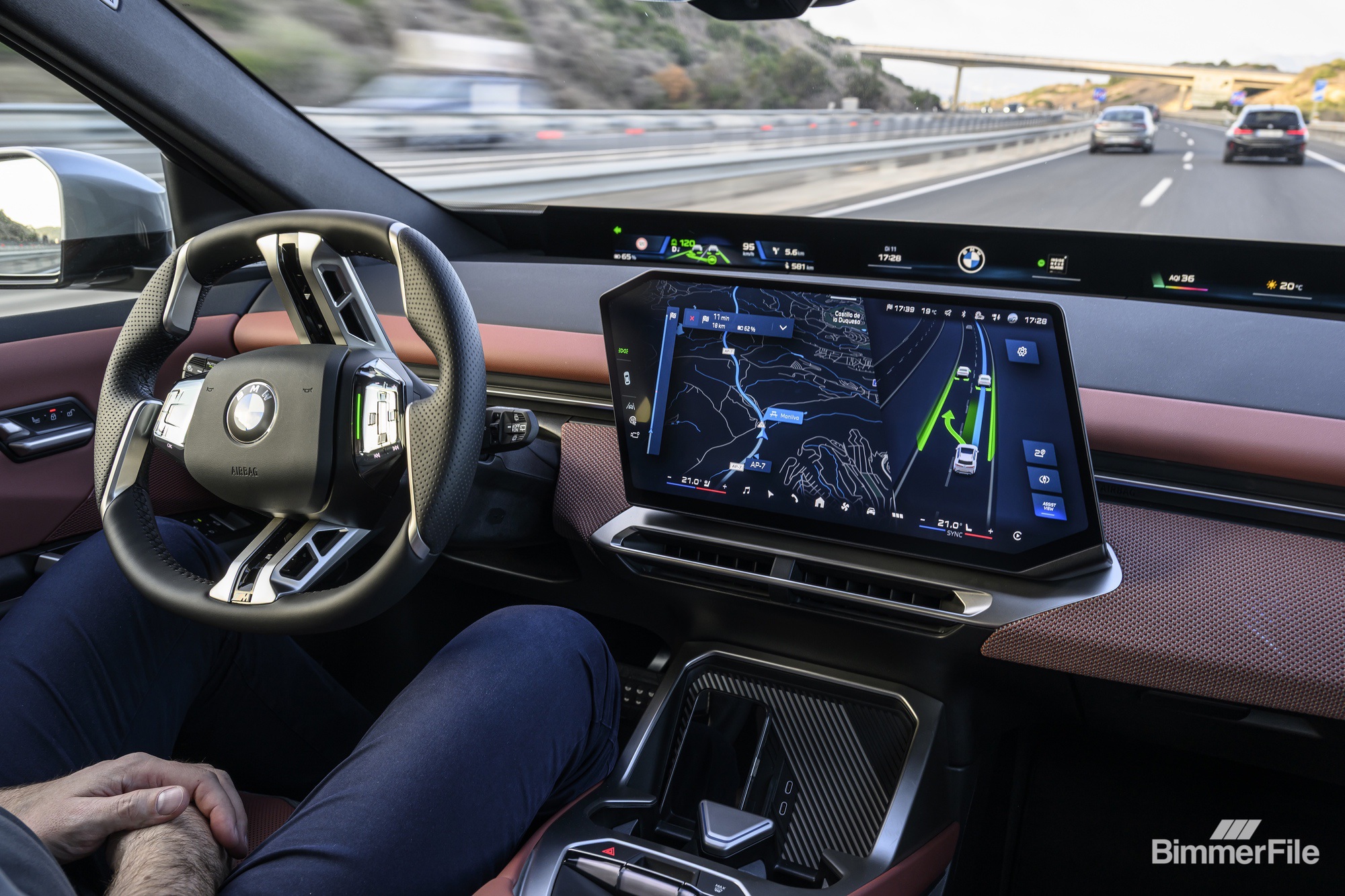

At CES 2026, the conversation around the future of the car shifted in a meaningful way. It was no longer about horsepower, range, or even design. It was about software. Not screens or digital gimmicks, but the underlying architecture that will determine how cars are built, updated, and experienced for decades. And among legacy automakers, BMW is emerging as the clear leader.
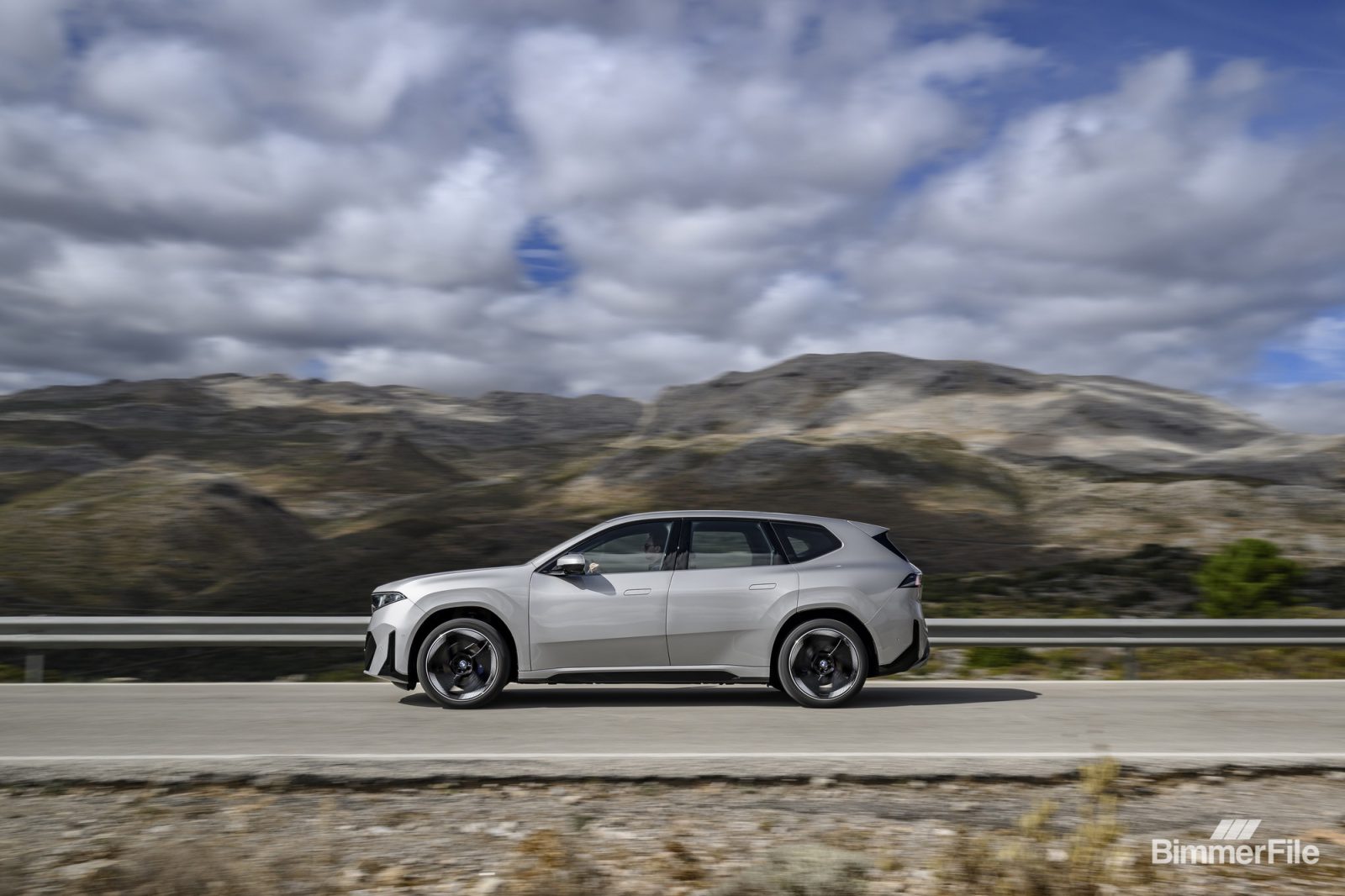
Speaking to MotorTrend, BMW technology chief Joachim Post made it clear that the company is no longer treating software as a layer added late in development. It is now the foundation as much as the physical platform itself. The upcoming Neue Klasse models, beginning with the electric iX3, are designed from the ground up as software-defined vehicles.
This shift is not just about features. In a world shaped by trade tensions, supply chain volatility, and rapid advances in computing, BMW wants the ability to adapt without reengineering entire vehicles. The answer is decoupling software from hardware.

Instead of tying vehicle functions to specific chipsets or suppliers, BMW is building a flexible software stack that can run across multiple hardware platforms. Whether processors come from Qualcomm, Samsung, Infineon, or others becomes less critical. What matters is that the same core software can operate consistently across regions and suppliers. That flexibility is now a strategic necessity, not a technical luxury.
This architecture also unlocks the real promise of over-the-air updates. Vehicles will no longer be frozen at the moment they leave the factory. Software updates can refine driving behavior, improve efficiency, enhance safety systems, and add entirely new capabilities years after purchase. The car becomes something that evolves rather than ages.
Artificial intelligence plays a central role in this future. BMW plans deep integration of Amazon’s next-generation Alexa Plus into its operating system. This is not voice control as a novelty. It is conversational, contextual AI that can handle complex tasks like managing schedules, finding destinations, and interacting with connected services in a natural way.
Importantly, BMW is taking a hybrid approach. Core functions continue to run locally in the vehicle, ensuring reliability even without connectivity. Cloud-based intelligence enhances the experience rather than replacing it. This balance reflects a growing understanding that cars must remain dependable machines first, even as they become increasingly digital.
Software also becomes the connective tissue between the car and the rest of a driver’s digital life. The same assistant used at home or on a phone can follow you into the vehicle, creating continuity across devices and environments. Mobility becomes part of a broader personal ecosystem rather than a standalone experience.
Yet BMW is cautious about excess. Post acknowledged that not every customer wants complexity or constant interaction. The challenge is not just building advanced software but making it intuitive, restrained, and respectful of the driving experience. Technology should reduce friction, not introduce it.
BMW’s strength in the software-defined era is not speed but discipline. Rather than chasing Silicon Valley-style reinvention, the company has focused on building a flexible digital foundation while preserving what matters most in a car: reliability, usability, and driving integrity.
Years of in-house software development, from early iDrive systems to today’s OS platforms, have given BMW hard-earned experience. Those lessons are now shaping a more mature approach that prioritizes modular architecture, long-term support, and meaningful updates over novelty.
A critical enabler of this strategy is BMW’s new Heart of Joy processing units. By consolidating vehicle control, driving dynamics, and key software functions into a small number of high-performance computers, BMW gains the determinism, latency control, and integration needed to make software truly central to the driving experience. This hardware-software co-design is what unlocks real-time responsiveness and future-proof over-the-air evolution.
BMW also understands that automotive software carries different stakes than consumer tech. Keeping critical functions running locally while using cloud intelligence to enhance the experience shows a clear focus on safety and dependability.
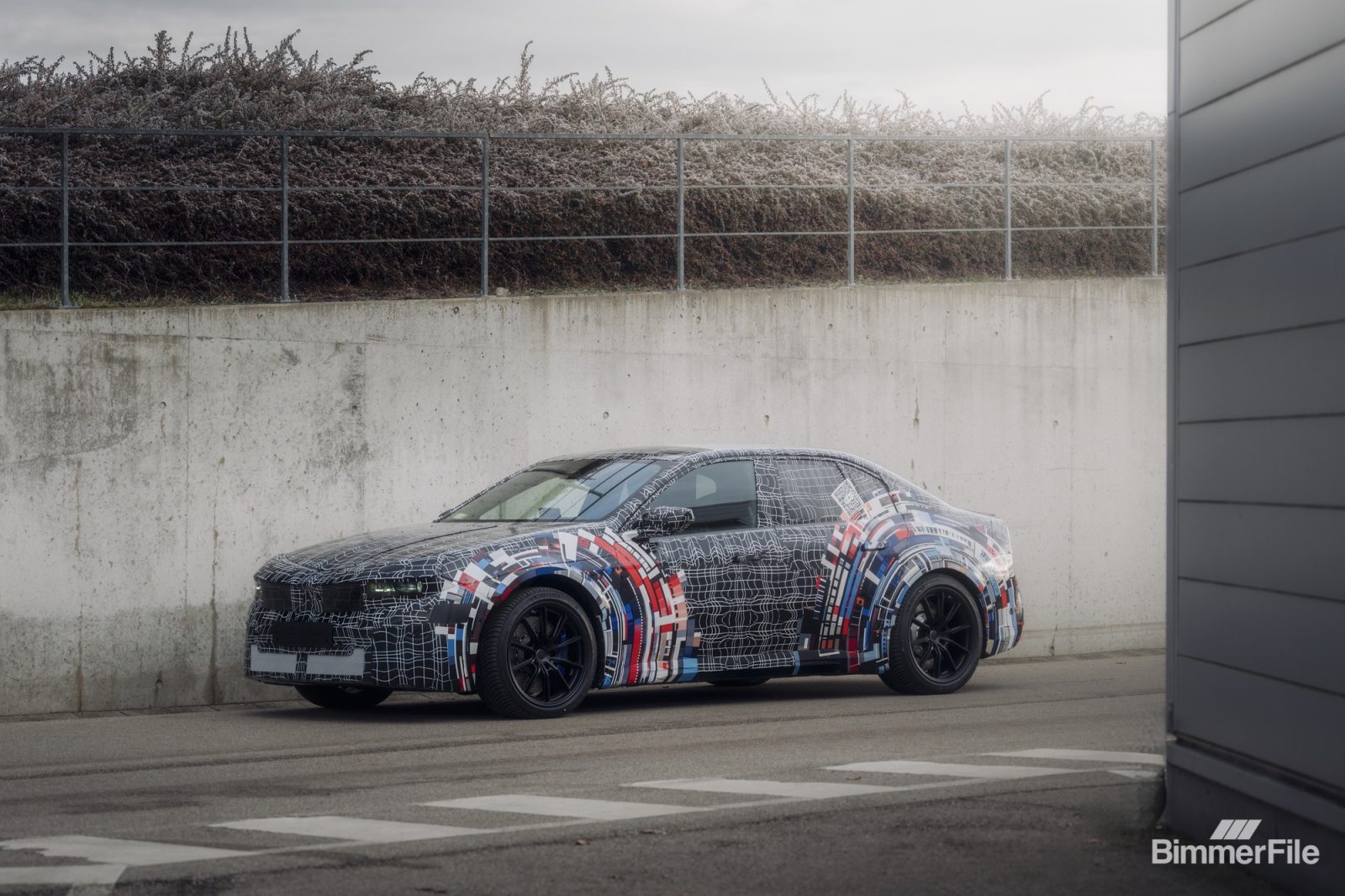
With Neue Klasse, BMW aligns hardware and software from the start, avoiding the compromises of retrofitted systems. Combined with a supplier-agnostic strategy that reduces risk in a volatile global market, BMW is positioned to navigate the software-defined future with confidence and clarity.