
Will Anyone Care About an Electric BMW M3 No Matter How Fast is it?
 by
by 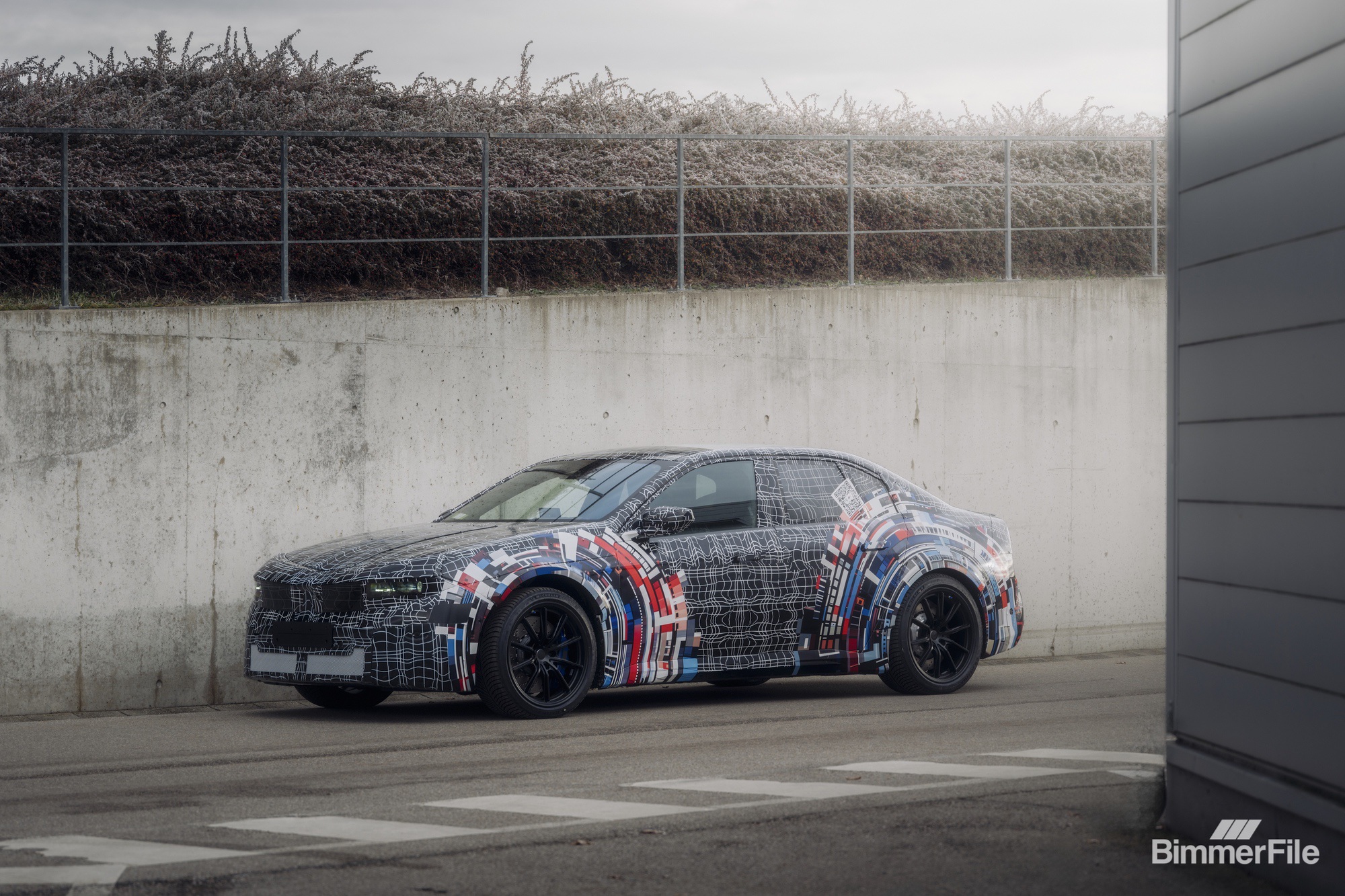

Got it. Here’s a clean rewrite in your voice that keeps the insight, sizes and contextualizes ZF, and does not reuse or echo language or structure from the last two paragraphs of your original notes. The conclusion is entirely new.
BMW M’s Electric Gamble Comes at an Awkward Moment
BMW has spent nearly seven years preparing for Neue Klasse. Not as a mid-cycle correction or a marketing exercise, but as a wholesale rethinking of how the company builds cars. Architecture, software, production, performance philosophy. This is the future BMW has been aligning around with unusual patience and discipline.
Which makes the timing of BMW M’s electric pivot especially interesting.
As EVs have matured, they have also converged. For most buyers, electric vehicles are now defined less by excitement and more by efficiency, incentives, and daily usability. They are quiet, fast enough, increasingly similar, and increasingly treated like appliances. That reality sits uncomfortably close to a brand whose performance division has always traded on emotion, feedback, and character.
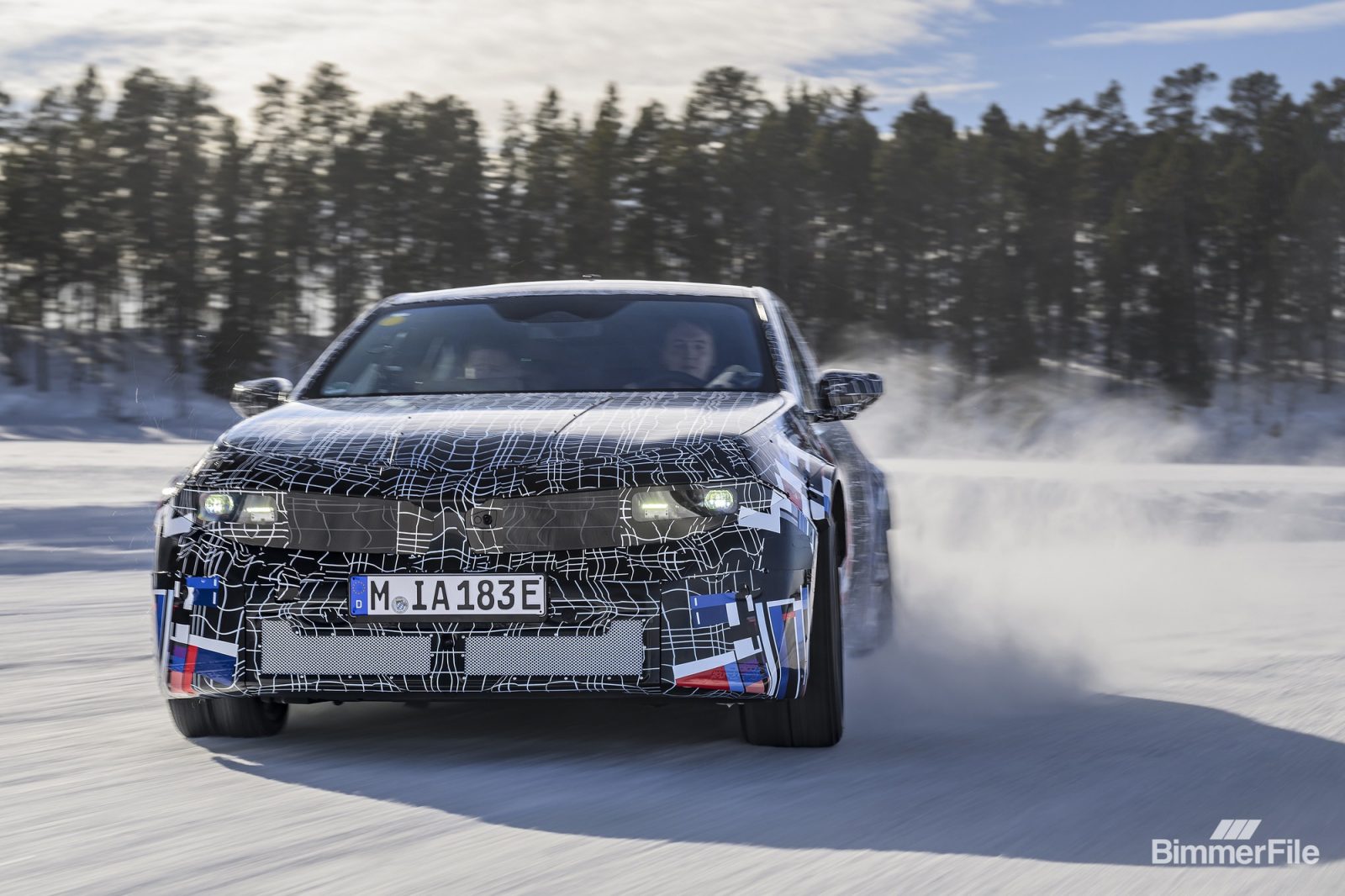
BMW recently confirmed that fully electric M models will arrive from 2027, promising to translate the “Ultimate Driving Machine” into an electric form. The ambition is clear. The question is whether the market is ready to meet it with anything more than polite interest.
Oliver Zipse may want to compare notes with Oliver Blume, who has already seen how difficult the high-performance EV conversation can be at scale through Porsche. Early enthusiasm has given way to a more sober reality, where even excellent electric sports sedans struggle to maintain momentum once novelty fades.
That tension is not isolated to one brand.
Last week, ZF Friedrichshafen publicly acknowledged it has agreed with automakers to terminate multiple electric-mobility projects ahead of schedule because demand has failed to ramp as expected. The decision carries real weight. ZF employs roughly 160,000 people globally, generates over €40 billion in annual revenue, and sits at the center of the European supplier ecosystem. The move will result in up to €1.7 billion in restructuring and impairment charges, pushing the company toward an annual loss tied directly to slower EV adoption.
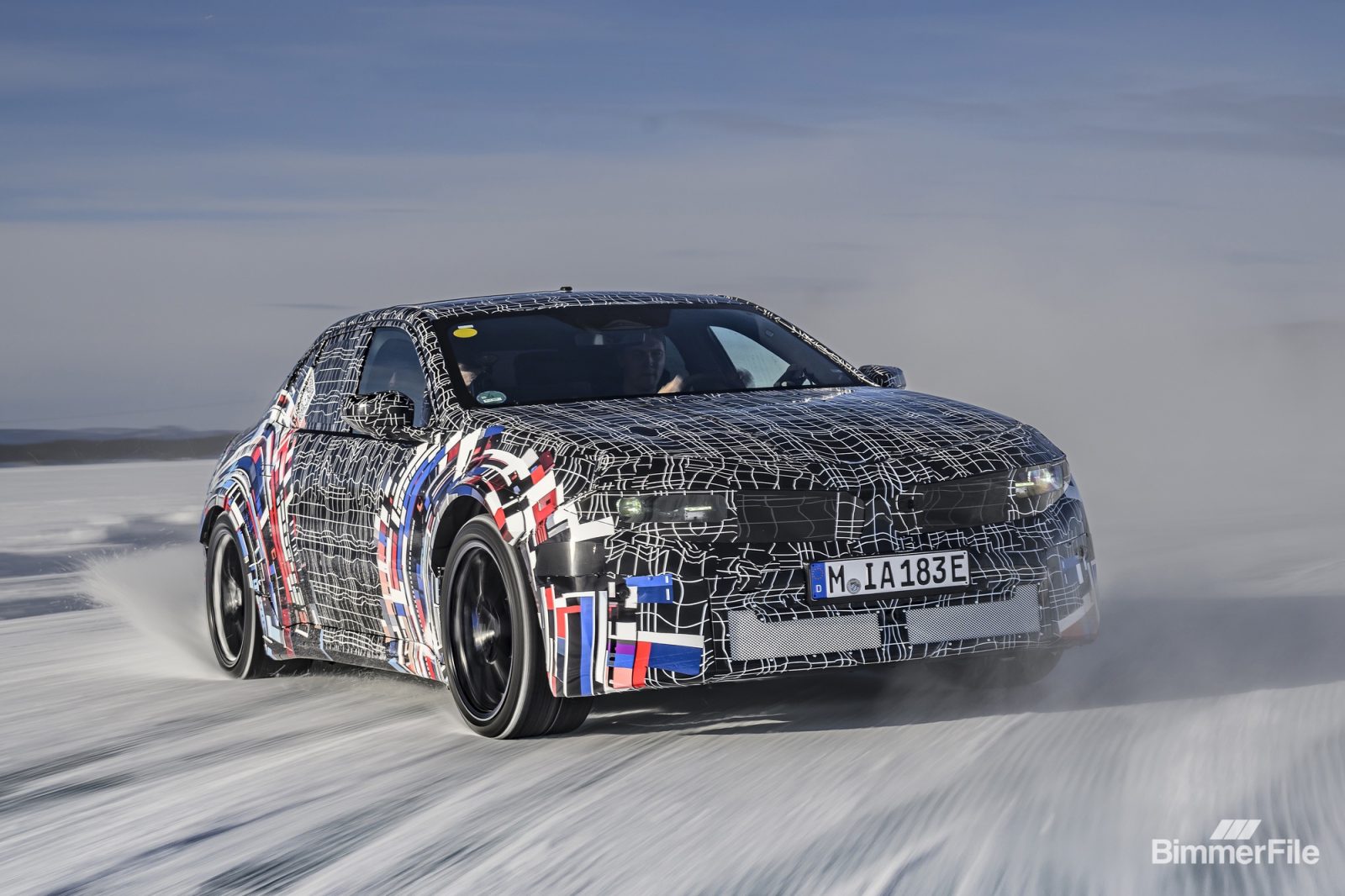
Against that backdrop, BMW’s confidence in electric M cars becomes both bold and risky. Neue Klasse gives BMW tools it has never had before: computing power measured in orders of magnitude, electric torque control beyond the limits of combustion physics, and chassis systems capable of reacting faster than human perception. In theory, these are exactly the ingredients needed to redefine performance.
The problem is that redefining performance is not the same as redefining desire.
BMW could very plausibly build an electric M3 that out-accelerates, out-handles, and out-performs every M car that came before it. It could set internal benchmarks no previous generation could approach. But technical superiority alone no longer guarantees cultural relevance, especially in a segment where straight-line speed has been commoditized.
What BMW M is really being asked to do is harder than going electric. It must convince enthusiasts that engagement can exist without noise, that character can be programmed without feeling synthetic, and that performance can still feel personal in a medium defined by silence and sameness.
Neue Klasse will answer many questions about BMW’s future. The electric M car will answer a more uncomfortable one.
Not whether BMW can make an electric performance car. But whether anyone will still be listening when it does.

