BMW Pilot Could Keep ICE Cars Legal in the EU for Years to Come
 by
by 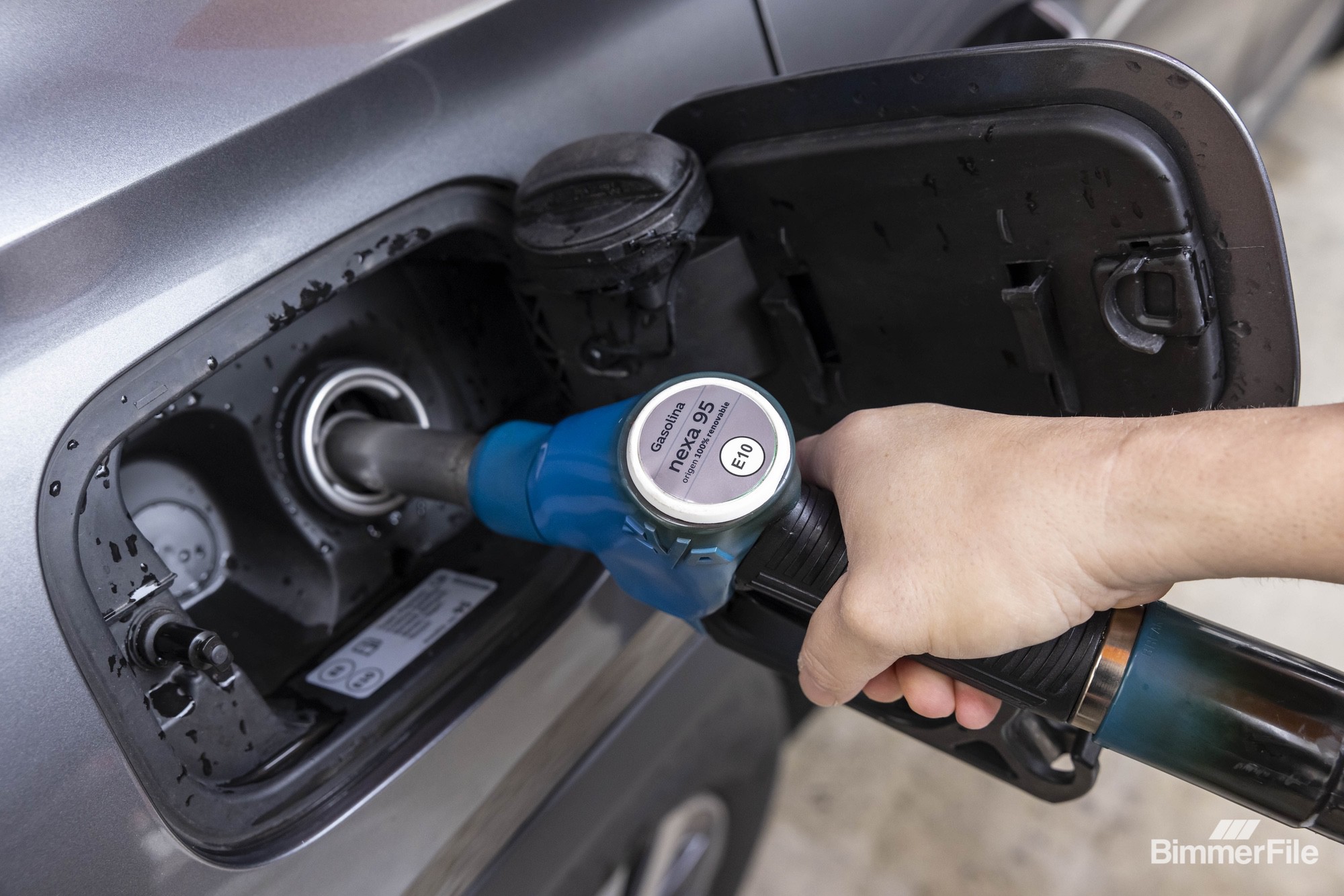

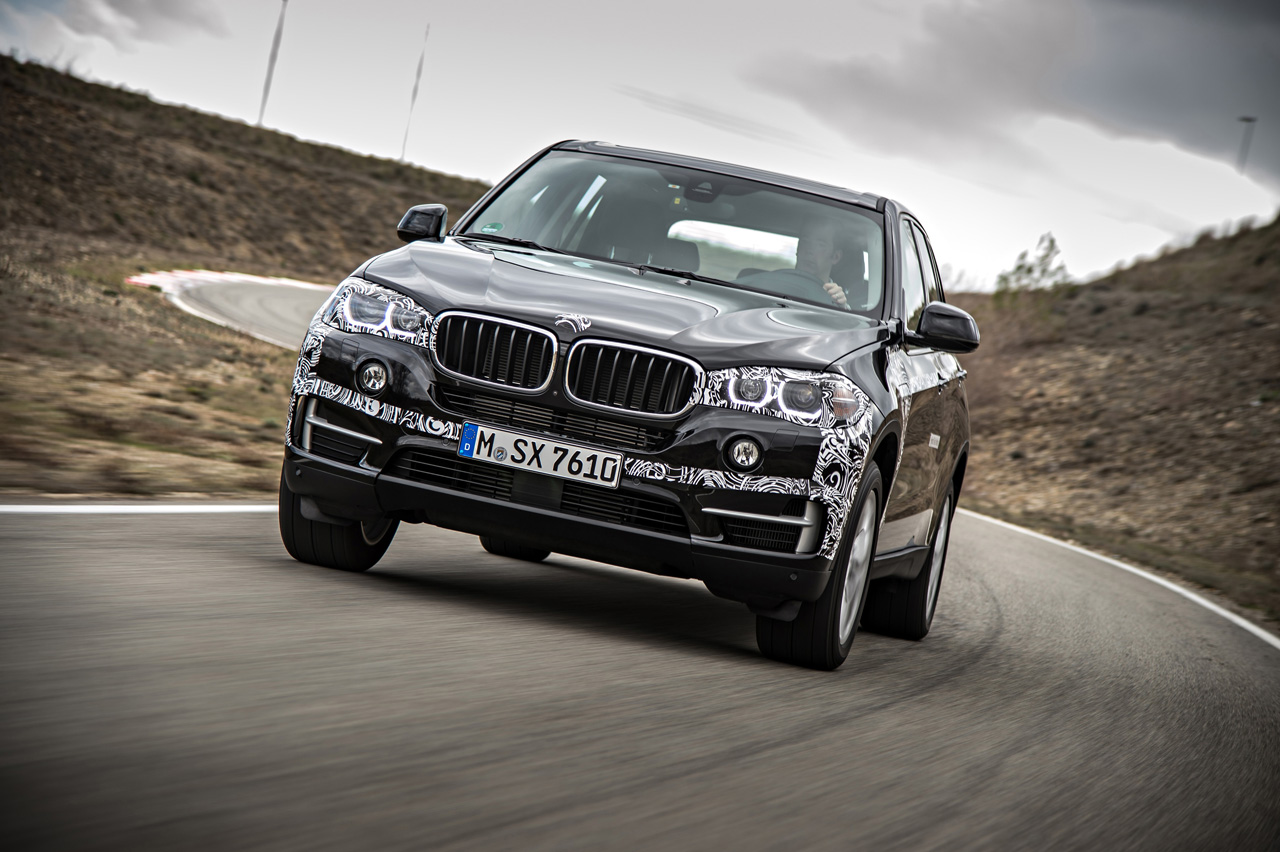
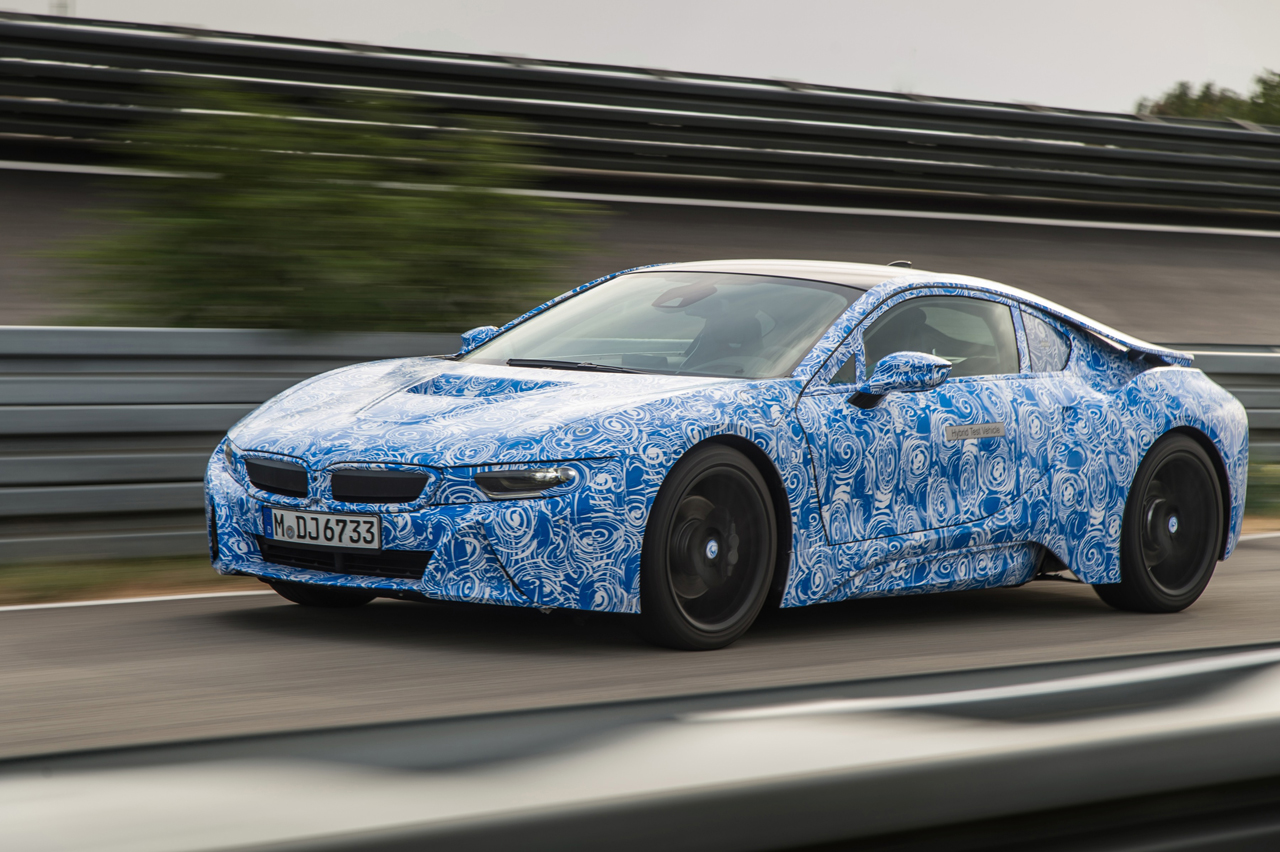
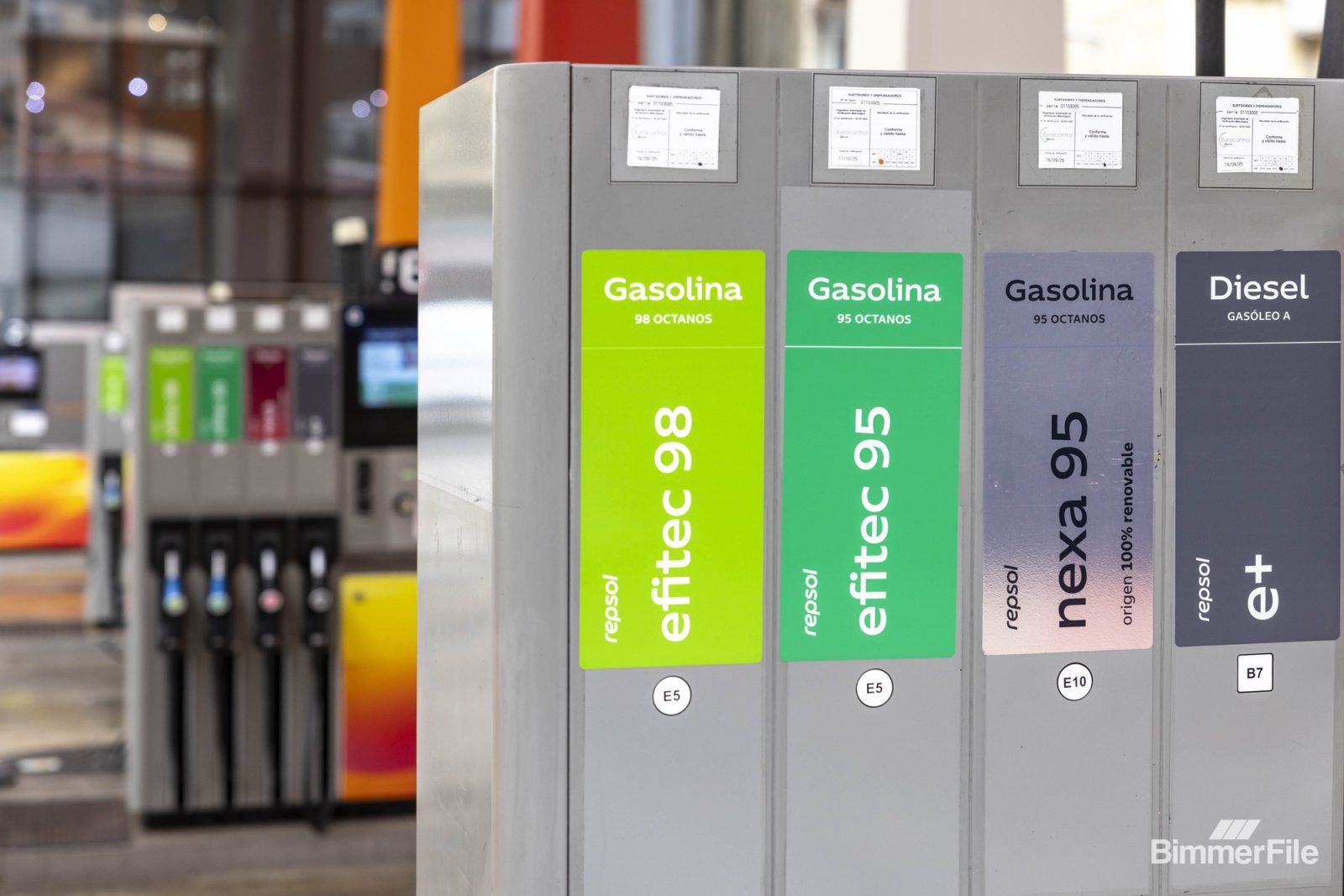
BMW Group has begun a six month pilot in Spain putting its combustion technology openness strategy into practice on public roads, not in a lab, and the data it produces could be the difference between petrol cars disappearing from EU showrooms in 2035 and sticking around for years after. Working with Toyota Motor Europe, Bosch and Repsol, BMW has deployed roughly 20 fleet vehicles running exclusively on Repsol’s Nexa 95, a 100% renewable petrol, with Bosch’s new Digital Fuel Twin system verifying usage across the entire fuel chain.
This is deliberately unglamorous by design. No new engines, no new infrastructure, no new vehicle architecture. The whole premise is that decarbonisation does not have to wait for a battery only future. Existing Toyota, Lexus and BMW cars are running on fuel produced from RED compliant renewable feedstocks, dispensed from Repsol’s existing public stations, with Bosch cross referencing vehicle telemetry, station data and fuel card transactions to certify that the renewable fuel claimed at the pump is what actually ends up in the tank.
Dr Stefan Heller, heading BMW’s VEEF programme, ties this directly to the group’s long running technology openness position, one we examined at length in our breakdown of BMW’s dual platform strategy across Neue Klasse and CLAR. CLAR is built to run ICE and EV powertrains side by side well into the next decade, and pilots like this one are how BMW builds the regulatory case to keep it that way rather than being forced into an EV only product line by 2035.
Toyota’s Pascal Ruch is the most direct of the partners, stating that hitting a fully zero emission new vehicle fleet by 2035 is now genuinely in doubt, and that renewable fuels, alongside hybrids and plug in hybrids, need to help bridge that gap. Repsol’s Estíbaliz Pombo frames it as expanding consumer choice rather than replacing electrification. None of this is BMW walking back its EV investment. It is BMW hedging, again, the same instinct that has defined its product strategy since long before Neue Klasse existed, and this time with a direct line to Brussels.
Data from the pilot will be shared directly with EU policymakers over the coming months, aimed squarely at securing formal recognition for VEEF vehicles within future EU emissions frameworks. If that recognition lands, it gives combustion cars a legitimate compliance pathway that does not depend on a hard 2035 deadline, extending the runway for petrol and diesel BMWs well past what current EU rules imply. Worth flagging that this remains a Spain specific trial, with Repsol currently the only public supplier of 100% renewable petrol in that market, so scaling this beyond a 20 car fleet is a separate and much larger question than proving the concept works.