the Chicago Auto Show 2025 – The Largest Consumer Show in the US Delivers
 by
by 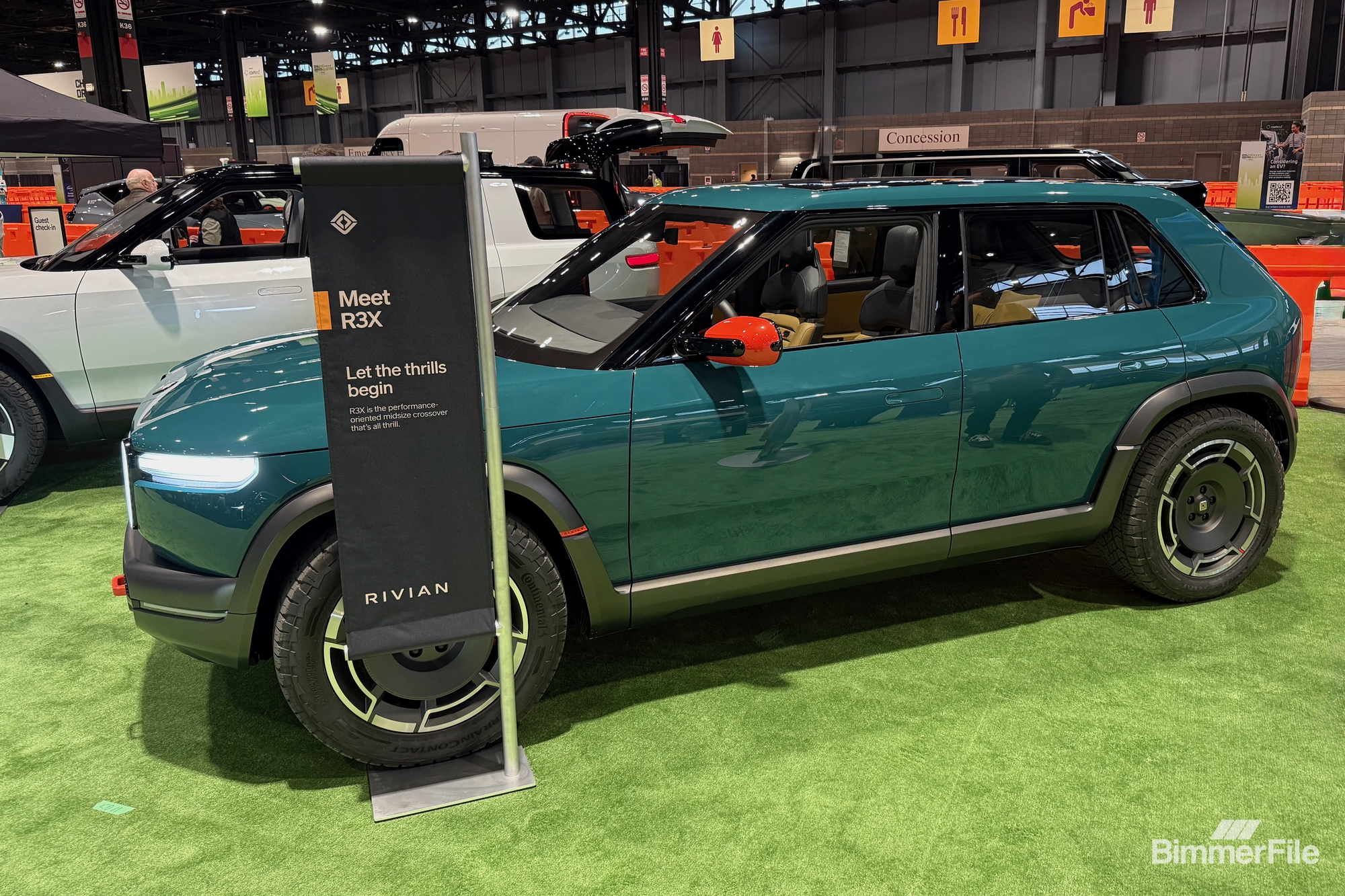

The 116th edition of the Chicago Auto Show delivered what North America’s largest indoor automotive spectacle always promises: a sprawling, cross-section of mostly trucks and SUVs under one roof, at McCormick Place in early February. The show may not have been headline-rich compared with some global motor shows, it had a handful of interesting crossover concepts that should make BMW take notice.
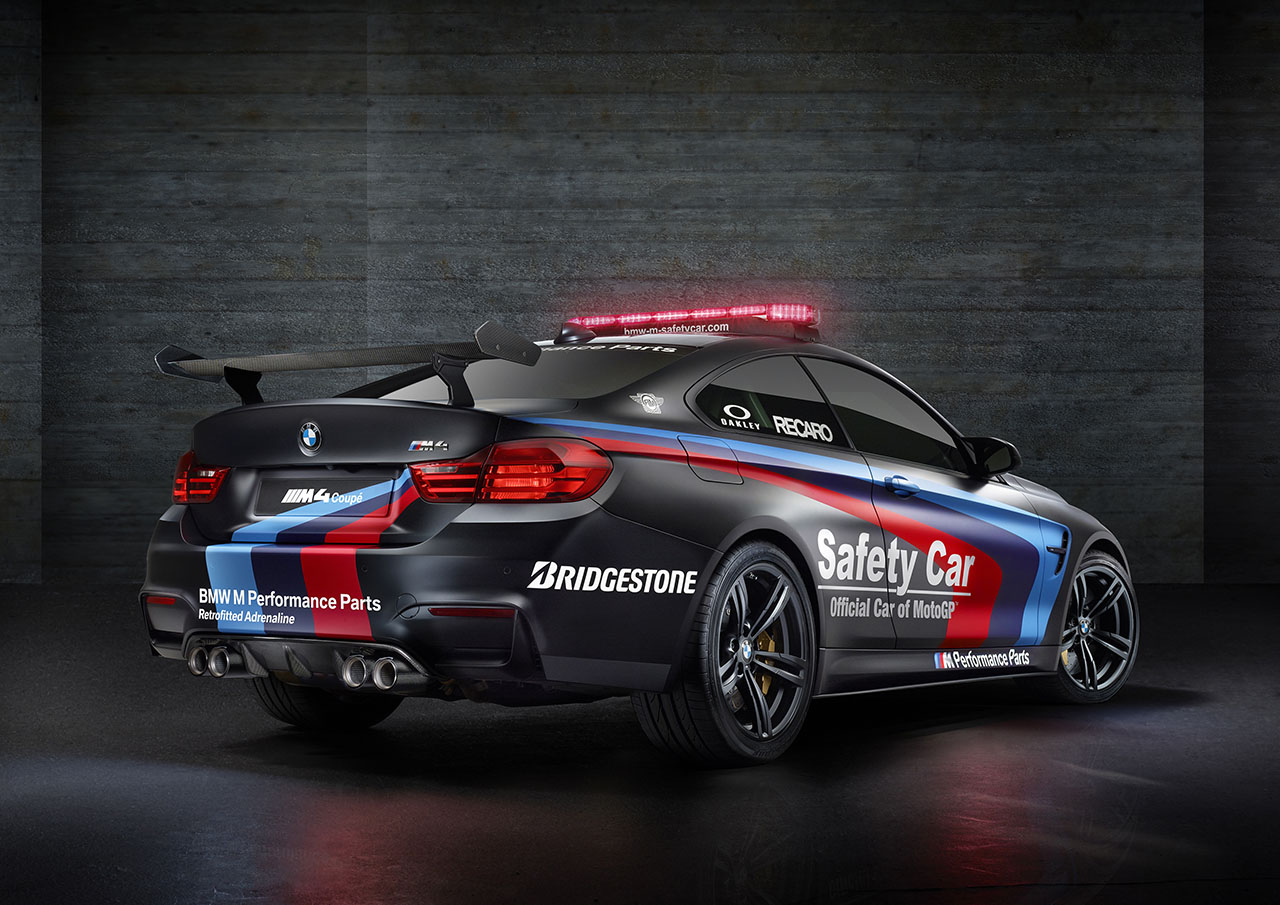
BMW’s footprint at the 2025 show wasn’t the biggest on the floor, but for fans of the brand, the exhibit delivered substance over gloss with a wide selection of M cars on display. In talking with BMW representatives, they talked about the importance of a show like Chicago has; its massive consumer interest makes it still relevant where other shows have faded. Performance models like the M3 and M4 were intended to drew the crowds. But the real story was how naturally they sat alongside vehicles like the i5, X5, and X1. No sharp philosophical divides. No sense that one drivetrain invalidated another.
Traditional motor shows have been challenging for premium marques as digital launches and region-specific reveal events dominate the calendar; Chicago instead leaned into an experience-driven format that played relatively to BMW’s strengths.
It was a reminder that even outside core European shows, BMW uses Chicago as a platform to put performance and desirability front and centre.
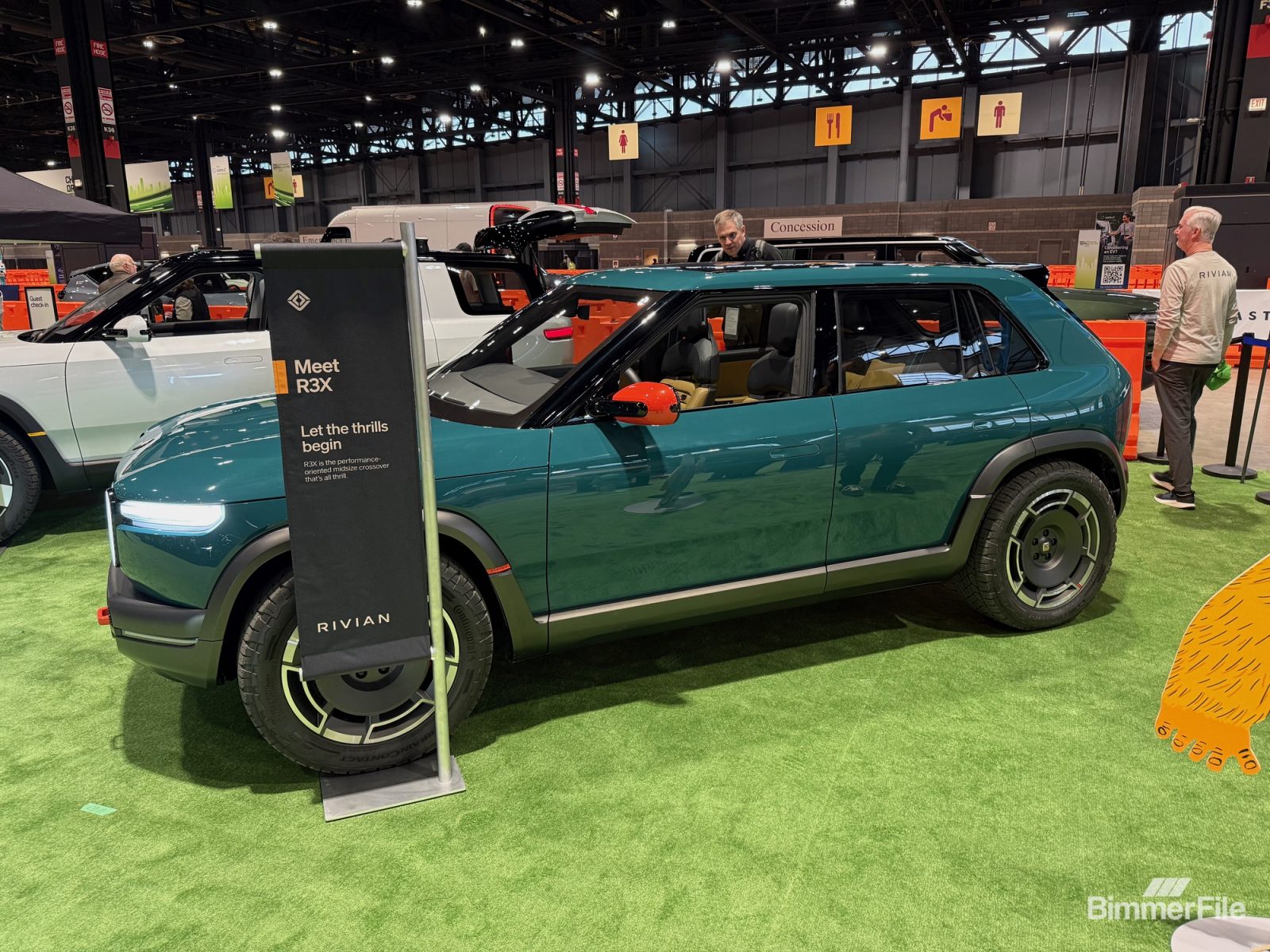
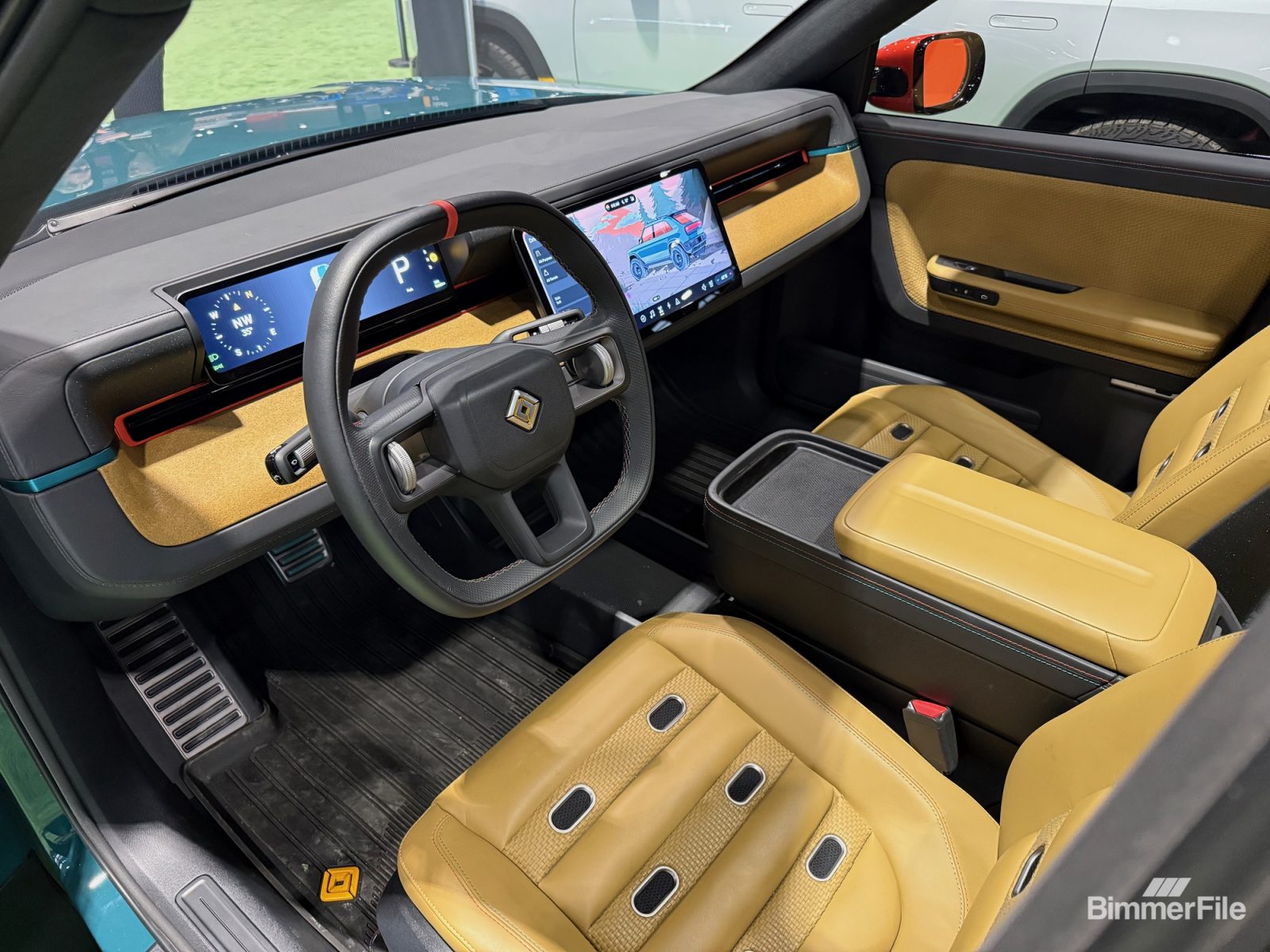
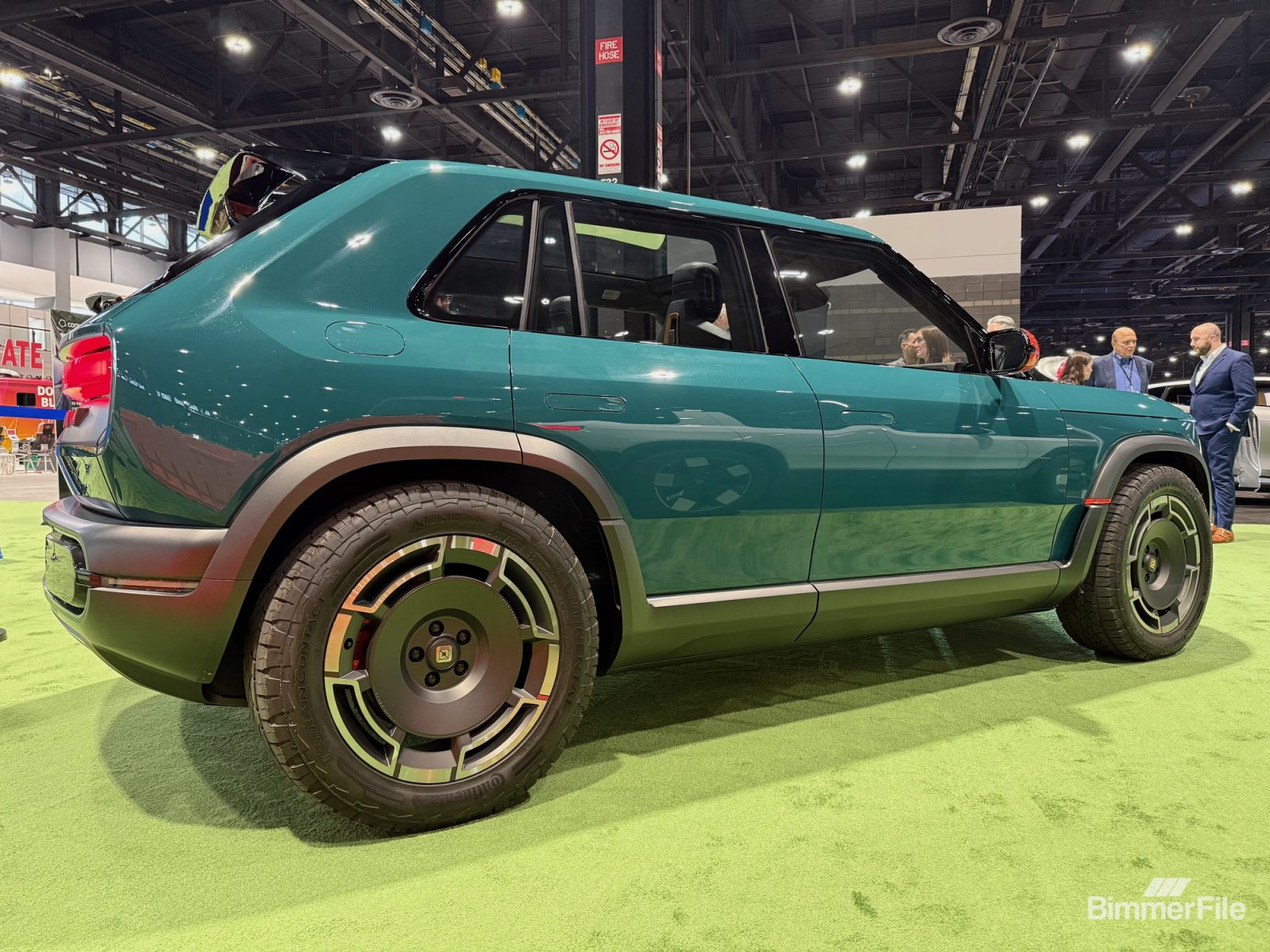
Beyond BMW, a few key displays helped define the broader tone of the 2025 Chicago Auto Show. Rivian’s R2 drew some of the longest looks on the floor, not because it was flashy, but because it finally put a clear, attainable shape around the brand’s future. Smaller, cleaner, and more realistic than the R1S and R1T, the R2 felt like the moment Rivian shifts from niche disruptor to true volume contender.
But the star of the show for us was the Rvian R3X. With the looks reminiscent of a Delta Integrale, it promises a much smaller, more performance oriented package with a very usable form. In person the details looked exceptional and something BMW should be paying very close attention to.
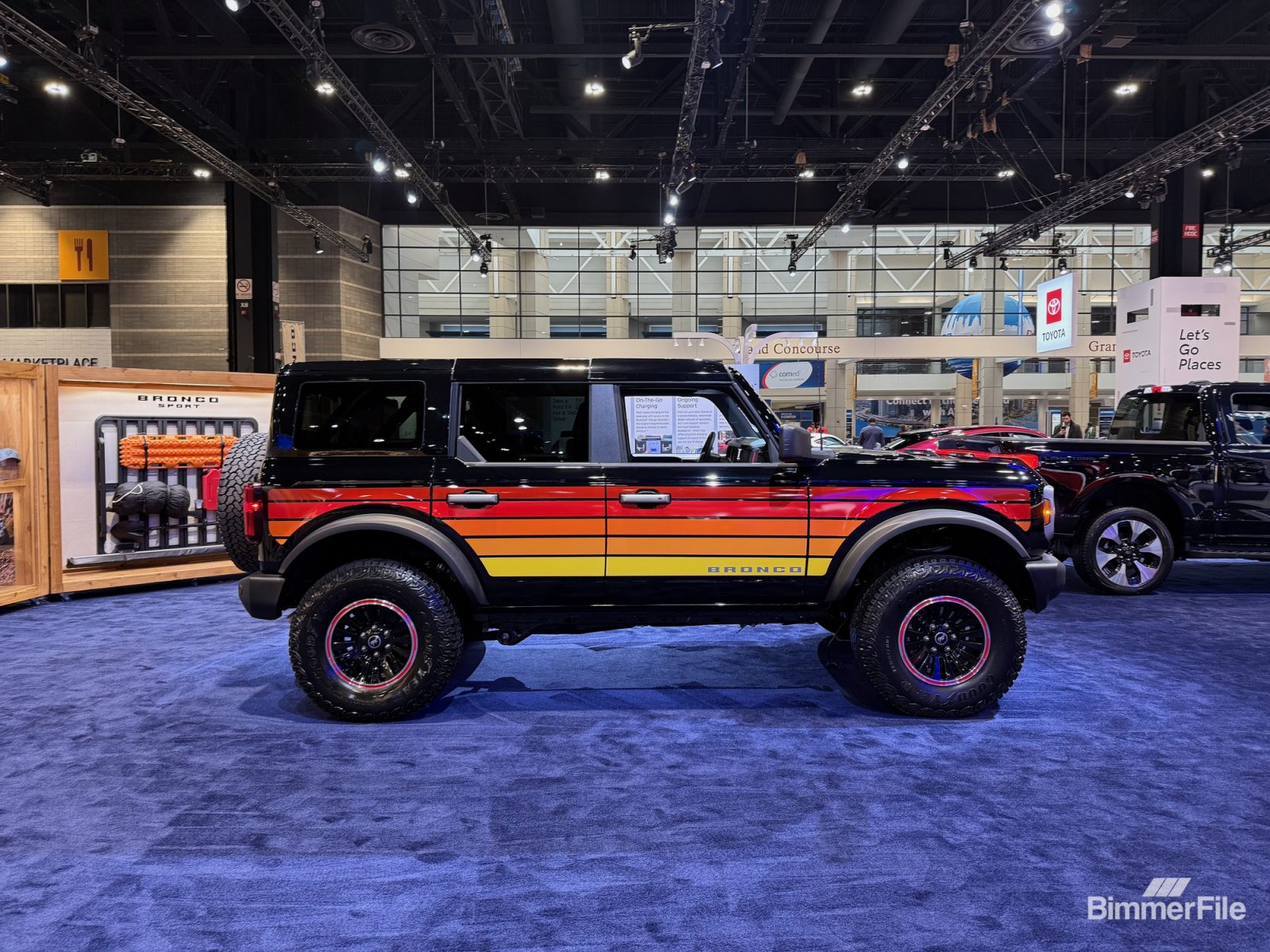
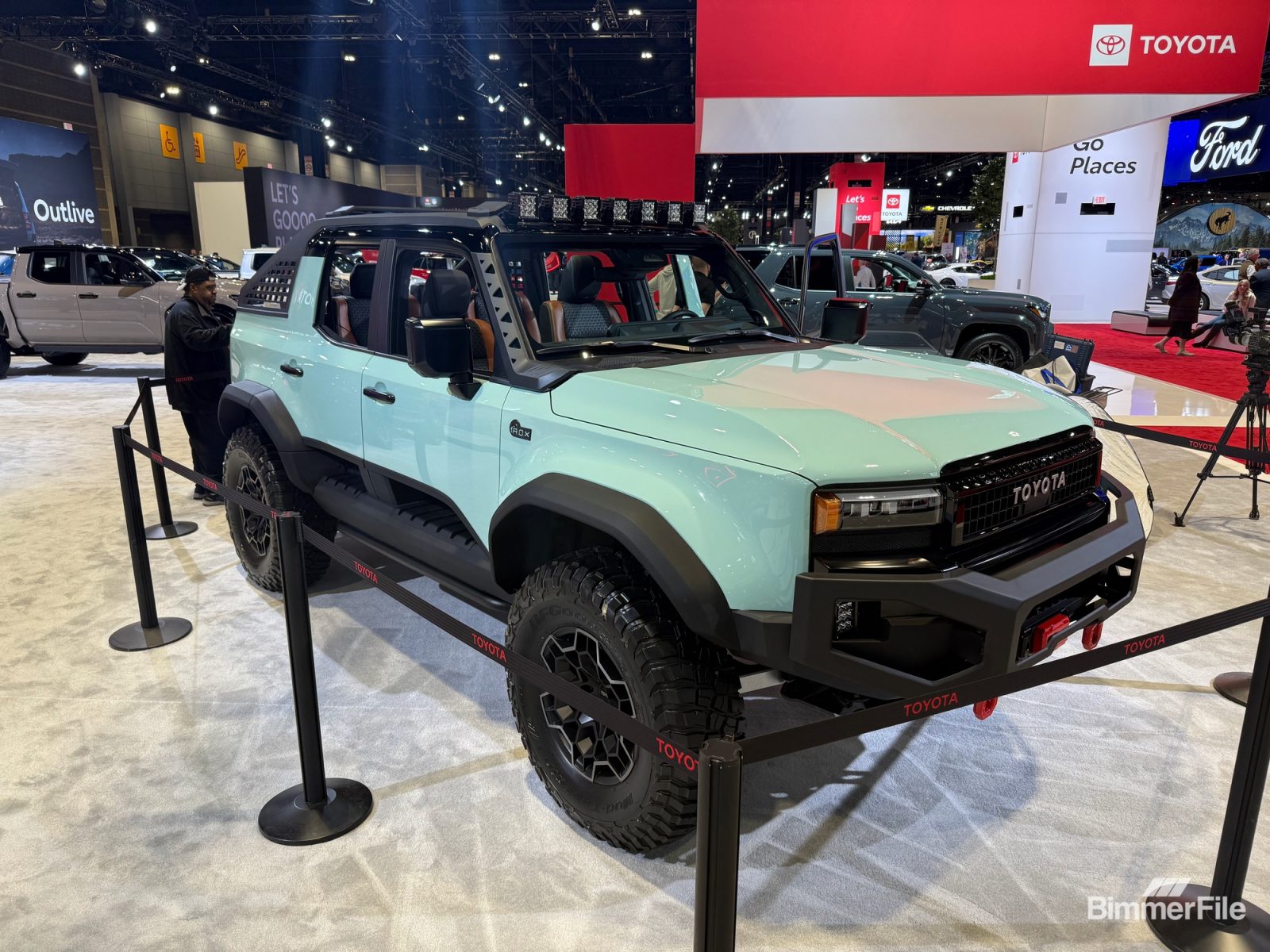
Toyota, meanwhile, leaned into optimism with a forward-looking concept that emphasized flexibility and electrified thinking without locking itself into a single outcome, very much in line with its famously cautious but calculated approach to the future. And then there was Ford, which reminded everyone that emotion still sells. The Bronco special editions were loud, purposeful, and unapologetically physical. In a show increasingly defined by software and screens, they stood out as rolling proof that character, heritage, and off-road credibility remain powerful currencies with real buyers.
In the context of a show where test tracks and EV showcases drew crowds as much as polished static displays, BMW’s quietly confident presence felt appropriate: no overreach, just a solid reminder that Bavaria still matters, even in a busy, broad-based North American auto show ecosystem.