Meet the 2027 BMW X5 and iX5: BMW’s Most Consequential Launch in a Decade
 by
by 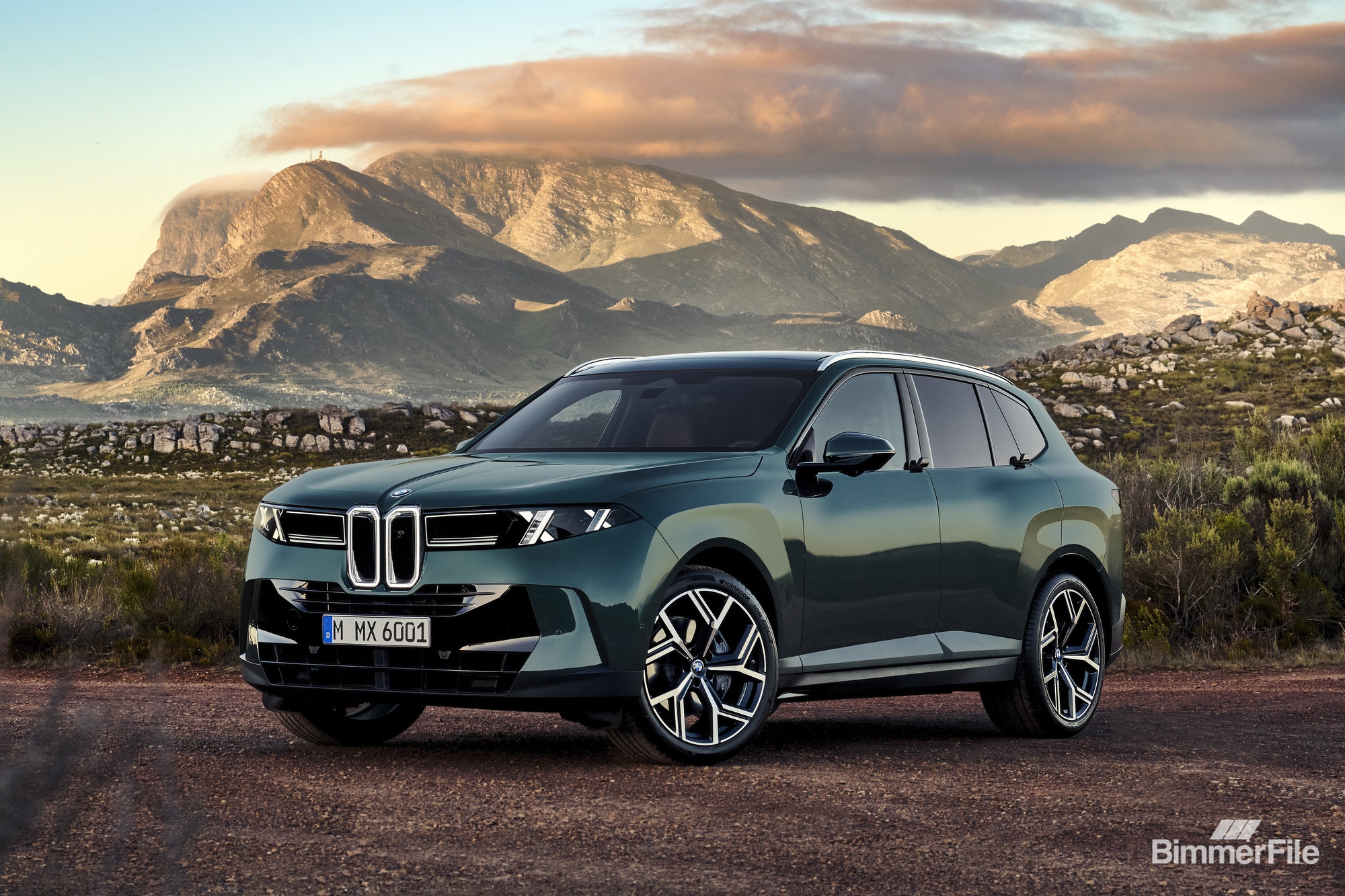

BMW built its reputation on the 3 Series. It built its balance sheet on the X5. That distinction matters more than it might seem. The X5 is the volume leader that funds the passion projects, the profit centre that keeps Motorsport GmbH in carbon fibre. When BMW gets it right, almost everything else downstream benefits. When they don’t, the whole organisation feels it.
The fifth-generation X5 debuted today at Plant Spartanburg in South Carolina, where it has been built since 1999, and where the single largest BMW production facility in the world now adds another milestone: the first battery-electric X5, the iX5, rolling off an American line. That manufacturing provenance is not incidental staging at a moment when the politics of production origin carry genuine commercial consequence.
But the more significant story here is what the 2027 X5 represents for BMW’s design and technology trajectory. This is the car where the Neue Klasse era stops being a promise and starts being a product. And in that respect, it may be the most resolved BMW we’ve seen in years.
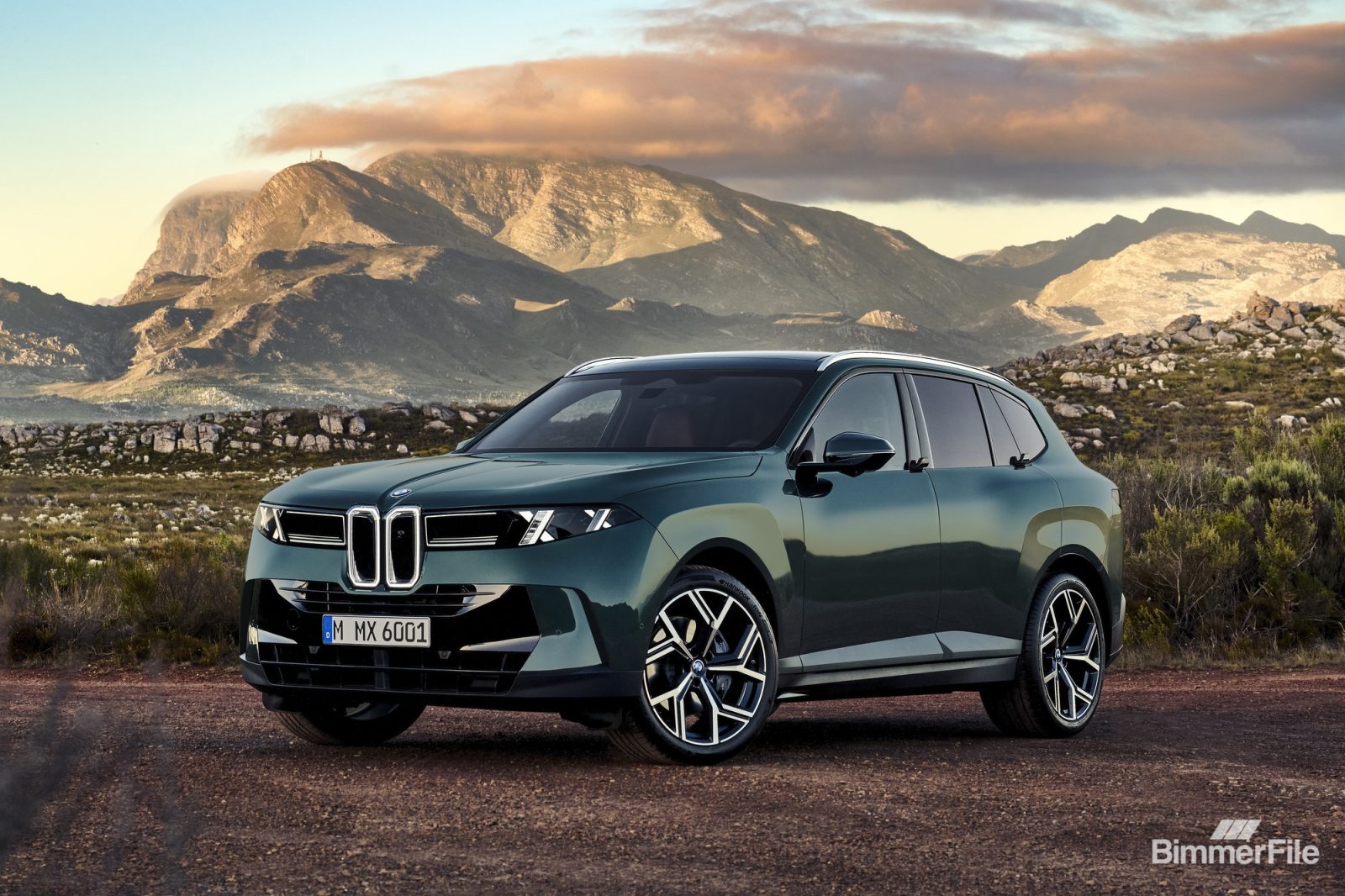
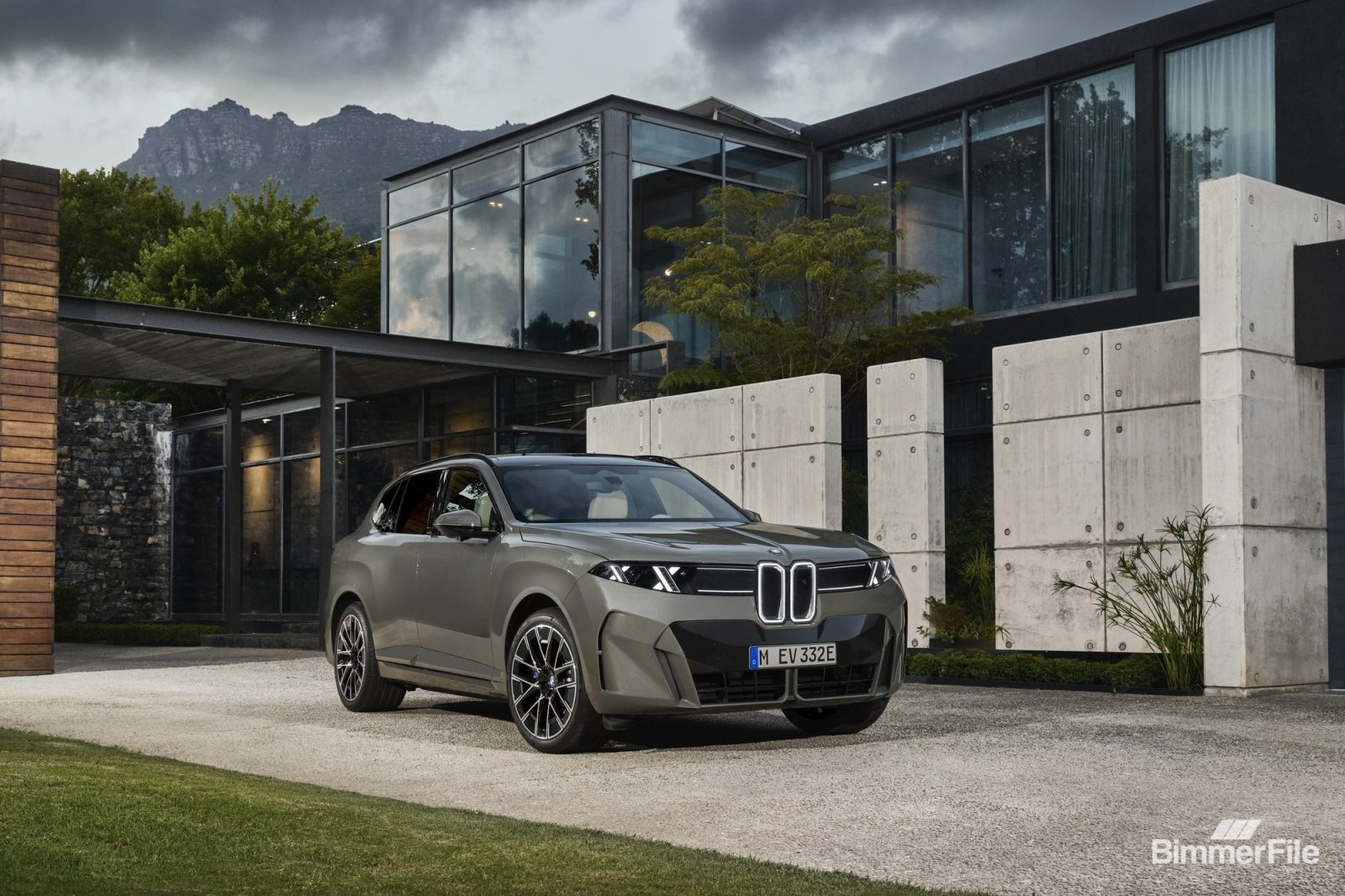
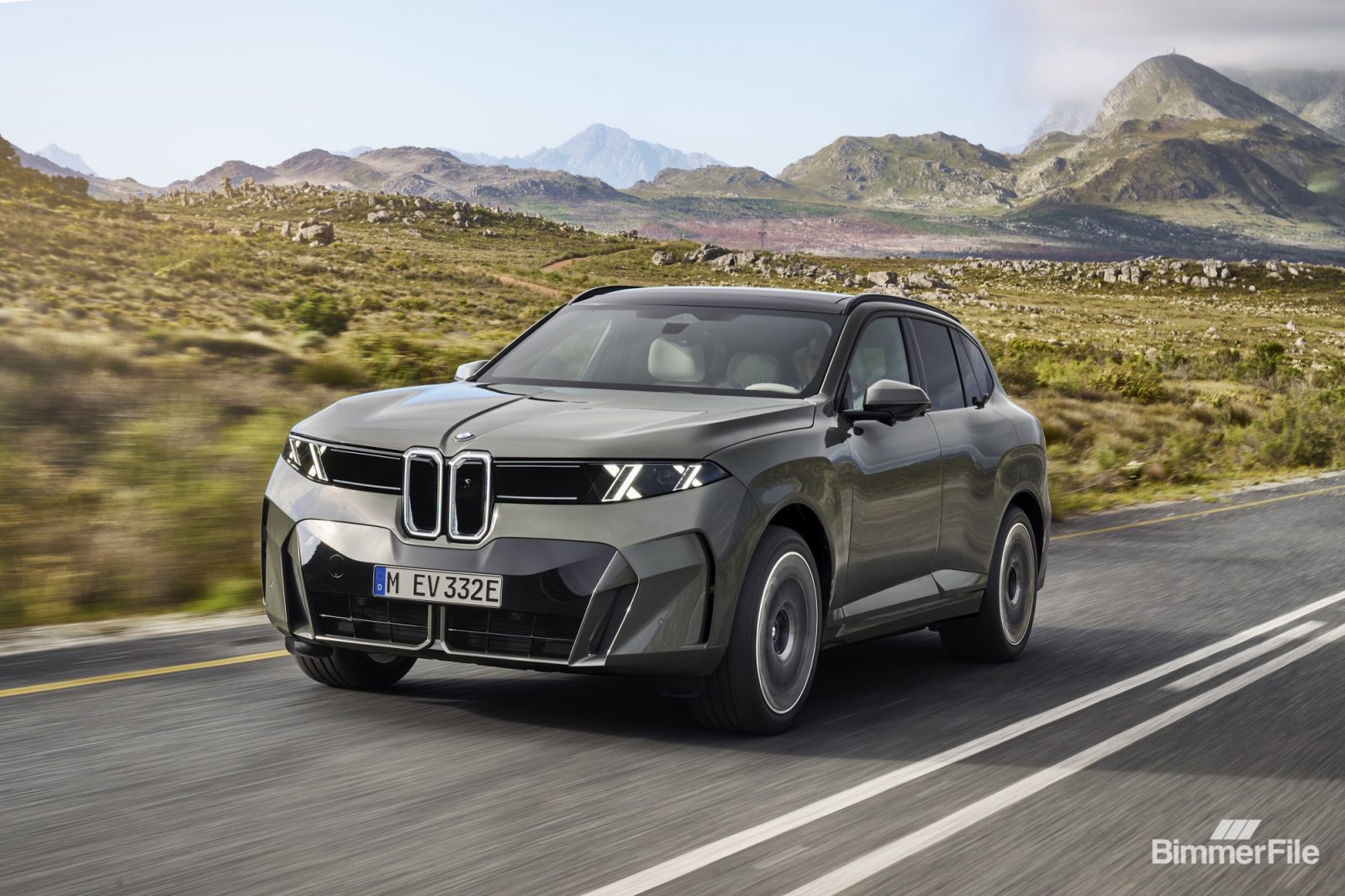
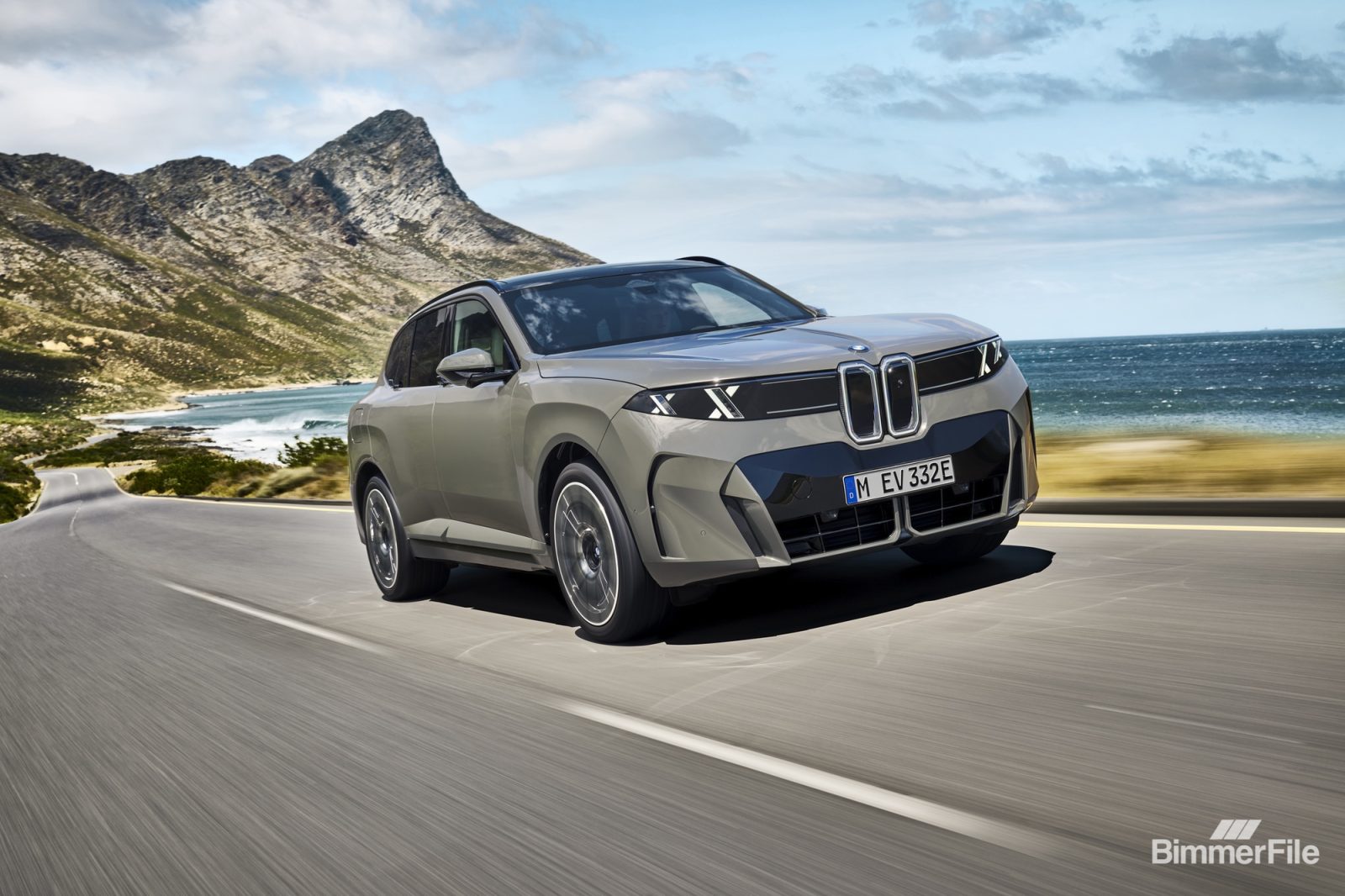
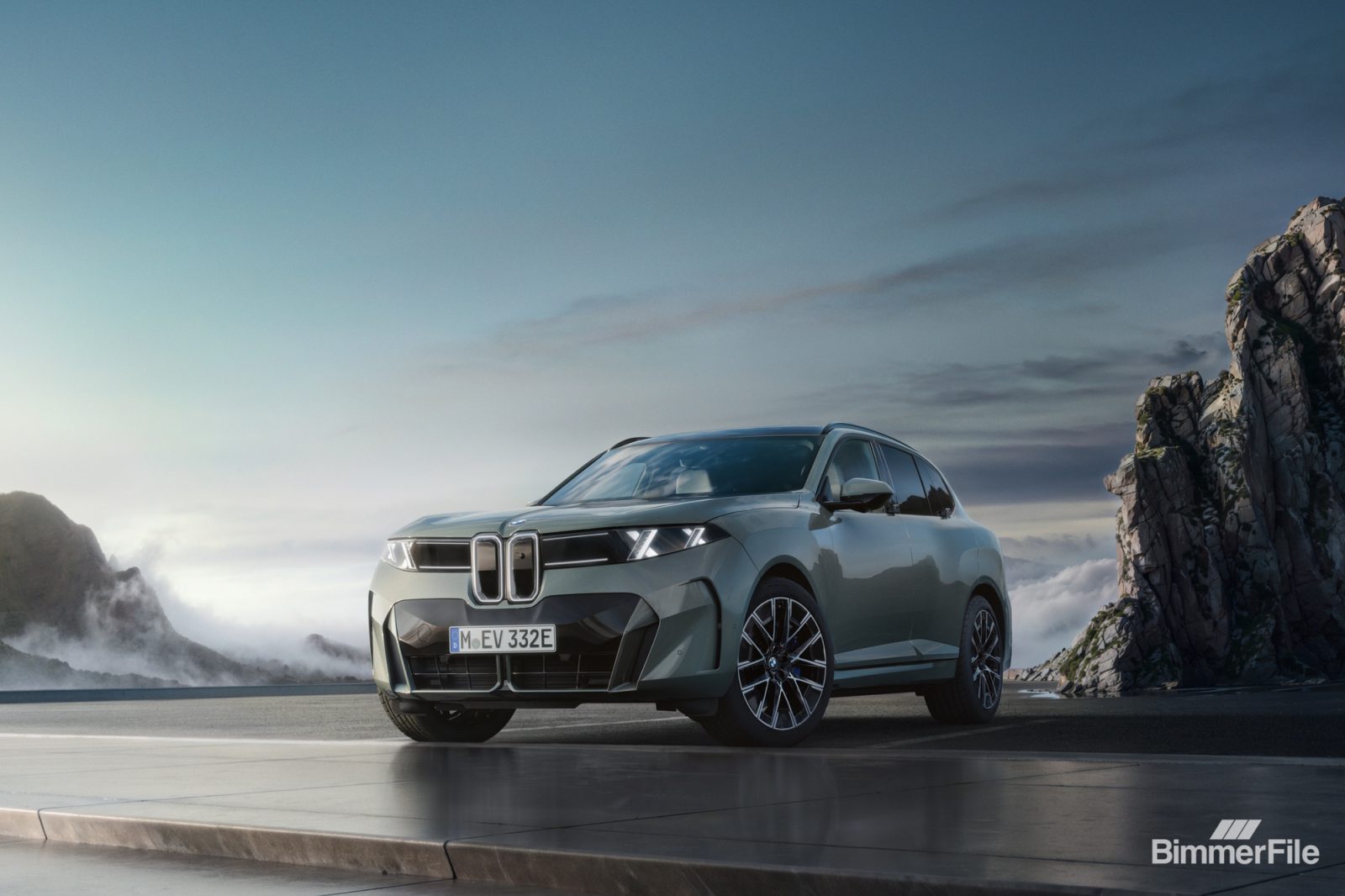
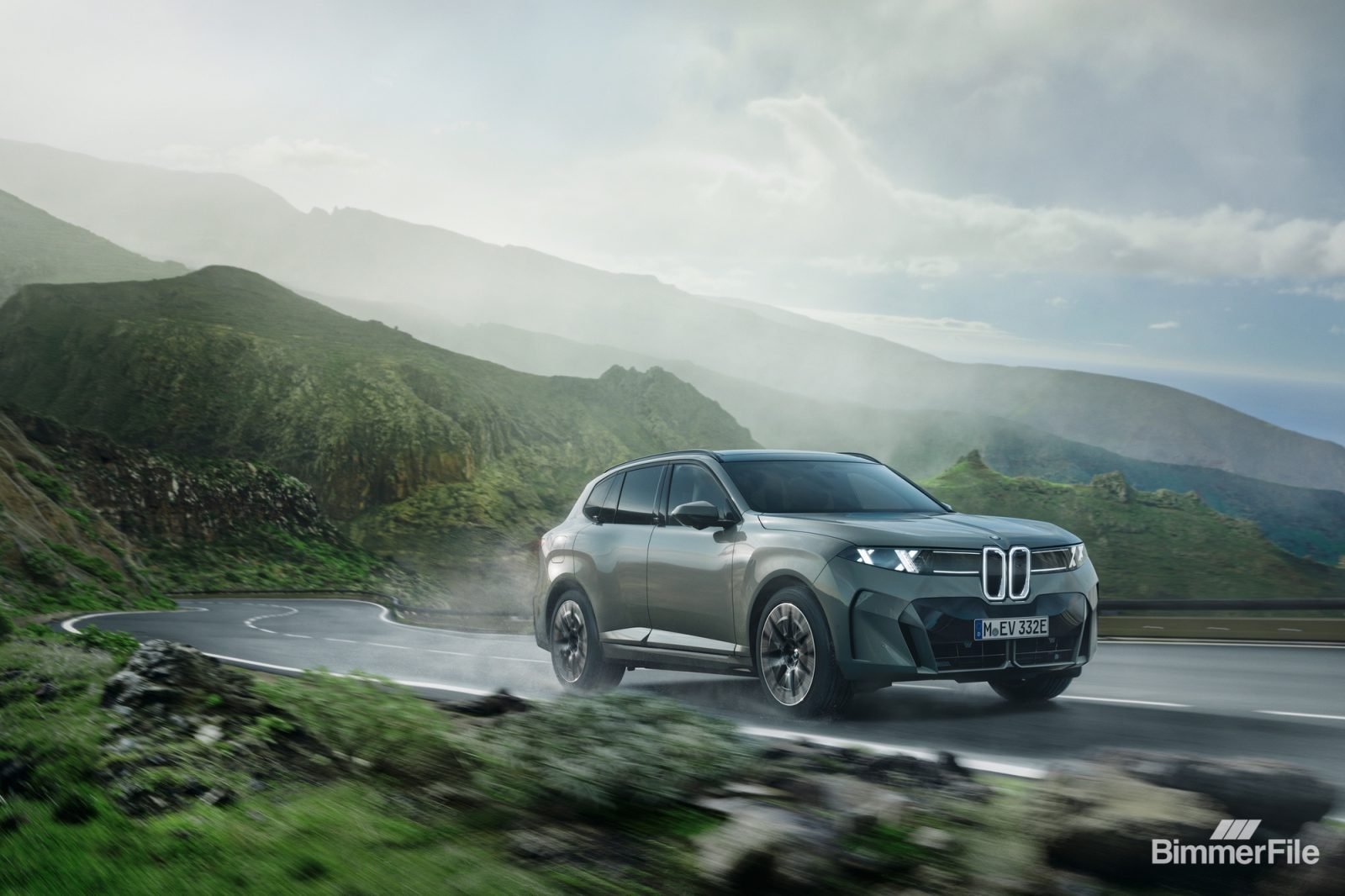
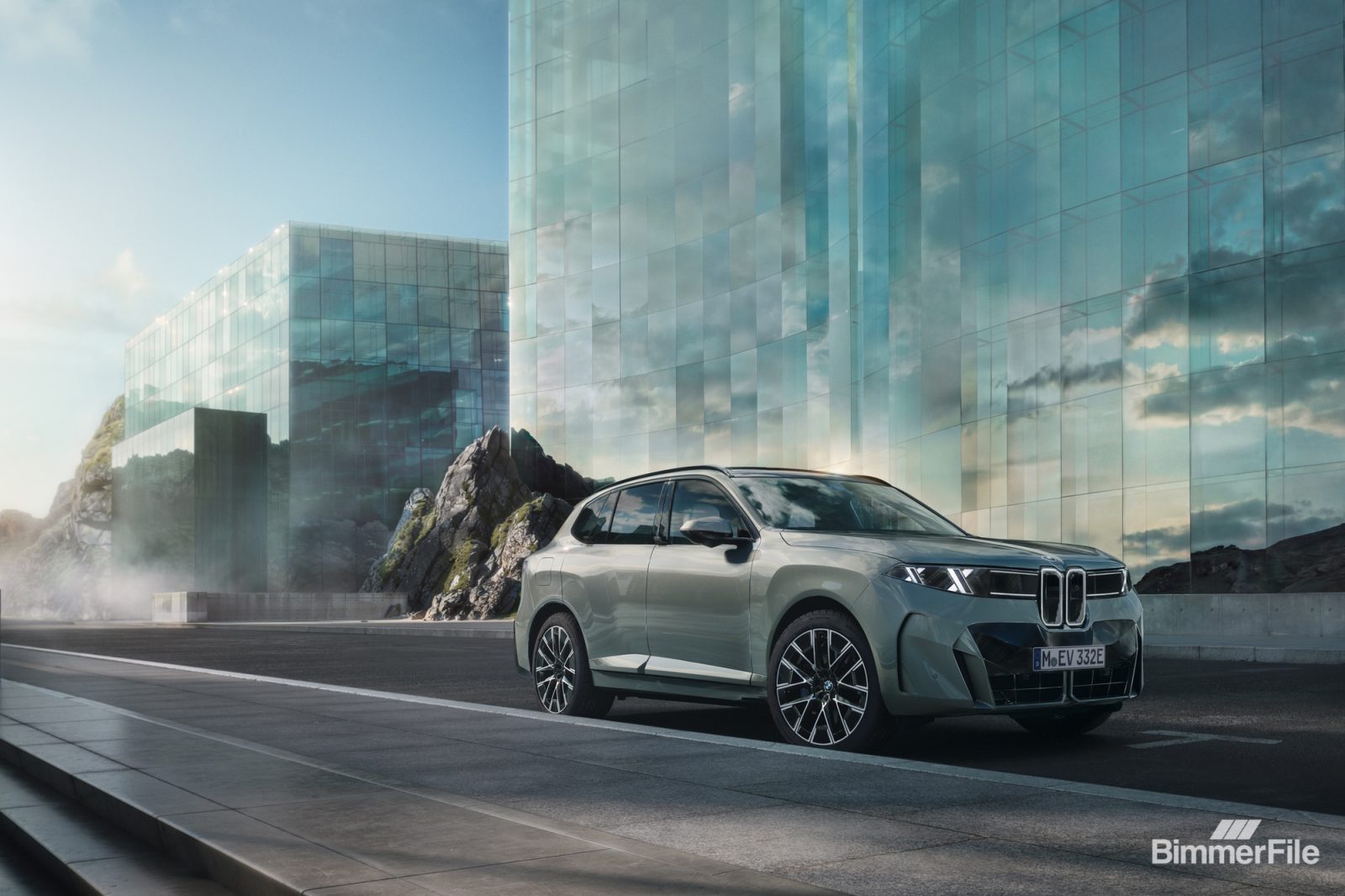
The fifth-generation X5 doesn’t arrive as a visual shock, and it doesn’t need to. What it does instead is something more interesting: it takes the Neue Klasse design language and applies it with a confidence and coherence that the early Neue Klasse vehicles, still finding their footing, haven’t fully achieved. The proportions are familiar, the stance is unmistakably X5, but the execution feels tighter and more intentional than anything BMW has produced in the current cycle.
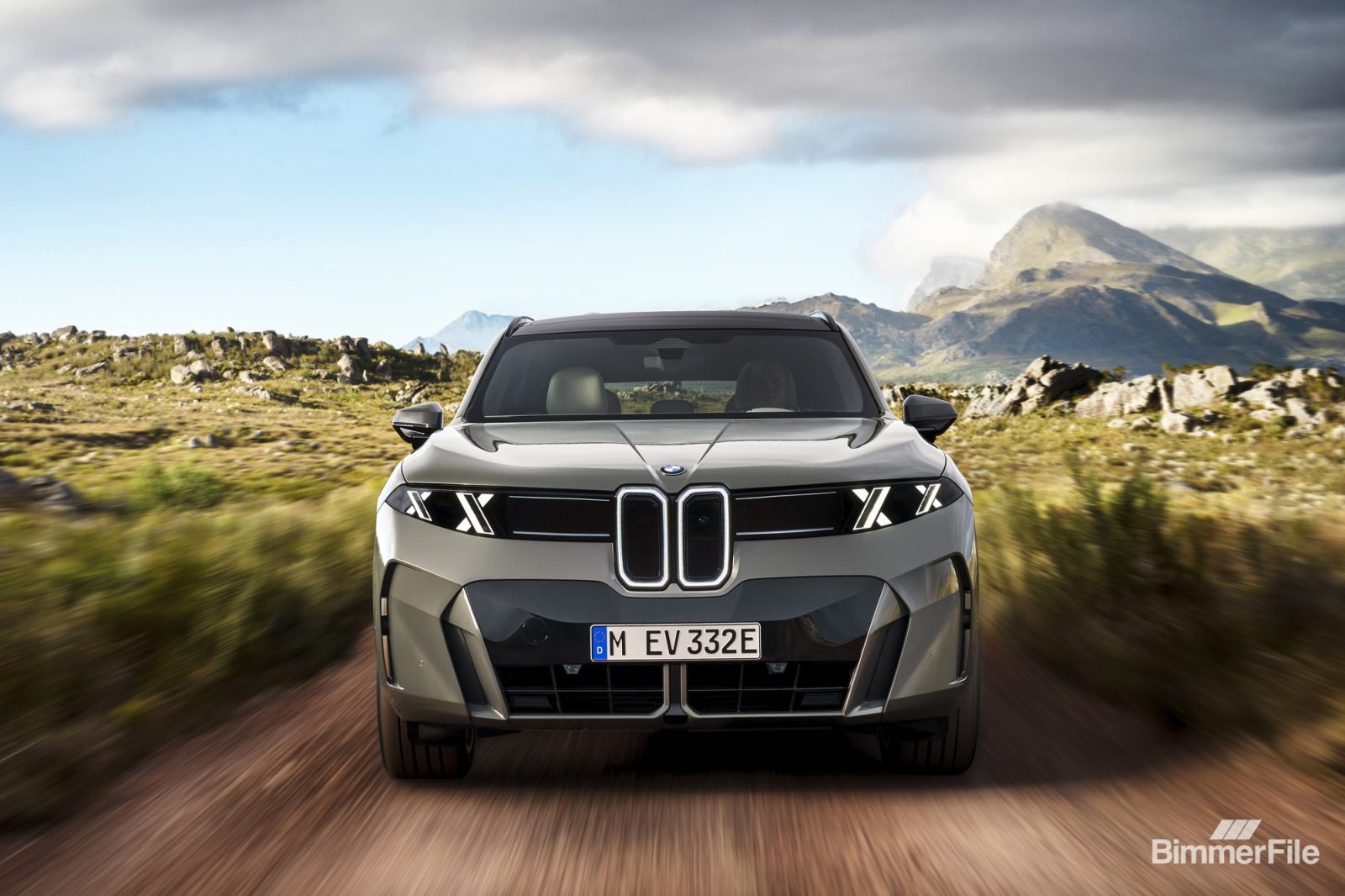
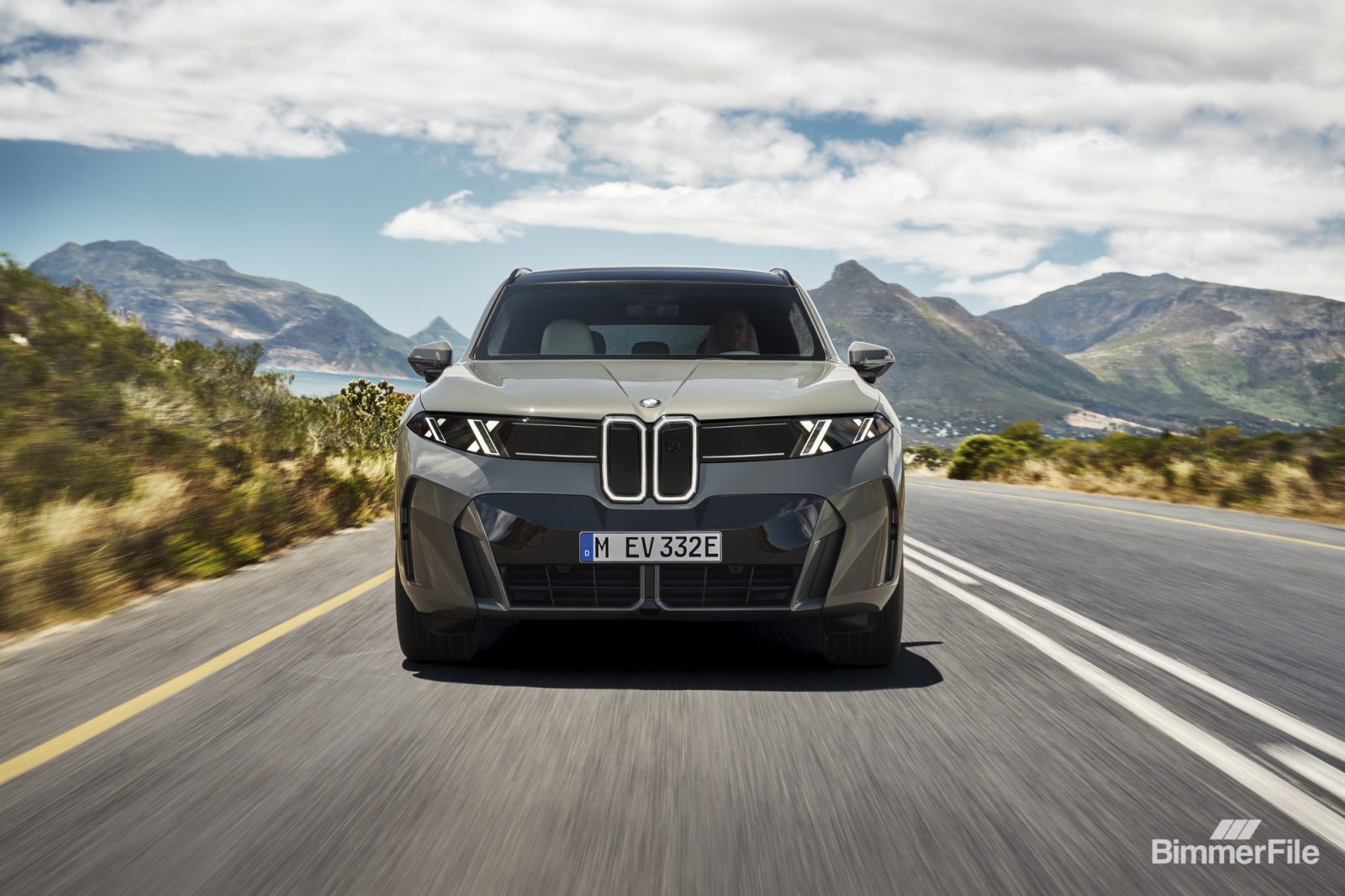
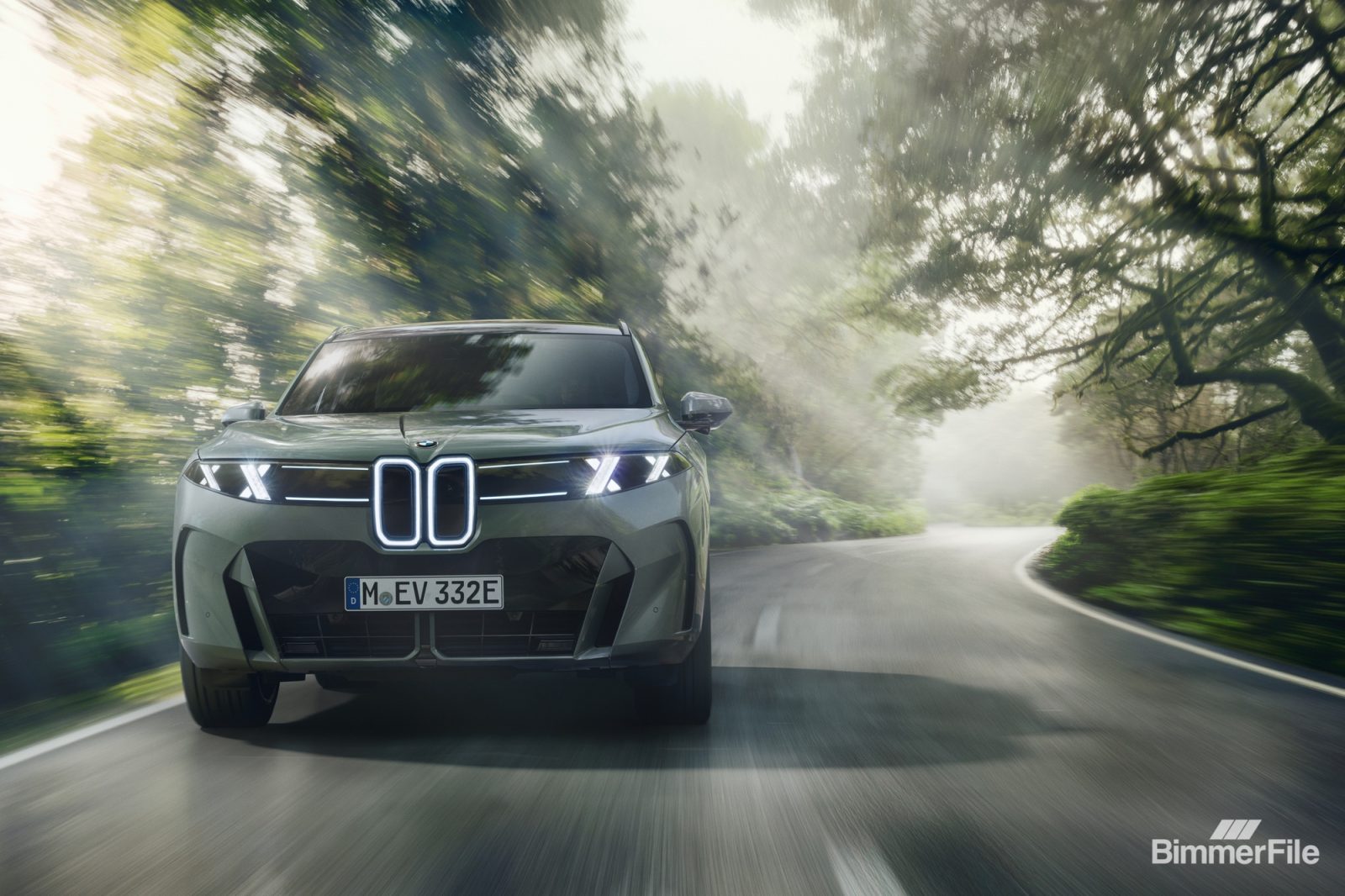
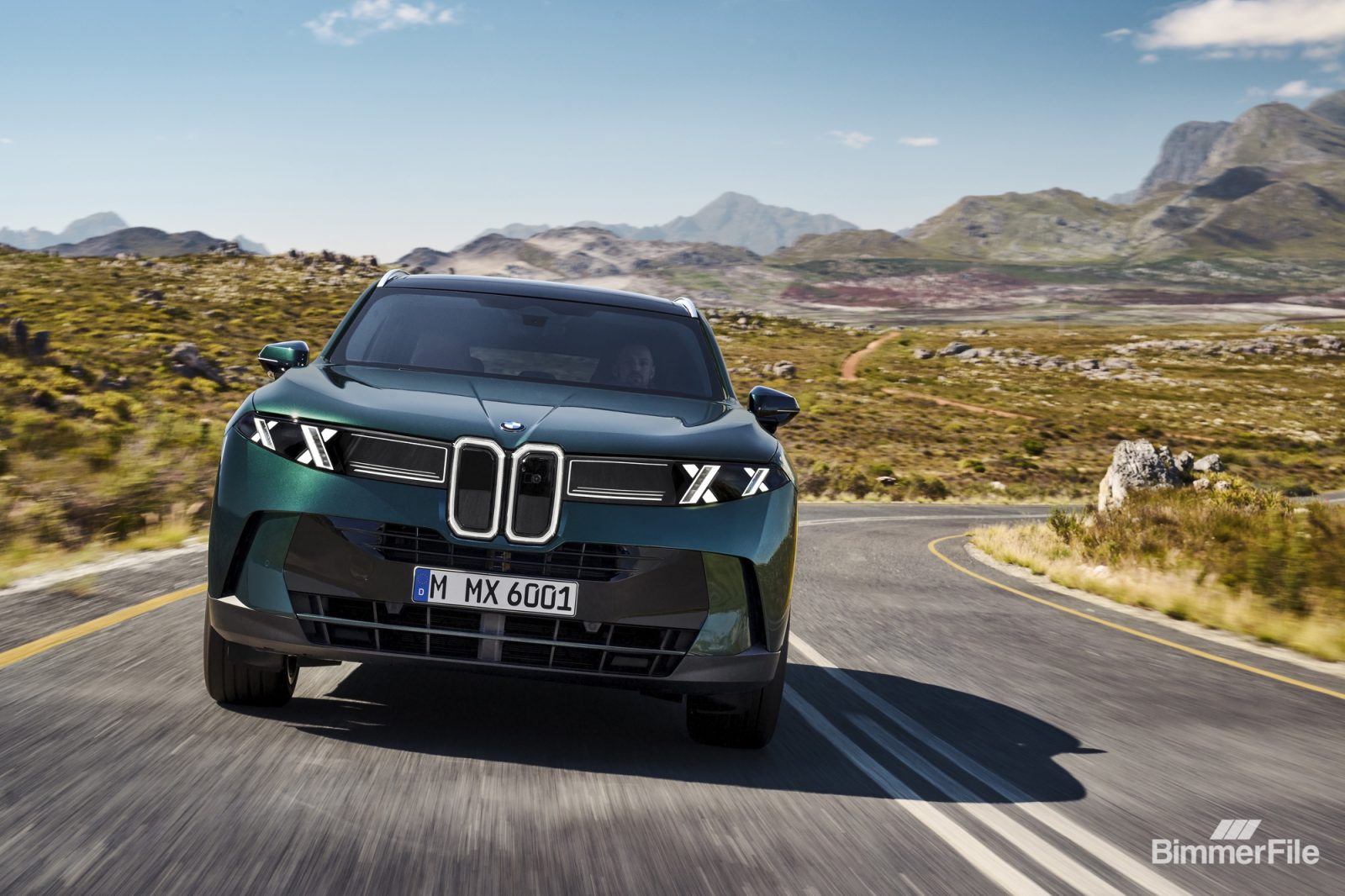
The front end is taller and more upright than the G05, anchored by the vertically oriented kidney grille with Iconic Glow, a continuously illuminated surround that operates day and night and integrates into welcome and departure light animations. The double-X light icons combine low beam, daytime running, side, and turn signal functions into a single element, eliminating a separate lens module. It’s technically tidy and visually distinctive without being theatrical. The iX5 gets a continuous front apron design in place of the combustion models’ horizontal air intakes, giving the electric variant a cleaner, more monolithic expression of the same face.
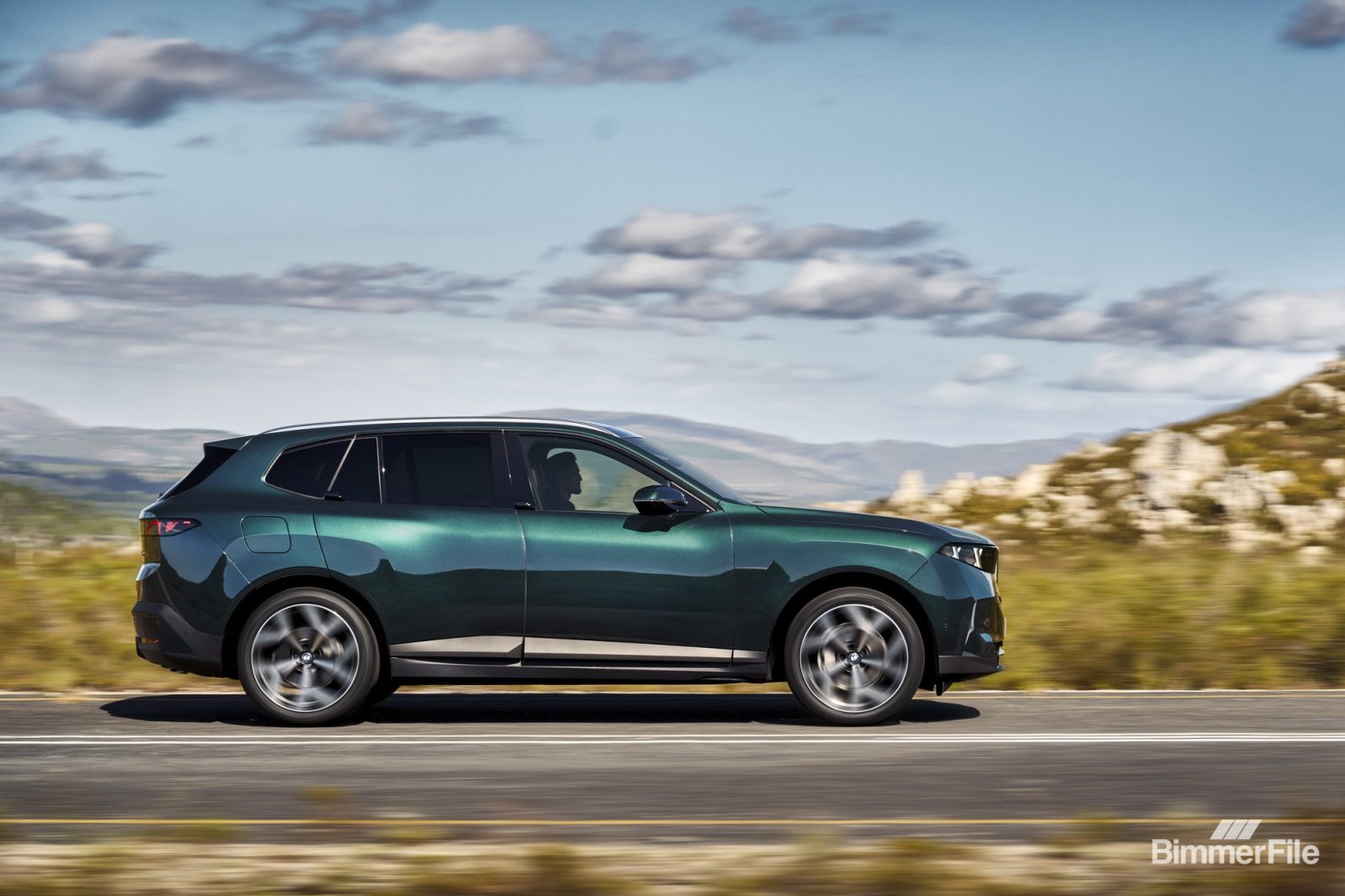
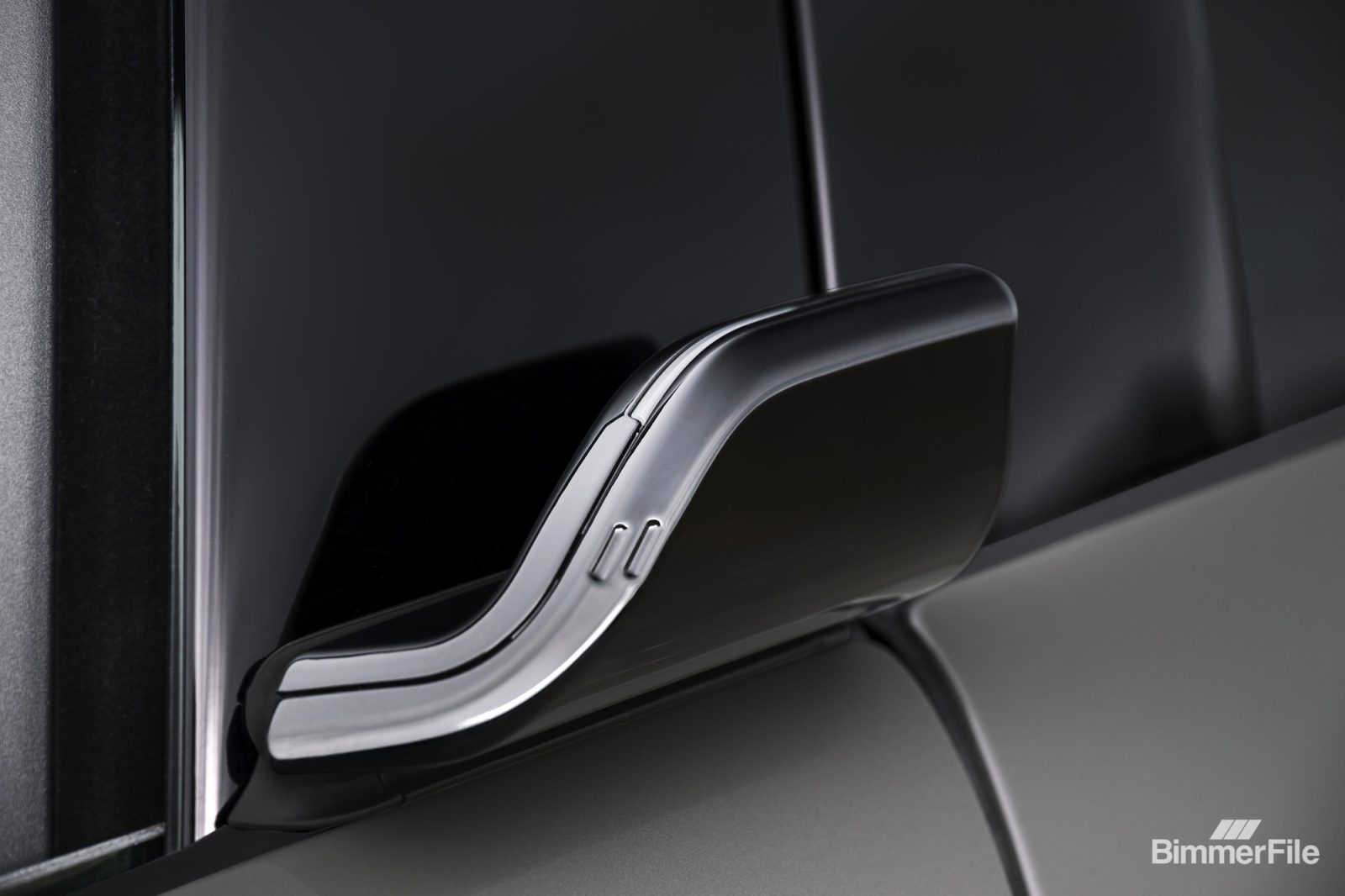
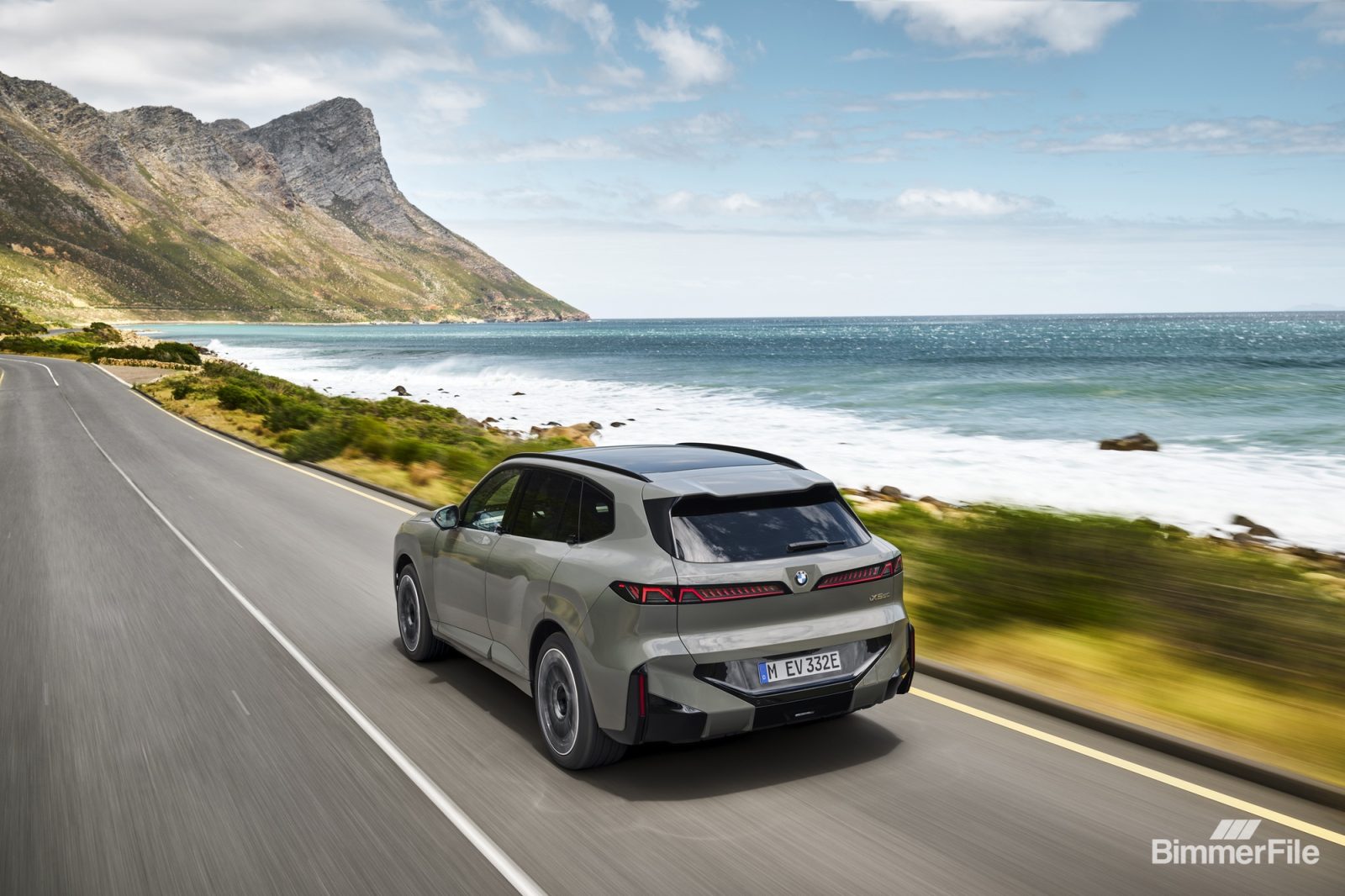
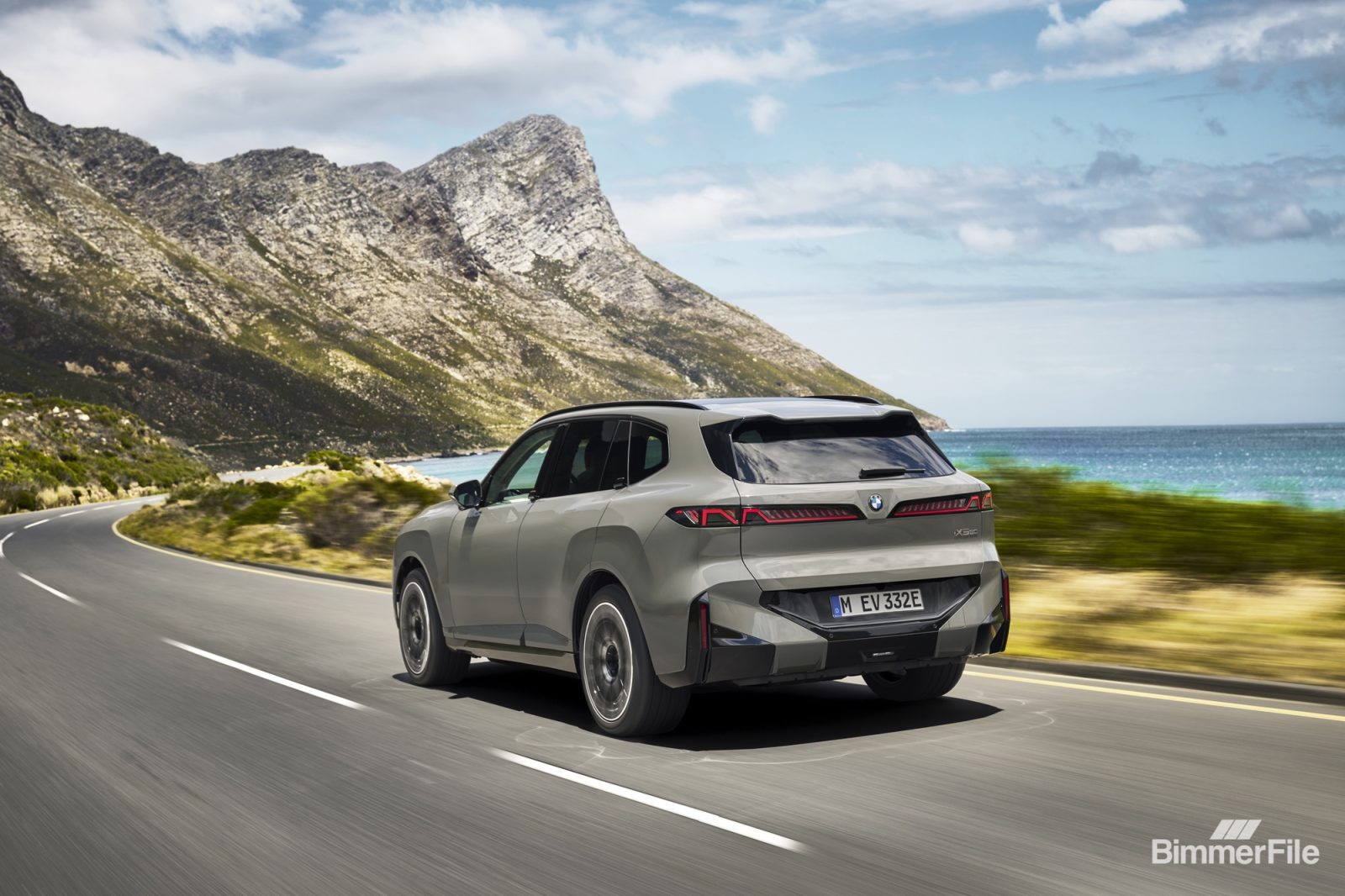
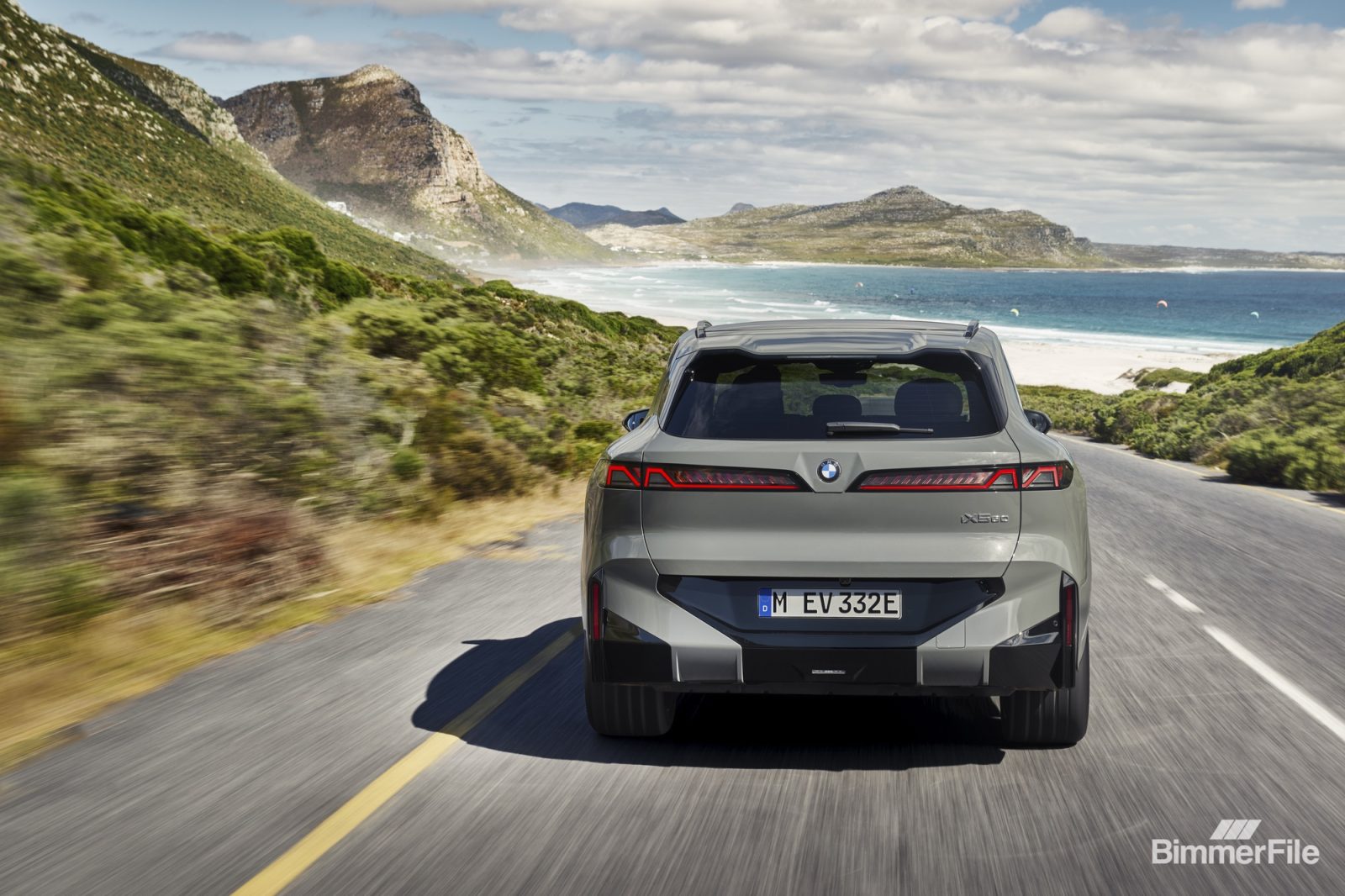
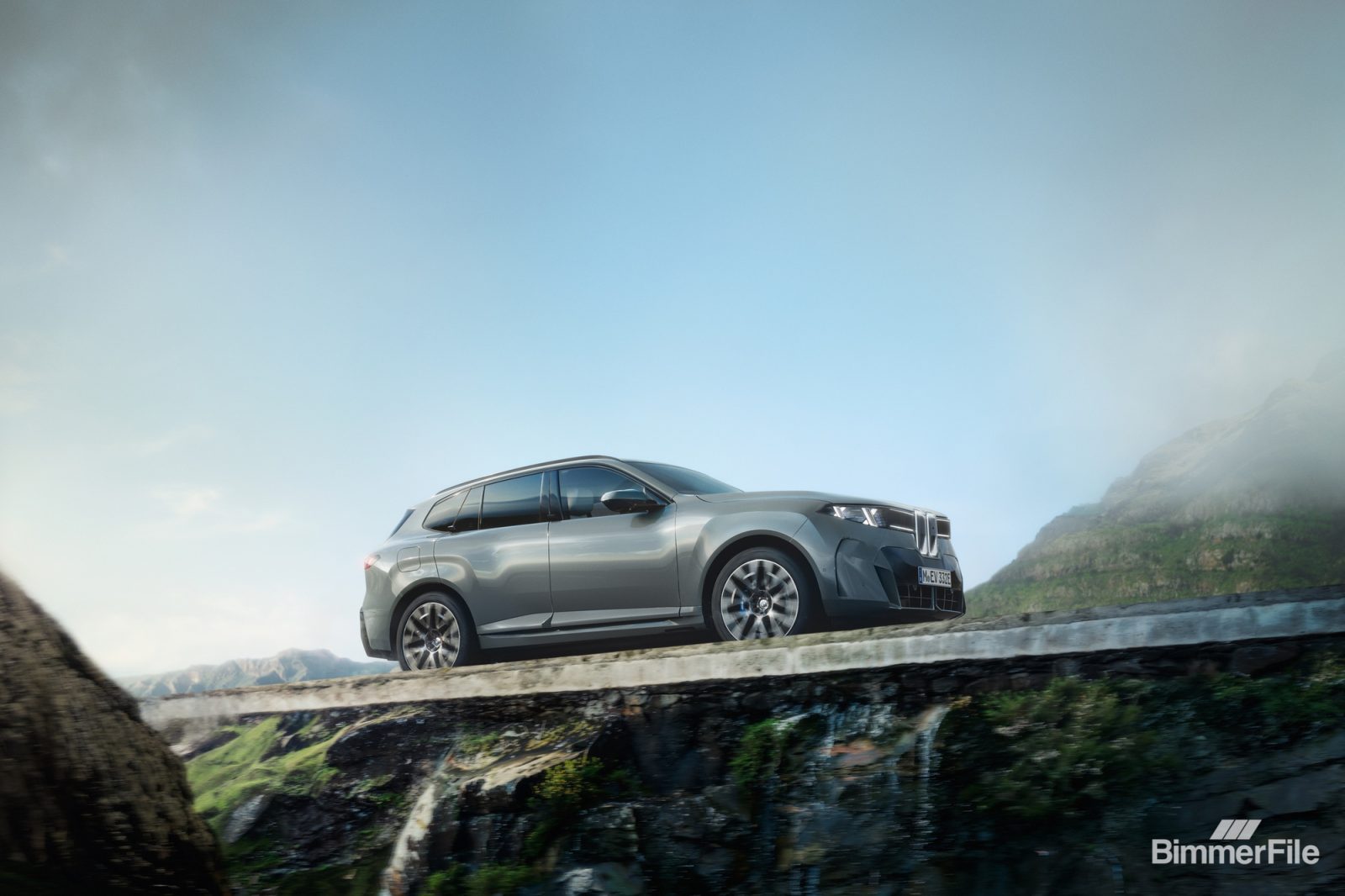
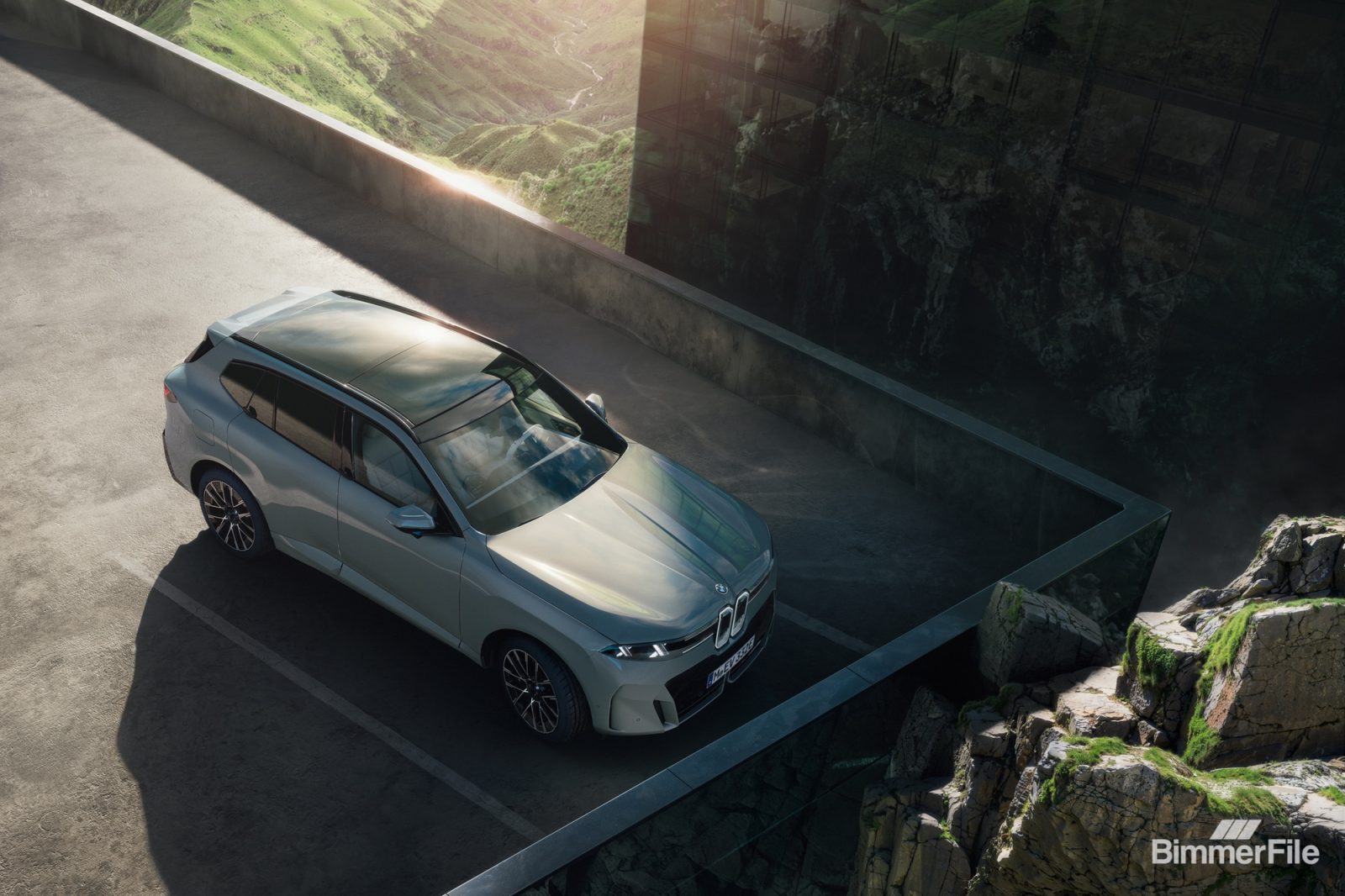
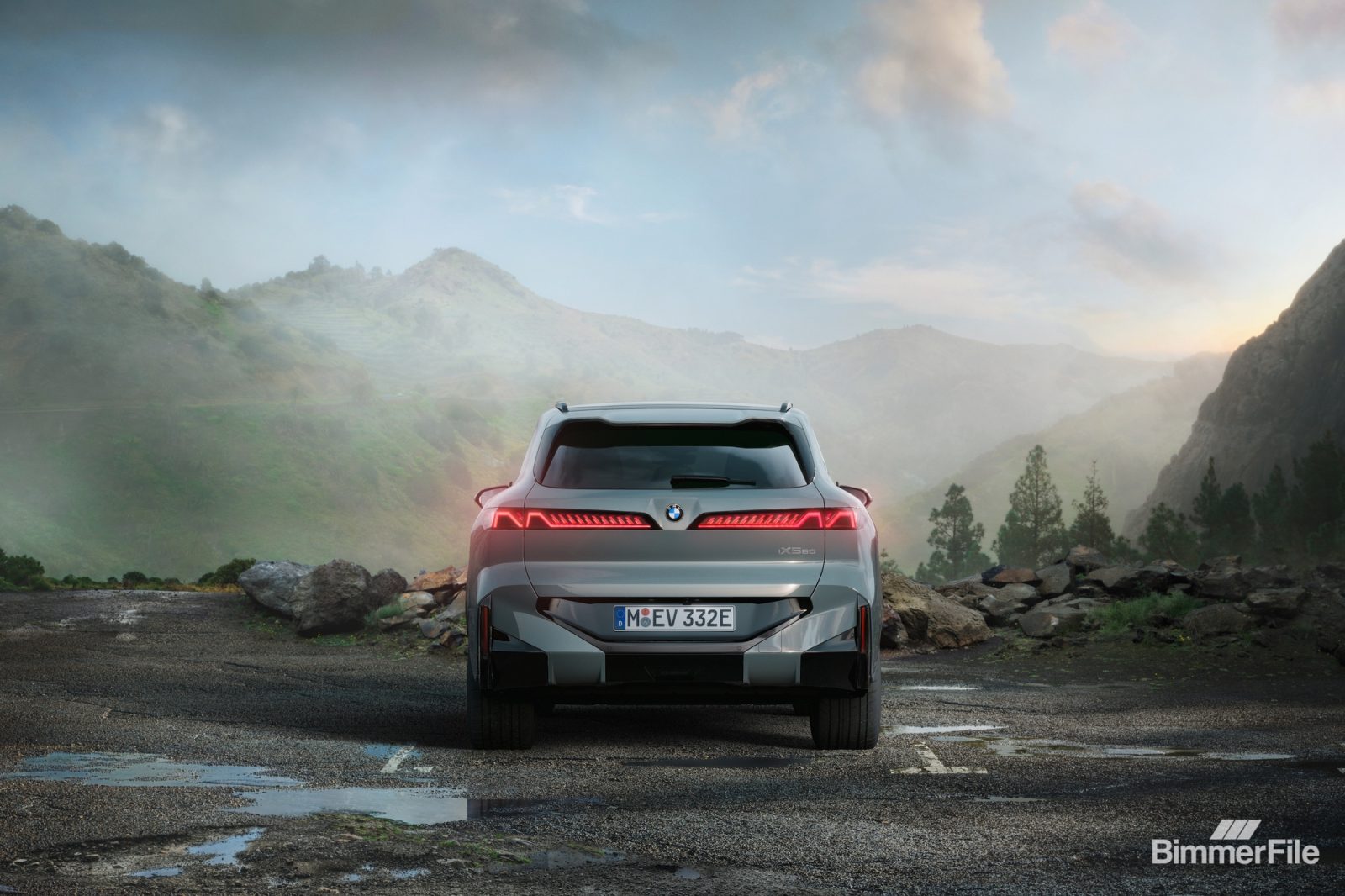
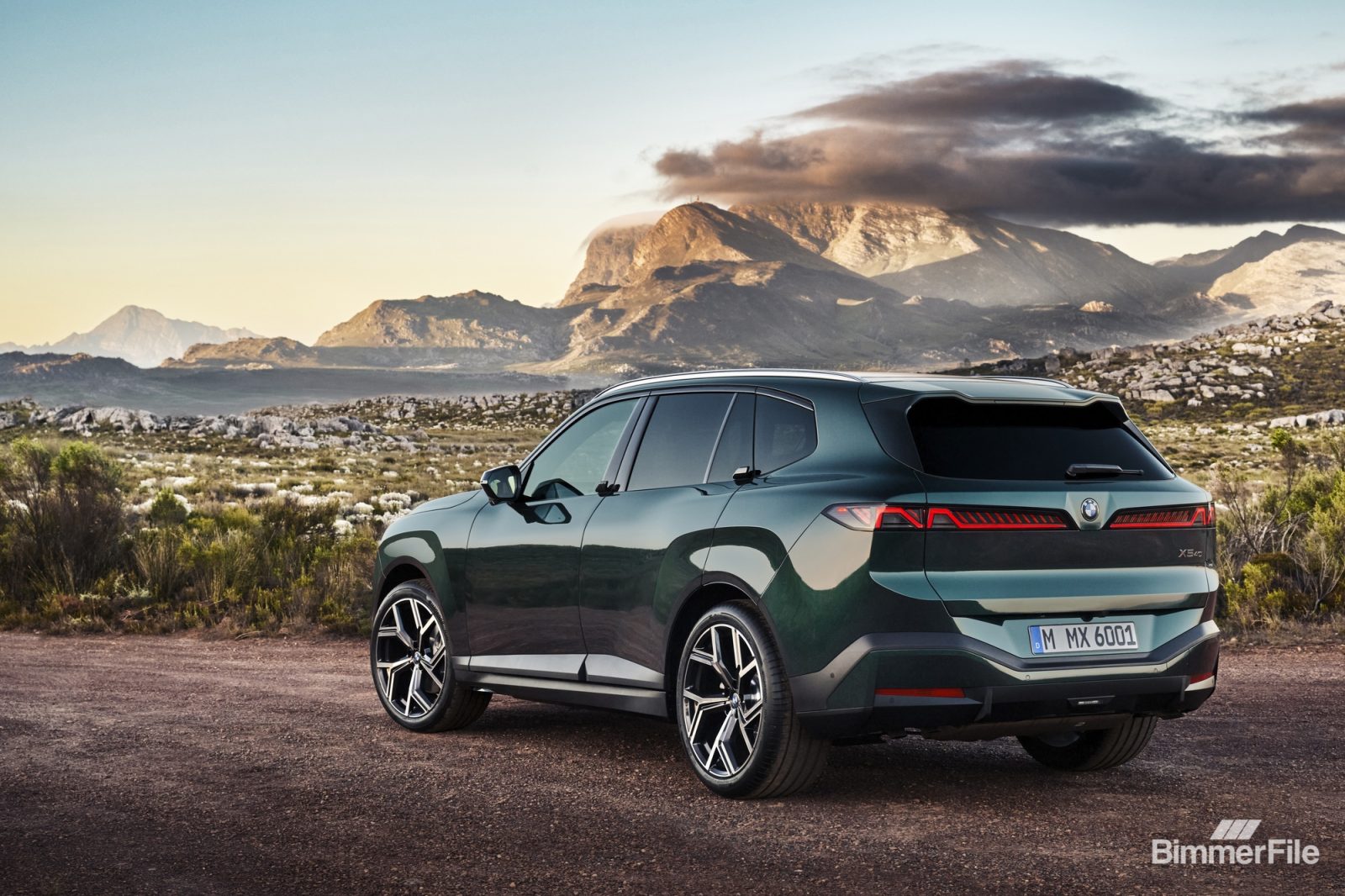
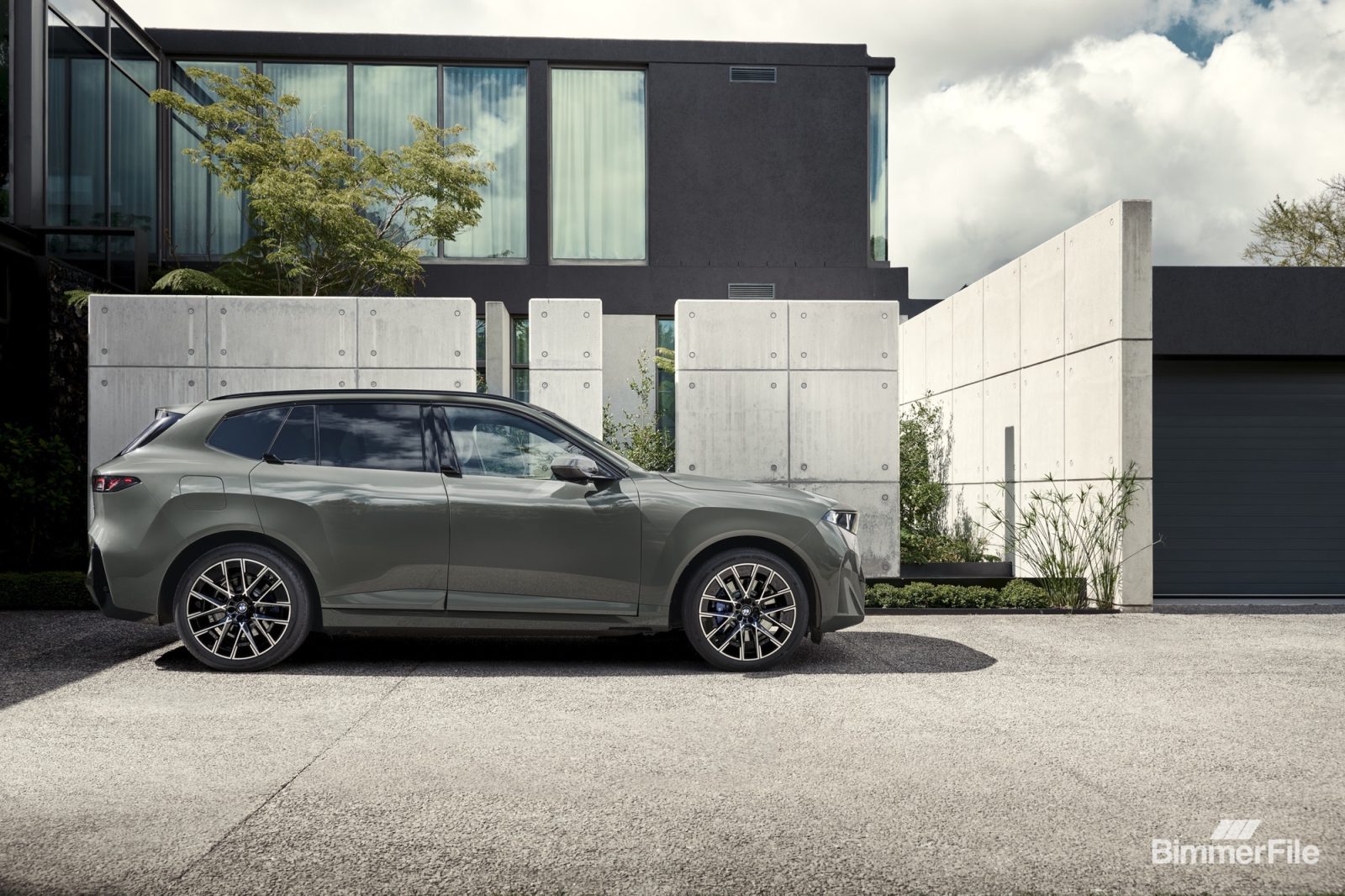
The side profile is where the resolution really shows. Flush window seals, Winglet door handles integrated into the B and C pillars rather than sitting proud of the door surface, and sharper, more geometric wheel arches give the X5 a cleaner, more sculpted read than its predecessor. The roofline slopes gently to add visual agility without compromising headroom. At the rear, slim lights stretch across nearly the full width of the vehicle, echoing the double-X theme from the front. The whole car reads as carved from fewer pieces, which is exactly what Neue Klasse exterior language is supposed to achieve. On the X5, it works.
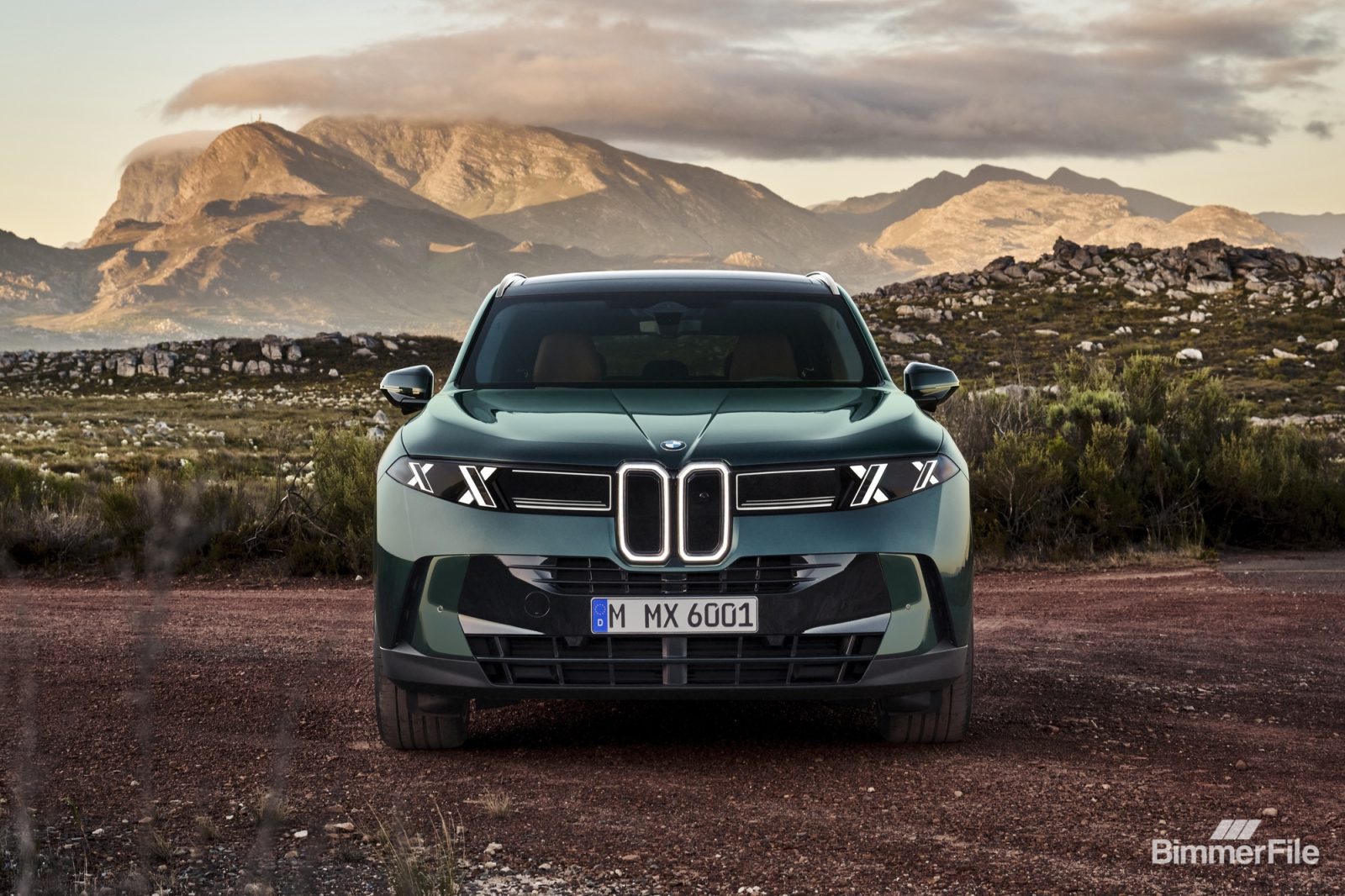
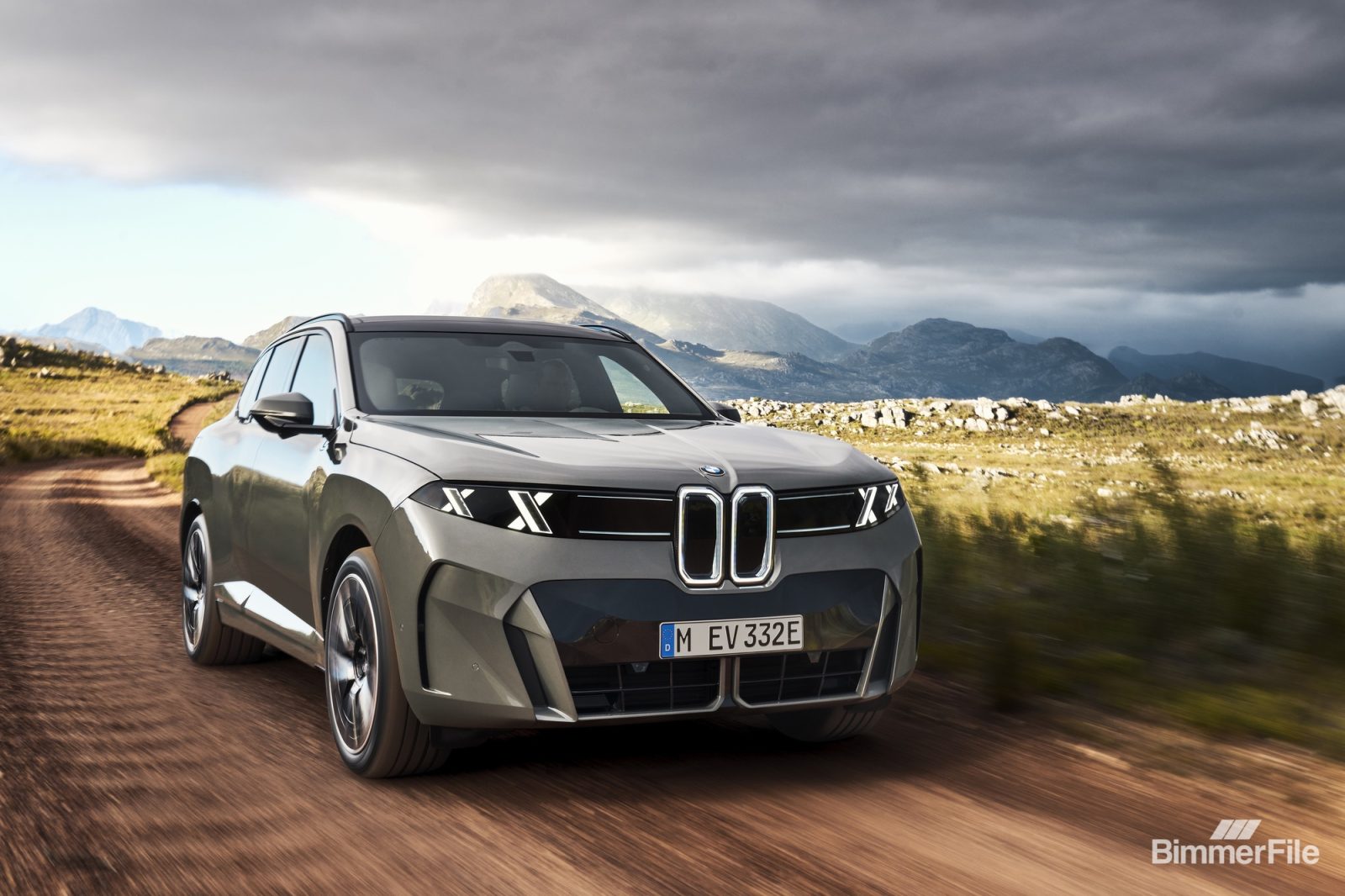
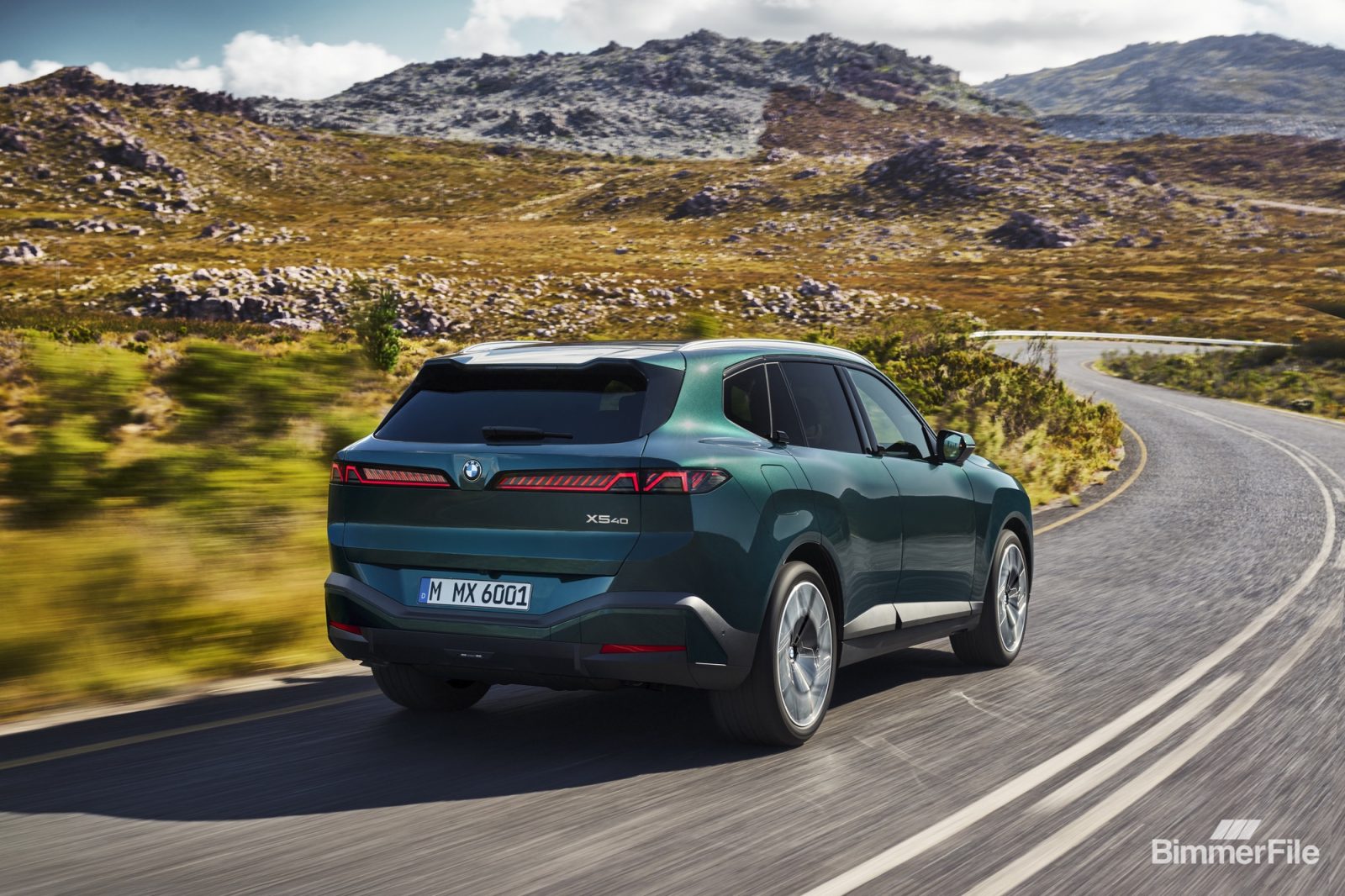
Eleven exterior colours are available, including five new to the X5: Space Silver metallic, Grey Pine metallic, Vancouver Green metallic, and, from late 2026, BMW Individual Frozen Tanzanite Blue metallic and BMW Individual Frozen Space Silver metallic. Wheels run from standard 21-inch to optional 22-inch and, for the first time on any X5, 23-inch, with ten designs available. BMW Individual paint finishes open for order in April 2027.
Optional M Sport and M Sport Professional packages add the expected visual sharpening. The M Sport Package brings Adaptive M Suspension, 21-inch M-specific wheels, M aerodynamics, and M Sport brakes with Dark Blue metallic calipers. The M Sport Professional goes further with 22-inch Trigon wheels in Jet Black, Red metallic M Sport brakes with a monochrome M logo, darker Iconic Glow M Shadowline kidney surrounds, and an M leather steering wheel with no vertical spoke and a black 12 o’clock marker.
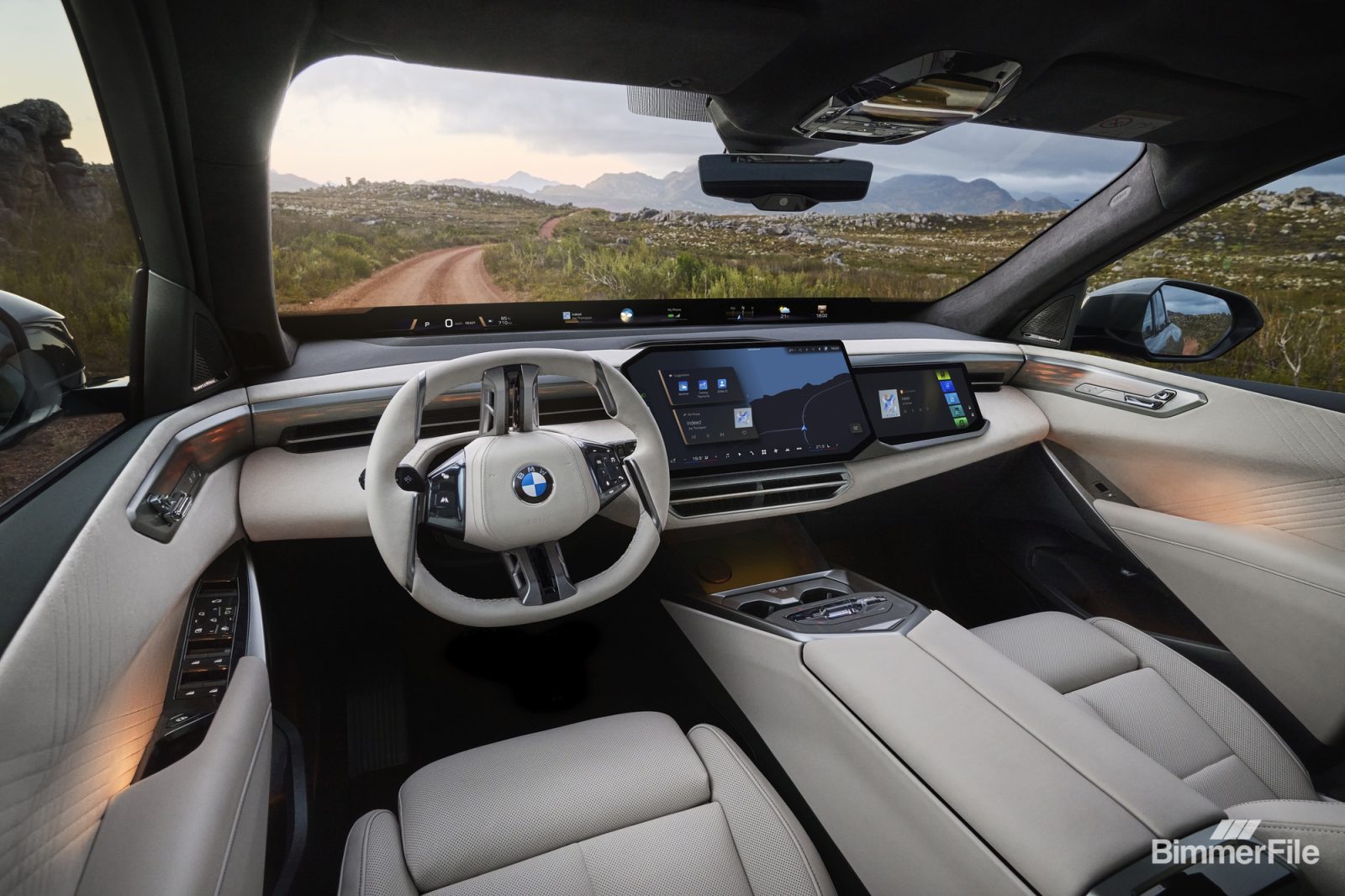
If the exterior is the most resolved Neue Klasse design BMW has produced, the interior is where that resolution becomes undeniable. BMW Panoramic iDrive, the display and operating architecture that defines the Neue Klasse era, arrives here in a vehicle that will reach far more buyers than the iX3 or the upcoming electric 3 Series ever will. The X5 is where this technology gets normalised, and it’s ready for that role.
BMW Panoramic Vision spans the full width of the lower windshield, projecting driving information on the left while the centre and right sections can be personalised and viewed by all passengers. Above it, the standard BMW 3D Head-Up Display projects navigation and driver assistance content directly into the driver’s line of sight, with the two systems coordinated to create a single, coherent visual layer. The 17.9-inch free-cut Central Display handles primary touch inputs, with widgets draggable between the two surfaces via drag and drop. The multifunction steering wheel follows a shy-tech philosophy, illuminating controls only when the corresponding function is available, with driver assistance controls on the left spoke and infotainment on the right. Up to seven BMW IDs store individual settings. The system feels designed as a whole rather than assembled from parts, which has not always been true of BMW interiors in the transition period.
The backlit accent strip wrapping door to door beneath the instrument panel integrates ambient lighting that adjusts colour and brightness to time of day, selected My Mode, or driver preference. It continues into the doors, visually expanding the cabin. My Modes include Sport, Efficient, Silent, Relaxed, Balanced, and Excited, with the last three also governing the welcome and departure light animations outside the car.
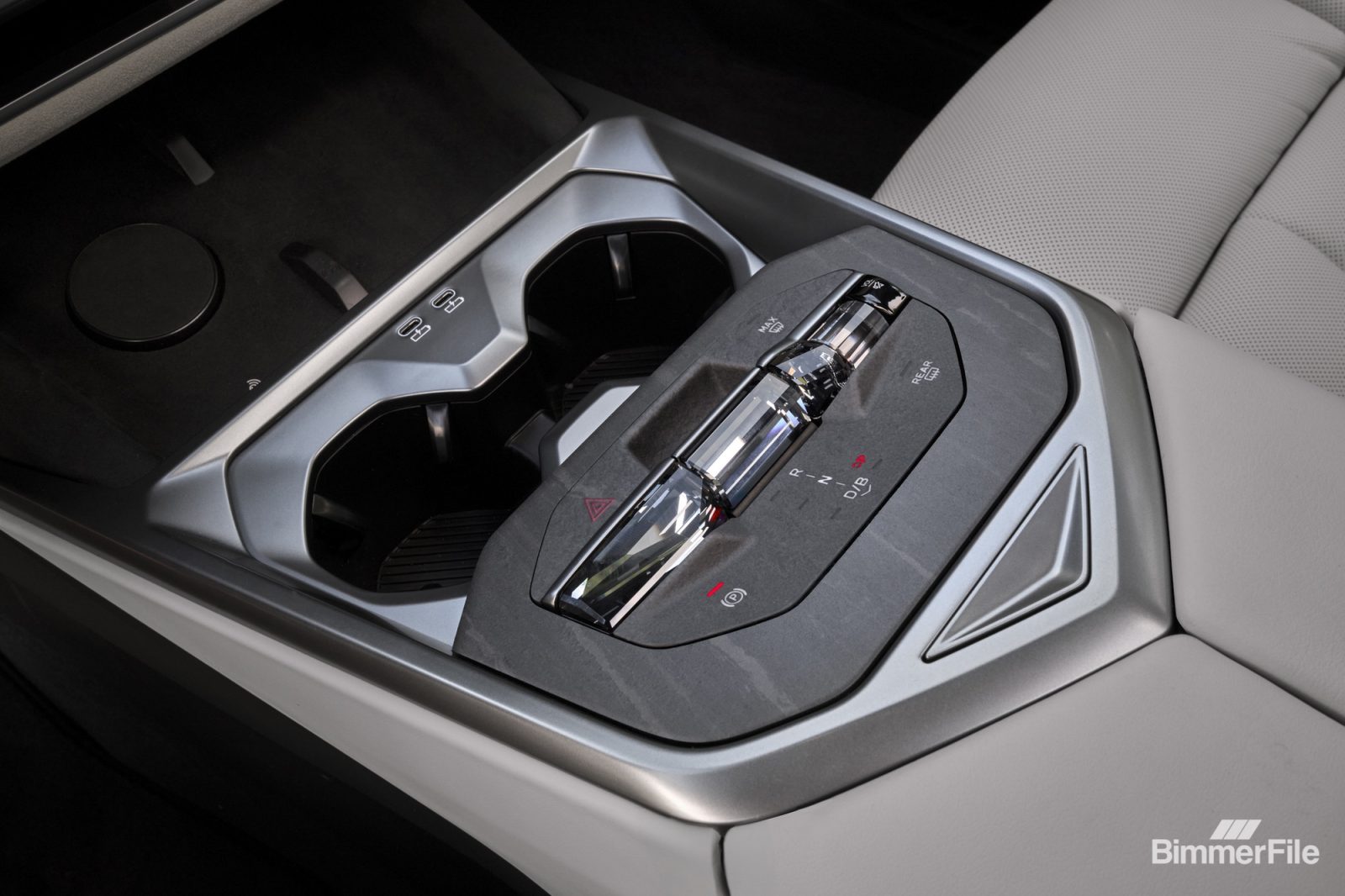
The materials match that ambition. Genuine slate makes its BMW debut as a decorative surface in the optional BMW Individual Clear and Bold package, applied to the centre console control panel with integrated touch controls for the parking brake, rear window defrost, and hazard lights. Crystal glass components handle the gear selector, volume controls, and seat adjustment in the same package. Standard Veganza upholstery comes in Black or Copper Brown. BMW Individual Merino Leather is available exclusively with multifunction seats, in Black, Adelaide Grey, Smoke White, Tartufo, and a new Vintage Coffee finish with a deliberately aged patina, paired with Alcantara on the instrument panel, door trims, and headliner.
Standard sports seats are heated, with additional cushioning in seat and backrest over the outgoing model, manual seat depth and head restraint adjustment, and lumbar support for the driver. The optional Luxury Seating or Climate packages add multifunction seats with ventilation, massage, electric depth and head restraint adjustment, and four-way lumbar support. Rear passengers benefit from a two-degree flatter torso angle and increased knee room, made possible in part by the 2.4-inch longer wheelbase compared to the G05.
The large panoramic glass sunroof covers approximately 28 square feet across two glass elements, with an opening front section. Climate control is 2.5-zone as standard, with slim vents integrated almost invisibly into the instrument panel. The optional Climate Package adds full four-zone control with a rear touchscreen, ventilated front seats, and heated rear seats, steering wheel, and armrests. The iX5 uses a dedicated heat pump climate system.
The optional passenger screen, a 14.6-inch full-HD display for the front passenger, streams video while moving with the interior camera monitoring for driver distraction and darkening the screen automatically. When no front passenger is present, it reverts to a reduced ambient mode matching the active My Mode. The 280-watt HiFi system with 12 speakers is standard; the optional Bowers and Wilkins system delivers up to 775 watts across up to 18 speakers with Dolby Atmos support.
Optional automatic doors, part of the Luxury Package, open and close with a light touch of the Winglet handle and can be operated from interior buttons, the My BMW App, or voice commands. Radar sensors in the side skirts, front end, and rear manage obstacle detection. Soft Close is standard across the range.
BMW Digital Key Plus uses ultra-wideband and Bluetooth to turn compatible smartphones and smartwatches into vehicle keys, with shareable digital keys assignable by role and permission through a messaging app.
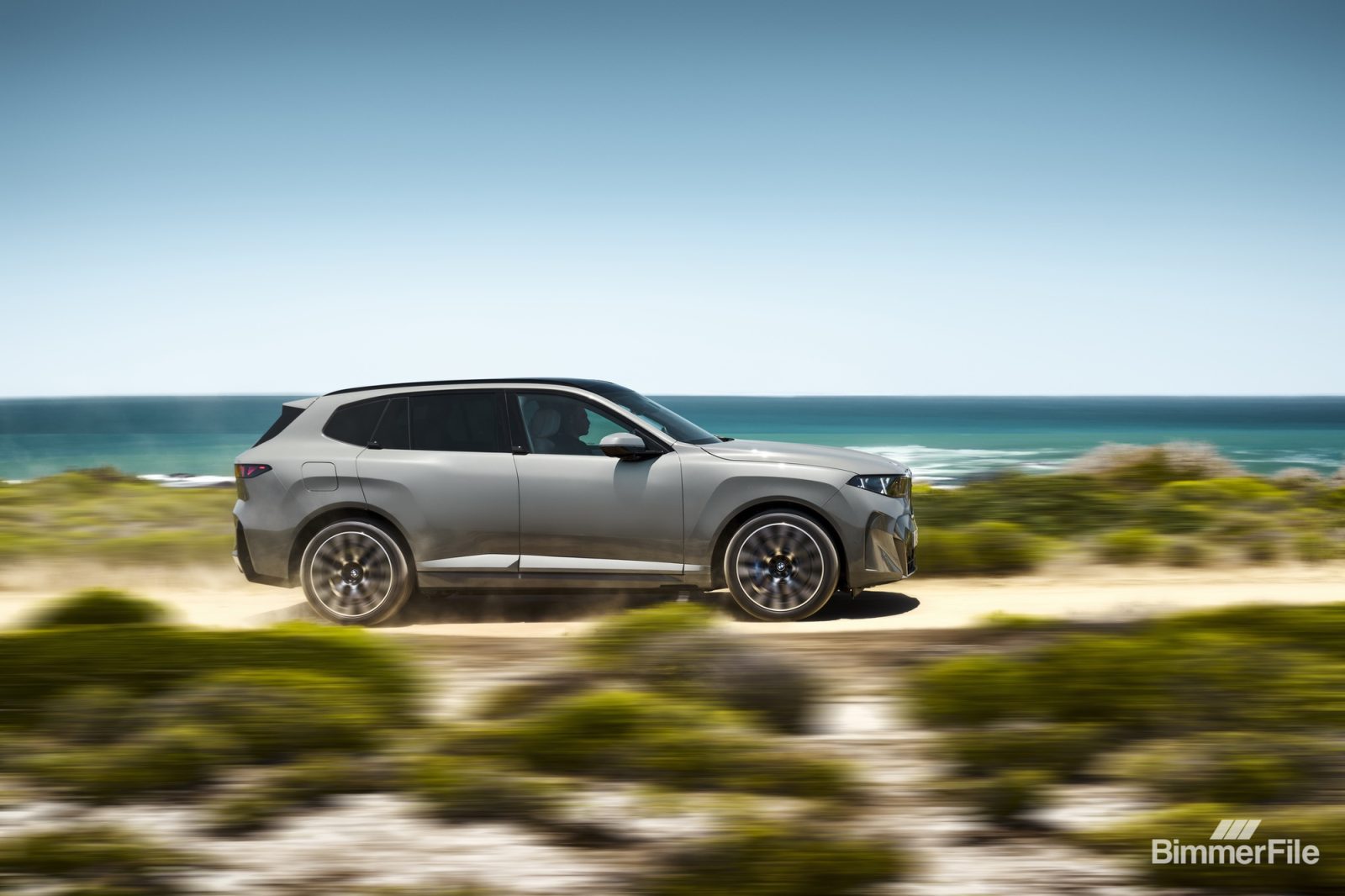
The 2027 X5 offers more drivetrain configurations than any previous BMW model, and the breadth is genuine rather than cosmetic. Each variant represents a meaningfully different proposition.
The X5 40 and 40 xDrive use an updated B58 inline-six producing 394 hp and 428 lb-ft of torque, up 19 hp and 45 lb-ft from the outgoing engine. A new turbocharger, Miller cycle combustion with shortened intake-valve opening times, optimised intake ports and combustion chambers, electric VANOS variable camshaft timing, an exhaust manifold integrated into the cylinder head, and a dual injection system combining high-pressure and low-pressure supply all contribute to both the performance and efficiency gains. Switchable exhaust-side rocker arms can interrupt gas exchange on overrun, reducing drag torque by around two thirds and recovering more braking energy through the 48V mild hybrid system. The starter generator integrated into the eight-speed Steptronic Sport transmission provides up to 17 hp of electric boost and 148 lb-ft of additional torque for sharper pull-away and acceleration response. Energy is stored in a 48V battery beneath the luggage compartment. Zero to 60 takes 5.1 seconds (4.8 with the one-foot rollout measurement), and top speed is electronically limited to 155 mph when properly equipped. The rear-wheel-drive X5 40 is also available for buyers who prefer it.
The X5 50e xDrive pairs the straight-six, producing 308 hp in this application, with a 194 hp synchronous electric motor integrated with the power electronics inside the eight-speed Steptronic, requiring no additional installation space. The fifth-generation high-voltage battery carries 26.5 kWh of usable energy. System output is 483 hp and 516 lb-ft of torque. Zero to 60 takes 4.6 seconds, top speed is limited to 155 mph, and pure electric operation is possible up to 87 mph. Estimated all-electric range is 44 miles, up roughly 15 percent from the outgoing model. AC charging is standard.
The iX5 60 xDrive is the genuinely new thing here, and the most significant BMW electric vehicle since the original i3 proved the concept was possible. Sixth-generation BMW eDrive technology arrives with 800V architecture and a cell-to-pack battery design using new 120mm cylindrical cells, 46mm in diameter, integrated directly without modules or structural intermediaries. The increased cell height raises usable energy by almost 30 percent over the 95mm cells used in the iX3. Total net usable energy is 144 kWh.
One electrically excited synchronous motor at the rear produces 325 hp and 369 lb-ft; an asynchronous motor at the front adds 245 hp and 225 lb-ft. Combined output is 570 hp and 593 lb-ft. The EESM’s magnetic field adjusts to the driving situation, reducing losses at light loads and enabling strong fields under high load, managed by a dedicated inverter. The ASM creates no drag loss when de-energised and can switch off at reduced loads to allow rear-axle-only operation for efficiency. The Energy Master, a new in-house BMW development, houses the high-voltage battery electronics and manages power supply, battery data, and thermal management from a position directly on the battery.
Zero to 60 takes an estimated 4.4 seconds, top speed is electronically limited to 130 mph, and estimated range is 435 miles based on BMW AG testing following EPA procedures. DC charging peaks at 460 kW, with 10 to 80 percent taking 22 minutes and an estimated 170 miles of range added in 10 minutes. AC charging runs at up to 15.4 kW as standard. Battery preparation automatically conditions the battery before DC charging when BMW Maps is navigating to a charging station, and can also be activated manually. Bidirectional charging covers vehicle-to-load, vehicle-to-home, and vehicle-to-vehicle applications.
A V8-powered M Performance variant follows later in 2027. The iX5 Hydrogen, BMW’s first hydrogen fuel-cell production vehicle, arrives further ahead and will pair all-electric driving with rapid refuelling.
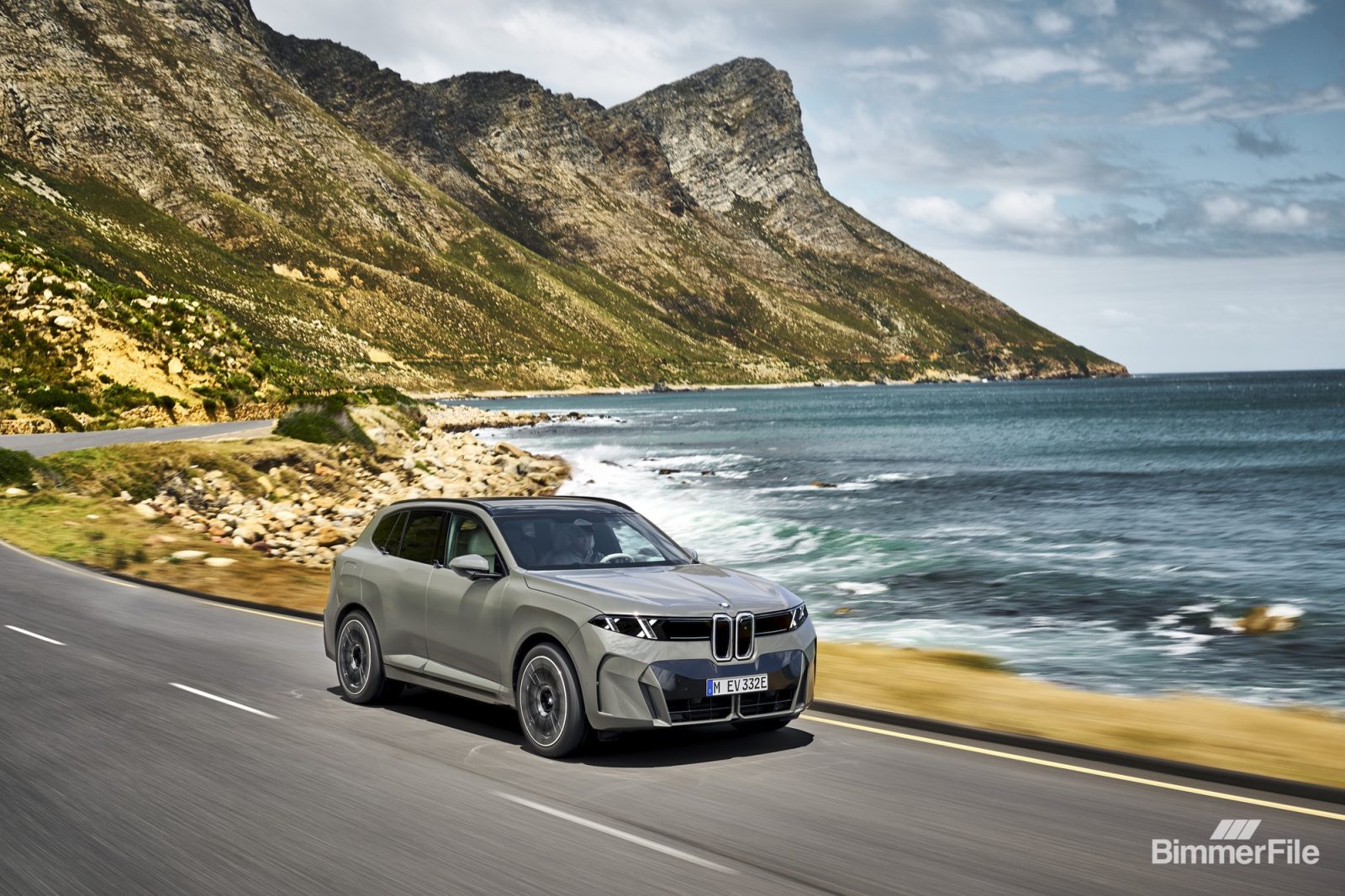
BMW has comprehensively revised the chassis for the fifth generation, and the changes go well beyond the expected incremental refinement. Increased track width, additional body stiffness, standard mixed-size tyres (255mm front, 285mm rear on standard 21-inch wheels), and new acoustically decoupled steering with a revised steering gear underpin what BMW is describing as a meaningful improvement in both precision and long-distance comfort.
Standard adaptive suspension uses electronically controlled dampers at each individual wheel, continuously adjusting across a range from comfort to dynamic. Weight distribution is close to 50:50. The optional adaptive two-axle air suspension adds automatic self-levelling, with three ride height settings: the Auto setting lowers the car by 10mm above 87 mph and a further 10mm above 124 mph or in Sport modes; High raises it 20mm for ground clearance; Low drops it 40mm when parked for easier loading and entry. The lowering function can now be selected while moving, with the car dropping automatically when it comes to a stop.
Combustion and plug-in hybrid models use tenth-generation Lateral Dynamics Management with near-actuator wheel slip limitation. The iX5 goes further with the Heart of Joy, BMW’s in-house Dynamic Performance Control system that operates up to ten times faster than previous generation hardware, adjusting drive, brakes, steering, charging, and recuperation simultaneously in milliseconds. In everyday driving with assistance active, BMW Soft Stop uses precise motor control to bring the iX5 to a standstill without jerking or brake noise, with conventional brakes reserved for enthusiastic or emergency use.
The optional Adaptive Chassis Control Professional, available on the iX5 and 50e xDrive, adds active roll stabilisation using a 48V electric motor at each axle centre, with active anti-roll bars providing fast, precise compensation of lateral forces. The system also improves straight-line comfort by decoupling the fixed connection between each axle’s wheels, allowing a softer air spring setting and reducing the lateral head movements caused by single-side surface irregularities.
Integral Active Steering is available as an option and steers the rear wheels by up to 3.2 degrees, in the opposite direction to the fronts at low speeds for a turning circle reduction of approximately 2.5 feet, and in the same direction at higher speeds for improved lane-change stability. The iX5 can also deploy rear-wheel steering to help stabilise a trailer under Enhanced Trailer Stability Control, which is new for this generation and adds a meaningful capability for buyers who tow.
Driver assistance is led by standard Driving Assistant Plus, which handles speed, distance, and lane-centring functions with speed adjustment for detected limits, corners, roundabouts, and turns. The optional Highway Assistant enables hands-free driving on suitable limited-access highways at up to 85 mph, with Active Lane Change using eye activation: a glance toward the relevant exterior mirror confirms the driver’s intent, and the car signals and changes lanes when safe. Standard active safety features include Lane Keeping Assistant, Active Blind Spot Detection, Side Collision Protection, Crossing Traffic Warning with Brake Intervention, and Emergency Brake Assistant with Evasion Assistant, which now also responds to wildlife. Exit warning can delay door opening when a cyclist is approaching.
Optional Parking Assistant Plus adds AI-supported space detection and 360-degree surround views with curb, 3D, and car wash perspectives. Manoeuvre Assistant records and repeats recurring manoeuvres up to 600 feet. The Professional version adds Remote Control Parking from up to 15 feet via the My BMW App.
The X5 40 xDrive starts at $72,100. The rear-wheel-drive X5 40 sits below that. The 50e xDrive opens at $77,500. The iX5 60 xDrive begins at $79,800, plus a $1,450 destination charge on every variant. BMW is making margin here, as it always has, in the segment it created in 1999.
The market launch begins in October with the combustion X5 40 xDrive, with the rear-drive 40, the PHEV, and the iX5 following in Q1 2027. BMW is pacing the sequence deliberately, keeping news distributed across the model cycle rather than front-loading the launch and leaving the tail without momentum.
What the fifth-generation X5 gets right, beyond any individual feature, is coherence. The exterior, the interior, the technology stack, and the chassis all feel like they were designed toward the same idea rather than negotiated into coexistence. That hasn’t always been true of the X5, and it hasn’t always been true of BMW’s recent products more broadly. The Neue Klasse language, applied here at volume and at scale, finally feels settled.
The question that always follows the X5 is whether the driving experience still carries enough BMW character to justify the premium over an equally accomplished Audi Q7 or Mercedes GLE. The chassis revisions, Heart of Joy dynamic system, and Integral Active Steering all suggest BMW is asking that question internally. The answer arrives on the road. But on the evidence of what’s been revealed, this is the most confident X5 in a long time, and the most important BMW of 2026.