//M Models 1 Series 2 Series 3 Series 4 Series 5 Series 6 Series 7 Series 8 Series BMW Models BMW X5 BMW X6 BMW X7 i3 i4 i5 i8 iX X1 X2 X3
Every BMW Model Code Explained: E, F, G, U, and Neue Klasse
 by
by 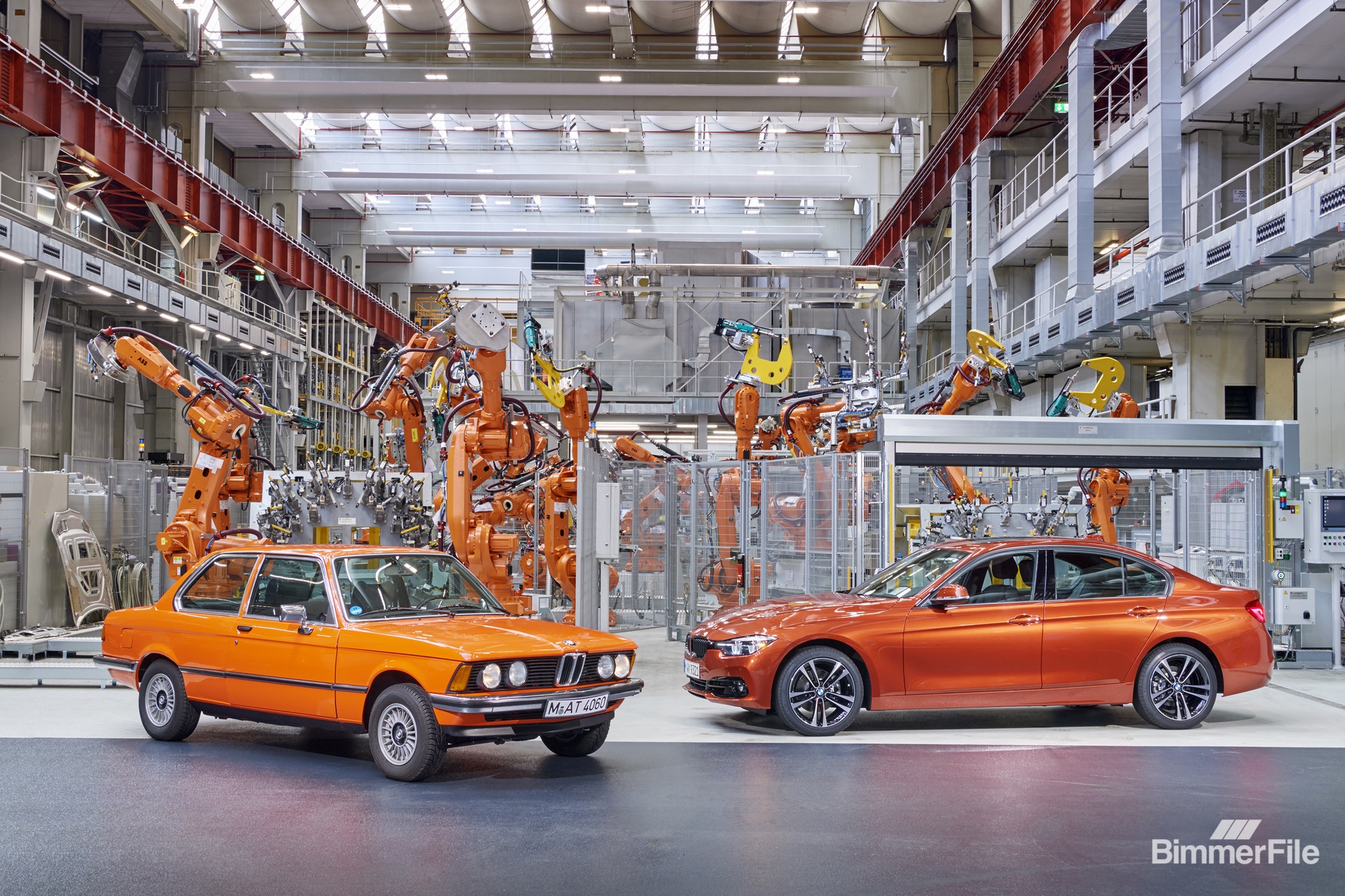

Every BMW built in the modern era carries an internal development code. For engineers these codes organise product planning across simultaneous programmes spanning a decade. For everyone else they’ve become the most reliable shorthand for knowing exactly what you’re looking at: which generation, which platform, which engineering philosophy, and in the Neue Klasse era, which powertrain architecture sits underneath.
The codes matter more now than at any point in BMW’s history. For the first time the brand is running two fundamentally different architectures in parallel, CLAR for combustion and PHEV products, Neue Klasse for its EV future, with both carrying BMW badges and in some cases near-identical styling. Knowing which code a car carries tells you which world it lives in. That distinction will only become more consequential as the decade progresses.
This is the complete reference, from the E21 through the Neue Klasse family currently entering production. For the platform strategy behind why BMW is running two architectures simultaneously into the early 2030s, our dual-platform analysis covers the full picture.
The E prefix derives from Entwicklung, the German word for development. BMW began using it systematically in the 1960s and ran it through to approximately 2013, by which point the F series had already been running in parallel for several years. The F series brought turbocharged engines across the entire range, a dramatic proliferation of body styles, and BMW’s first serious EVs. G codes represent the current generation for most of the lineup. U codes appeared in 2022 for the UKL-platform X1 and X2. From 2025 onward, the Neue Klasse introduces N-prefix codes tied to platform architecture rather than sequential numbering.
That last shift is the one worth understanding in detail. The N prefix indicates Neue Klasse underpinnings. The second letter indicates architecture type: A for RWD-biased models (3 Series, X3 segment), B for FWD-biased smaller models (1 Series, X1 segment), D for larger RWD flagships. Performance M cars on the Neue Klasse platform replace the leading N with Z while keeping the remaining letters identical, so the ZA0 electric M3 sits on the same architecture as the NA0 i3, just with four motors instead of one or two.
The CLAR platform, which underpins the majority of current G-series cars, will continue for ICE and PHEV models well into the 2030s. These two architectures coexist, which is why G-code and N-code cars will share BMW showrooms for the better part of a decade.
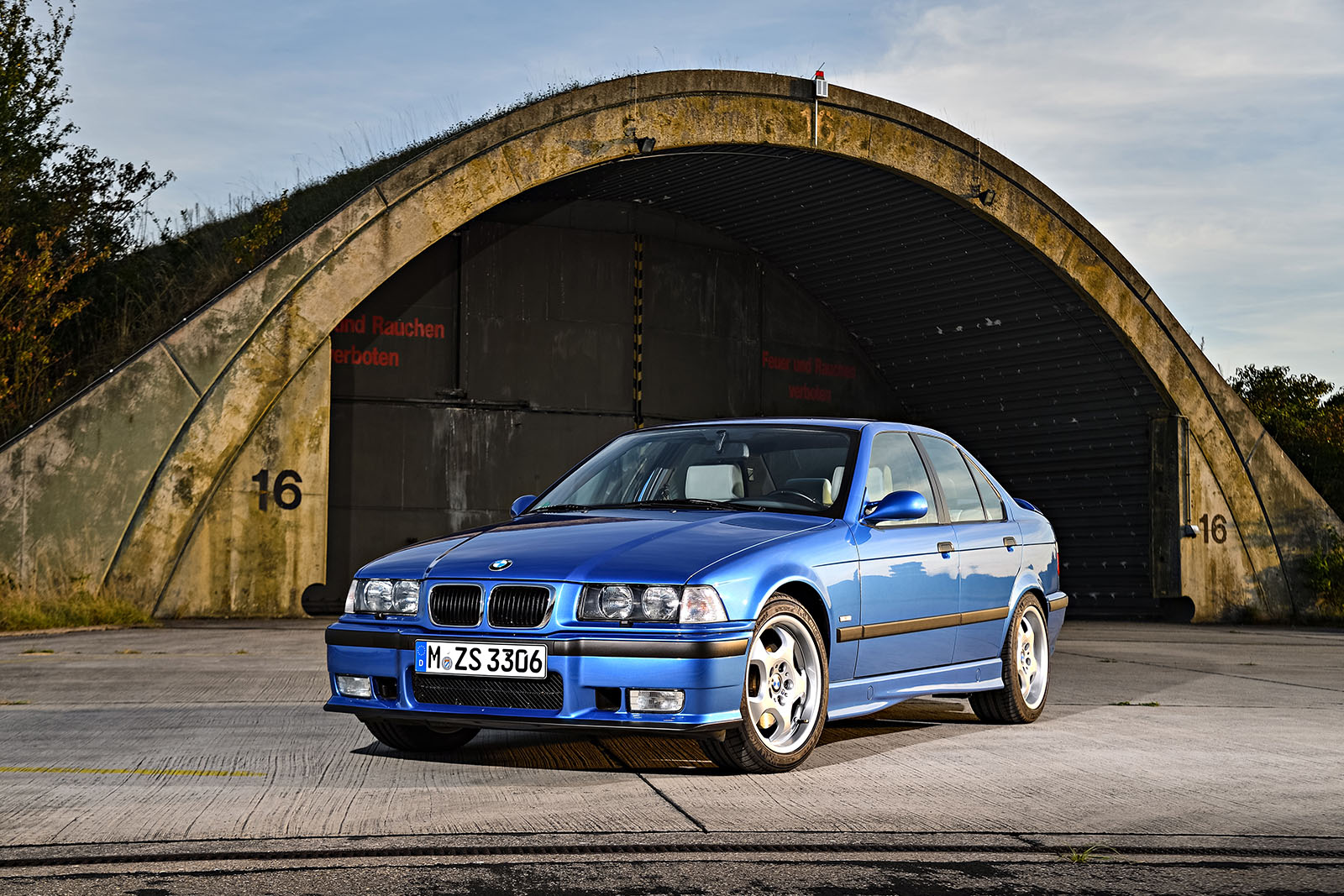
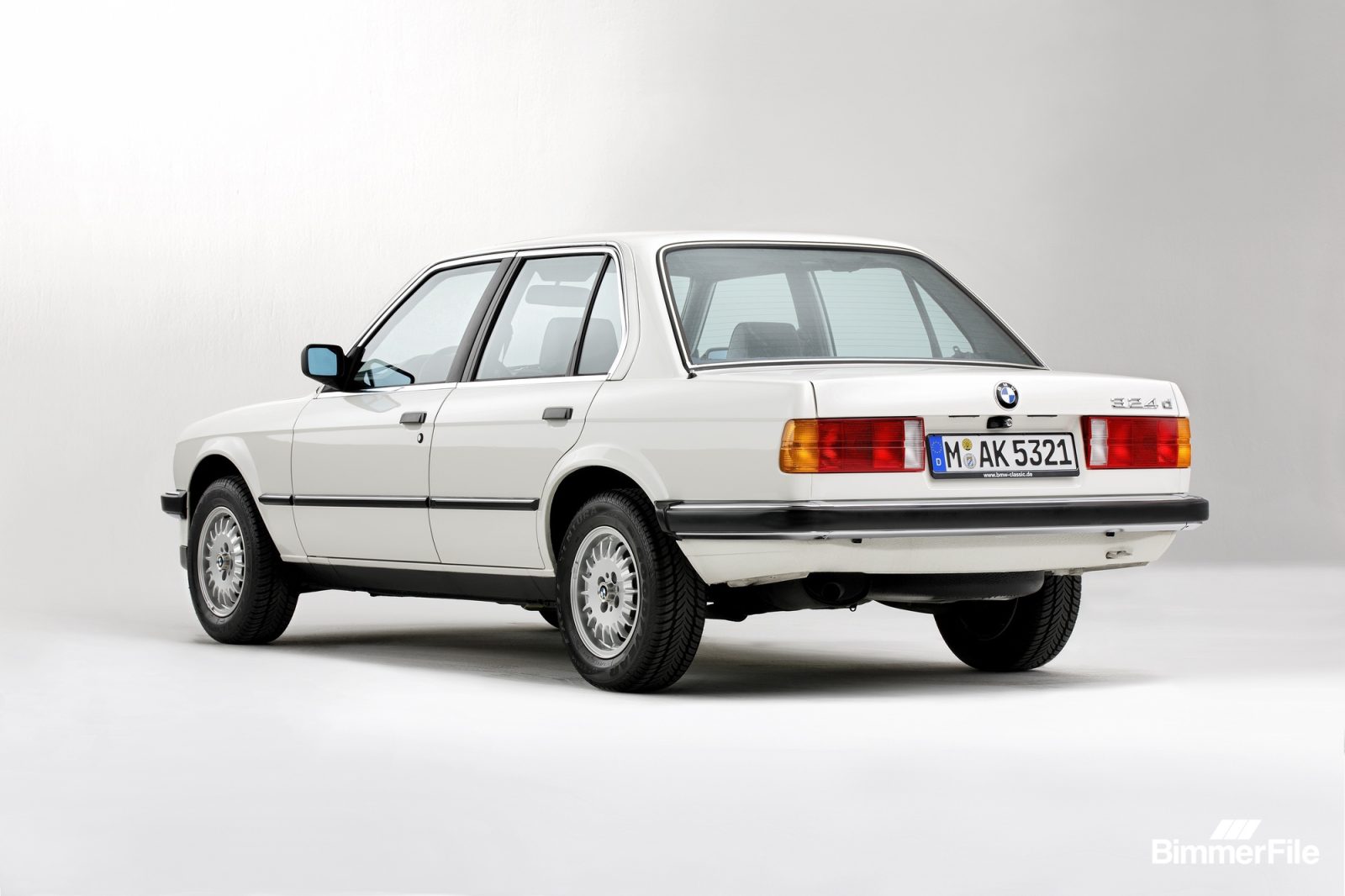
The E series defined BMW’s modern identity and ran for nearly four decades. The E30, E39, and E46 in particular remain the generations most consistently cited as benchmarks for driver engagement, the cars against which every subsequent 3 Series has been measured. The prefix ran across over 100 distinct codes and ended not with a hard cutover but a gradual handover to the F series from around 2010 onward.
1 Series
| Code | Model | Years |
|---|---|---|
| E87 | 1 Series Hatchback (1st Gen) | 2004–2011 |
| E82 | 1 Series Coupe | 2007–2013 |
| E88 | 1 Series Convertible | 2007–2014 |
3 Series
| Code | Model | Years |
|---|---|---|
| E21 | 3 Series Sedan (1st Gen) | 1975–1983 |
| E30 | 3 Series (2nd Gen) | 1983–1994 |
| E36 | 3 Series (3rd Gen) | 1990–2000 |
| E46 | 3 Series (4th Gen) | 1998–2006 |
| E90 | 3 Series Sedan (5th Gen) | 2005–2012 |
| E91 | 3 Series Touring (5th Gen) | 2005–2012 |
| E92 | 3 Series Coupe (5th Gen) | 2006–2013 |
| E93 | 3 Series Convertible (5th Gen) | 2007–2013 |
The E46 deserves particular mention. It arrived at the end of an era when BMW’s engineering priorities and its commercial pressures were still largely aligned, and the result was a 3 Series that felt definitive rather than calculated. The debate over whether any subsequent generation has matched it has never fully closed.
5 Series
| Code | Model | Years |
|---|---|---|
| E28 | 5 Series (2nd Gen) | 1982–1988 |
| E34 | 5 Series (3rd Gen) | 1988–1996 |
| E39 | 5 Series (4th Gen) | 1995–2004 |
| E60 | 5 Series Sedan (5th Gen) | 2003–2010 |
| E61 | 5 Series Touring (5th Gen) | 2004–2010 |
The E39 occupies a similar position in the 5 Series lineage to what the E46 holds for the 3: the generation that got the balance right between driver focus and executive comfort, before both series grew considerably in size and complexity.
6, 7, 8 Series and X Models
| Code | Model | Years |
|---|---|---|
| E24 | 6 Series Coupe | 1977–1989 |
| E23 | 7 Series (1st Gen) | 1977–1987 |
| E32 | 7 Series (2nd Gen) | 1987–1994 |
| E38 | 7 Series (3rd Gen) | 1994–2001 |
| E65 | 7 Series SWB (4th Gen) | 2001–2008 |
| E66 | 7 Series LWB (4th Gen) | 2001–2008 |
| E31 | 8 Series Coupe | 1990–1999 |
| E83 | X3 (1st Gen) | 2003–2010 |
| E53 | X5 (1st Gen) | 1999–2006 |
| E70 | X5 (2nd Gen) | 2006–2013 |
| E71 | X6 (1st Gen) | 2008–2014 |
| E84 | X1 (1st Gen) | 2009–2015 |
| E85 | Z4 Roadster (1st Gen) | 2002–2008 |
| E89 | Z4 (2nd Gen) | 2009–2016 |
| E52 | Z8 Roadster | 2000–2003 |
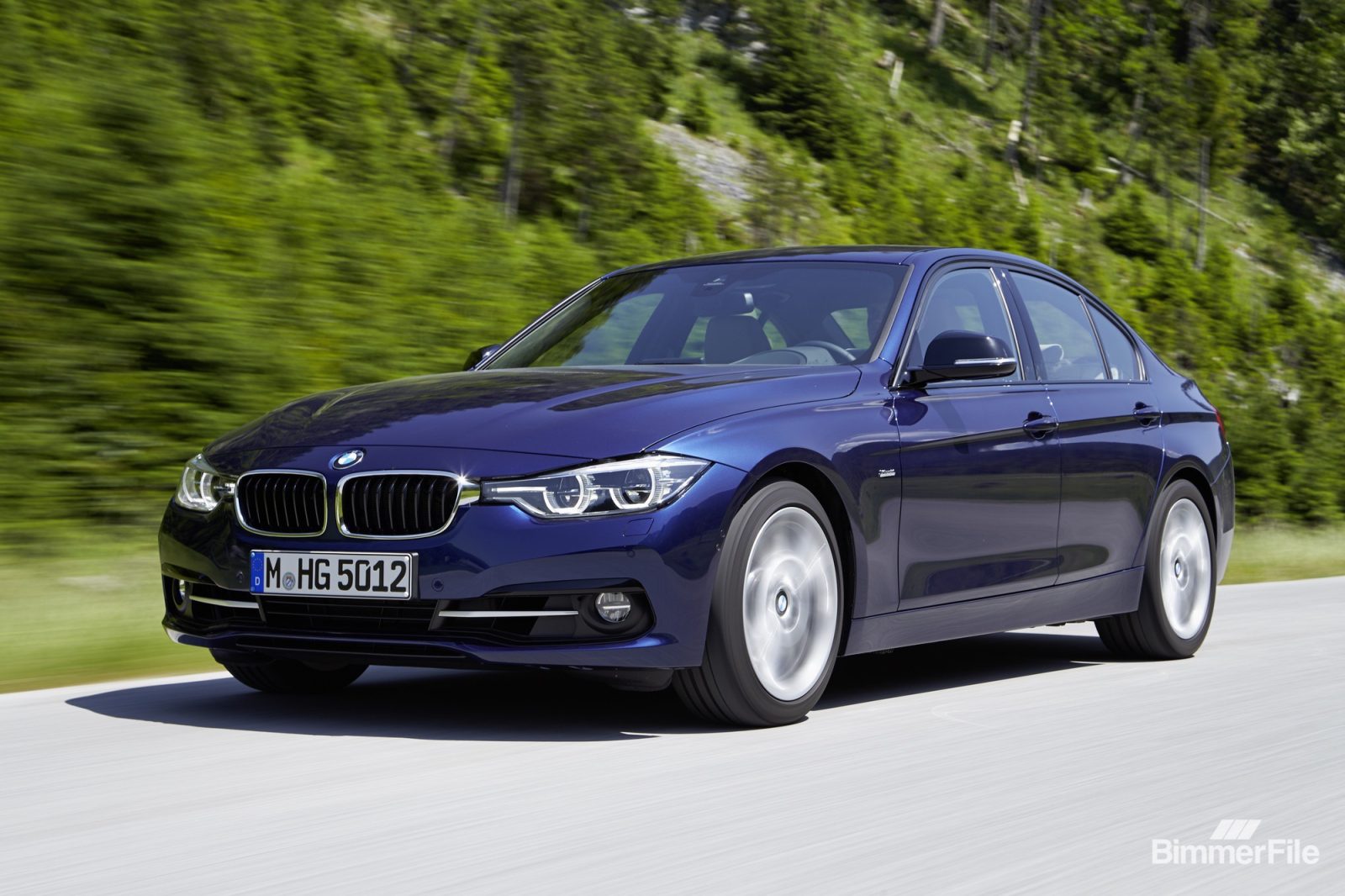
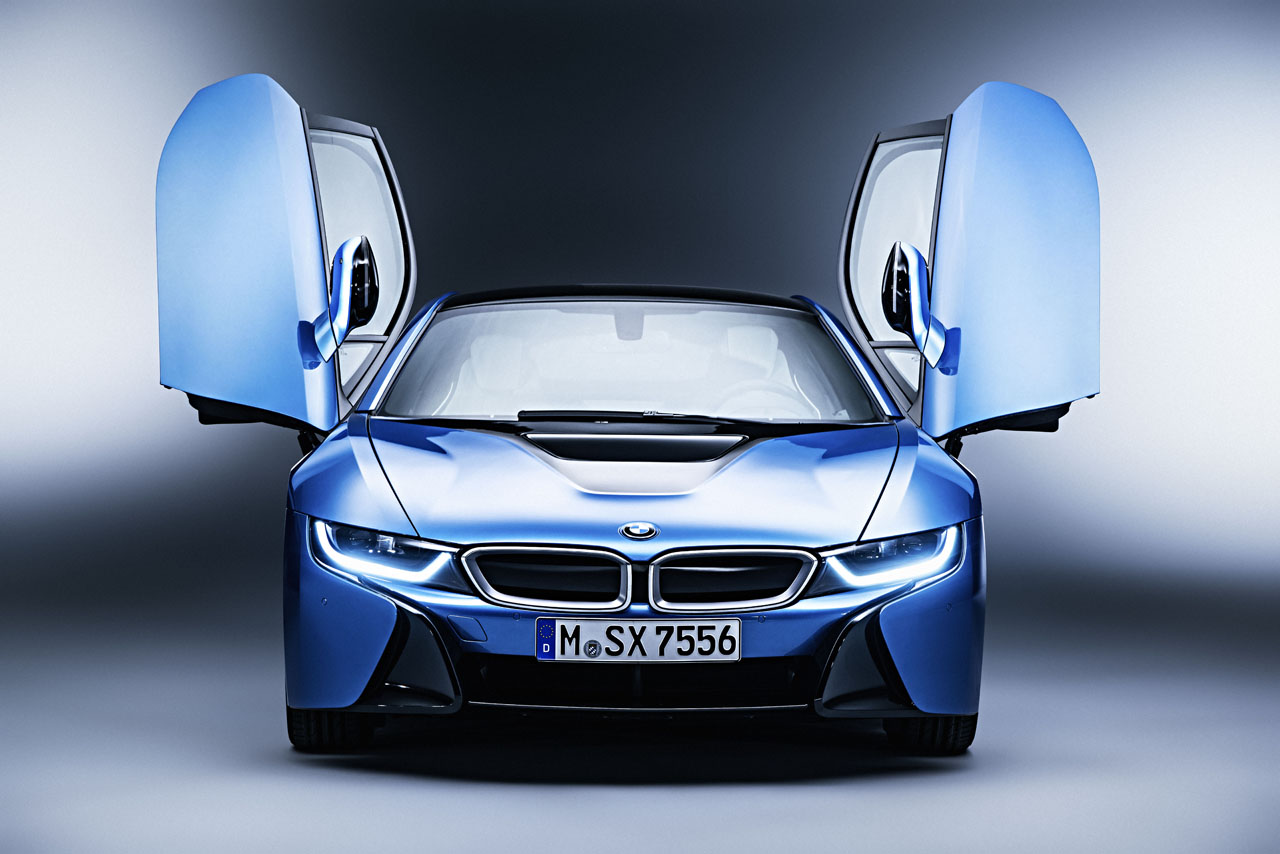
The F series was the most prolific era in BMW’s history by model count. Turbocharged engines arrived across the entire range, the 4 Series emerged as a distinct family split from the 3, and BMW launched its first purpose-built EVs in the I01 i3 and I12 i8. The period also brought the UKL front-wheel-drive platform into the BMW lineup via the F48 X1 and F45 Active Tourer, a move that drew sustained criticism from traditionalists and remains the most debated platform decision in the brand’s recent history.
1 and 2 Series
| Code | Model | Years |
|---|---|---|
| F20 | 1 Series Hatchback (2nd Gen) | 2011–2019 |
| F40 | 1 Series Hatchback (3rd Gen, UKL) | 2019–2024 |
| F22 | 2 Series Coupe | 2014–2021 |
| F23 | 2 Series Convertible | 2014–2021 |
| F44 | 2 Series Gran Coupe (UKL) | 2020–2024 |
| F45 | 2 Series Active Tourer | 2014–2021 |
| F46 | 2 Series Gran Tourer | 2014–2021 |
| F87 | M2 (1st Gen) | 2016–2021 |
3 and 4 Series
| Code | Model | Years |
|---|---|---|
| F30 | 3 Series Sedan (6th Gen) | 2012–2019 |
| F31 | 3 Series Touring (6th Gen) | 2012–2019 |
| F34 | 3 Series Gran Turismo | 2013–2019 |
| F80 | M3 Sedan (F30-era) | 2014–2018 |
| F32 | 4 Series Coupe | 2013–2020 |
| F33 | 4 Series Convertible | 2013–2020 |
| F36 | 4 Series Gran Coupe | 2014–2021 |
| F82 | M4 Coupe (F32-era) | 2014–2020 |
| F83 | M4 Convertible (F32-era) | 2014–2020 |
5 and 6 Series
| Code | Model | Years |
|---|---|---|
| F10 | 5 Series Sedan (6th Gen) | 2010–2016 |
| F11 | 5 Series Touring (6th Gen) | 2010–2017 |
| F07 | 5 Series Gran Turismo | 2009–2017 |
| F90 | M5 (5th Gen) | 2018–2023 |
| F06 | 6 Series Gran Coupe | 2012–2018 |
| F12 | 6 Series Convertible | 2011–2018 |
| F13 | 6 Series Coupe | 2011–2018 |
7 Series
| Code | Model | Years |
|---|---|---|
| F01 | 7 Series SWB (5th Gen) | 2008–2015 |
| F02 | 7 Series LWB (5th Gen) | 2008–2015 |
8 Series and M Performance
| Code | Model | Years |
|---|---|---|
| F91 | M8 Convertible | 2020–2025 |
| F92 | M8 Coupe | 2019–2025 |
| F93 | M8 Gran Coupe | 2020–2025 |
| F85 | X5 M (1st Gen) | 2015–2019 |
| F86 | X6 M (1st Gen) | 2015–2019 |
| F95 | X5 M (2nd Gen) | 2020–2025 |
| F96 | X6 M (2nd Gen) | 2020–2028 |
| F97 | X3 M (1st Gen) | 2019–2024 |
| F98 | X4 M (1st Gen) | 2019–2025 |
X Models
| Code | Model | Years |
|---|---|---|
| F25 | X3 (2nd Gen) | 2010–2017 |
| F26 | X4 (1st Gen) | 2014–2018 |
| F39 | X2 (1st Gen) | 2018–2023 |
| F48 | X1 (2nd Gen, UKL) | 2015–2022 |
| F15 | X5 (3rd Gen) | 2013–2018 |
| F16 | X6 (2nd Gen) | 2014–2019 |
Electric (I Series)
| Code | Model | Years |
|---|---|---|
| I01 | BMW i3 Electric | 2013–2022 |
| I12 | BMW i8 Coupe PHEV | 2014–2020 |
| I15 | BMW i8 Roadster PHEV | 2018–2020 |
The I01 i3 was a genuine engineering departure: purpose-built EV architecture, carbon-fibre body structure, and a character entirely its own. It never sold in the volumes BMW needed, but it established the credibility and institutional knowledge that made the Neue Klasse programme possible. The I12 i8 remains one of the most visually arresting BMWs ever produced, a car that looked like the future and largely drove like it too.

The G series is BMW’s current generation for most of the lineup, built on the CLAR platform. These cars will continue running in parallel with Neue Klasse products for the foreseeable future: our dual-platform strategy piece covers how BMW intends to manage both architectures simultaneously without cannibalising either.
1 and 2 Series
3 and 4 Series
| Code | Model | Years |
|---|---|---|
| G20 | 3 Series Sedan (7th Gen) | 2018–2026 |
| G21 | 3 Series Touring (7th Gen) | 2019–2026 |
| G50 | 3 Series Sedan (8th Gen, ICE, upcoming) | 2026– |
| G51 | 3 Series Touring (8th Gen, ICE, upcoming) | 2026– |
| G80 | M3 Sedan (G20-era) | 2021–2027 |
| G81 | M3 Touring | 2022–2027 |
| G84 | M3 Sedan (ICE, upcoming) | 2028– |
| G22 | 4 Series Coupe | 2020– |
| G23 | 4 Series Convertible | 2020– |
| G26 | 4 Series Gran Coupe | 2021– |
| G82 | M4 Coupe | 2021– |
| G83 | M4 Convertible | 2021– |
The G50 and G51 are the forthcoming ICE successors to the G20 3 Series, engineered to share near-identical exterior styling with the all-electric NA0 i3. The visual convergence is deliberate: BMW wants buyers to choose their powertrain without the car announcing it. We covered the dual-track 3 Series strategy in full earlier this year.
5 Series
| Code | Model | Years |
|---|---|---|
| G30 | 5 Series Sedan (7th Gen) | 2017–2023 |
| G31 | 5 Series Touring (7th Gen) | 2017–2024 |
| G32 | 6 Series Gran Turismo | 2017–2023 |
| G60 | 5 Series Sedan (8th Gen) | 2024– |
| G61 | 5 Series Touring (8th Gen) | 2024– |
| G90 | M5 Sedan (6th Gen) | 2024– |
| G99 | M5 Touring | 2024– |
The G90 M5 and G99 M5 Touring represent the first M5s with standard hybrid assistance, a PHEV system delivering a combined 727 hp. Our G99 M5 Touring coverage covers what that means in practice for a car that was already the most capable M5 ever built before the electric motor joined the equation.
7 Series and Flagships
| Code | Model | Years |
|---|---|---|
| G11 | 7 Series (6th Gen) | 2015–2022 |
| G70 | 7 Series (7th Gen) | 2022– |
| G14 | 8 Series Convertible | 2018–2026 |
| G15 | 8 Series Coupe | 2018–2026 |
| G16 | 8 Series Gran Coupe | 2019–2026 |
| G09 | XM | 2023– |
X Models
| Code | Model | Years |
|---|---|---|
| G01 | X3 (3rd Gen) | 2017–2024 |
| G45 | X3 (4th Gen) | 2024– |
| G02 | X4 (2nd Gen) | 2018–2025 |
| G05 | X5 (4th Gen) | 2018–2025 |
| G06 | X6 (3rd Gen) | 2019–2028 |
| G07 | X7 (1st Gen) | 2019– |
| G29 | Z4 (3rd Gen) | 2018– |
Electric (I Series)
U codes denote BMW’s current UKL-platform compact SUVs, shared architecture with the MINI Countryman U25. These are not Neue Klasse products: they represent the final evolution of the front-wheel-drive-capable UKL architecture before the platform is superseded by NB-series Neue Klasse replacements from 2028.
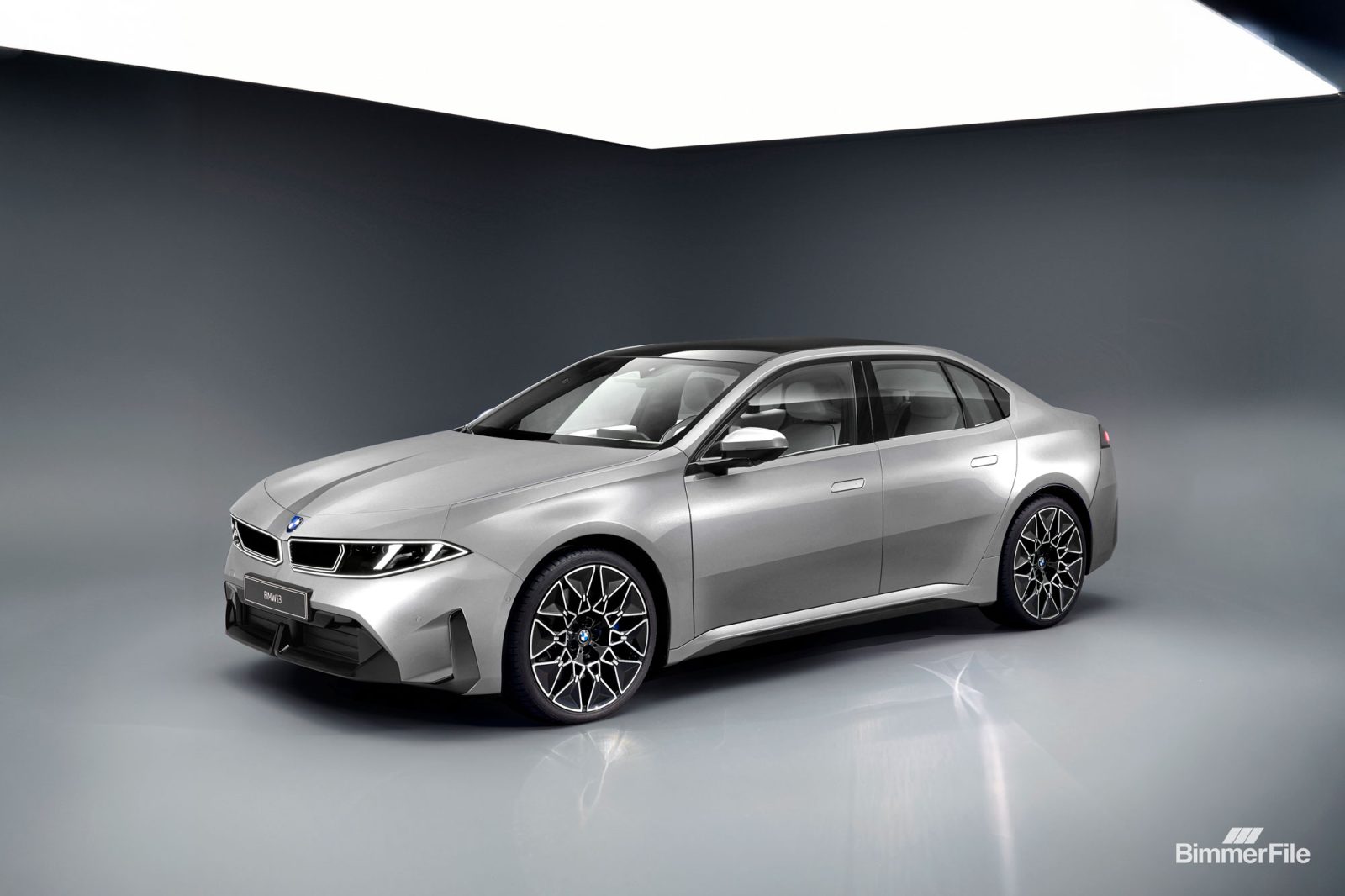
The Neue Klasse is BMW’s most significant engineering investment since the original E-series cars defined the brand in the 1970s. EV-only, built on 800V architecture with Gen6 cylindrical-cell batteries and a completely new digital and software backbone, it represents a clean break from everything that preceded it. The iX3 (NA5) was the first production model, debuting at IAA 2025 and entering US deliveries in mid-2026.
NA Series (Premium Neue Klasse)
The NA0 i3 is worth dwelling on. It revives a nameplate that previously belonged to a car with an entirely different character, the I01 city EV, and applies it to the Neue Klasse 3 Series successor. The choice signals that BMW sees the i3 name as carrying positive EV equity worth preserving, even at the cost of some continuity confusion.
NB Series (Compact Neue Klasse)
| Code | Model | Years (est.) |
|---|---|---|
| NB0 | BMW i1 Hatchback | 2028– |
| NB5 | BMW iX1 | 2028– |
| NB8 | BMW i2 Gran Coupe | 2028– |
ZA Series (Neue Klasse M)
| Code | Model | Years (est.) |
|---|---|---|
| ZA0 | BMW M3 Electric Sedan | 2027– |
| ZA1 | BMW M3 Electric Touring | 2027– |
| ZA5 | BMW iX3 M | 2028– |
| ZA7 | BMW iX4 M | 2028– |
The ZA0 electric M3 is the car that defines what Neue Klasse M means in practice. Production begins March 2027, with an estimated 800 to 900 hp from four independent electric motors with individual torque vectoring. There is no manual gearbox. A combustion successor, the G84, follows in July 2028 for buyers who want continuity. The full analysis of what this means for the M3 nameplate covers the implications in detail.
The Neue Klasse is not replacing CLAR. It is running alongside it, which means BMW’s product range will be more architecturally complex over the next decade than at any point in the brand’s history. G-code cars serve ICE and PHEV buyers. N-code cars serve the EV future. Both carry the same badge, share design language, and will in some cases be sold side by side in the same showroom.
That complexity is not a weakness in BMW’s strategy. It is a deliberate hedge against a transition timeline that remains genuinely uncertain. What it means for buyers and enthusiasts is that understanding which code a car carries has never been more consequential. The prefix tells you the platform, the platform tells you the powertrain family, and the powertrain family tells you the car’s entire engineering universe: its parts bin, its software, its charging infrastructure, and its long-term trajectory.
The E series told you a BMW was a driver’s car. The F series told you it had a turbo. The G series tells you it’s current. The N series tells you it’s the future. Knowing which one you’re looking at is where it starts.