BMW Group Q1 2026: Neue Klasse Momentum in a Turbulent World
 by
by 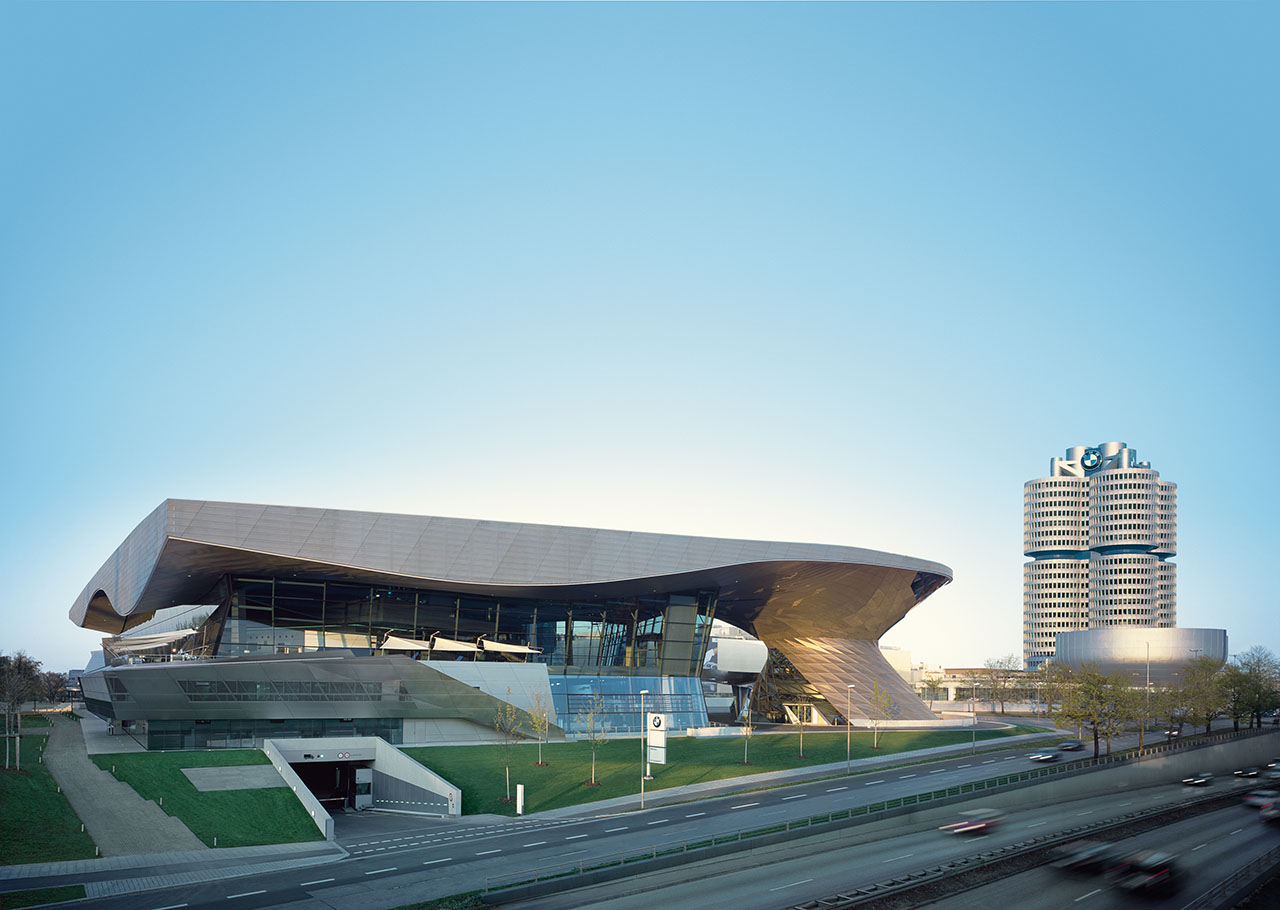

The numbers BMW Group posted this morning for Q1 2026 tell a story of a company navigating real external pressure without losing its footing. Whether that constitutes cause for confidence or quiet concern depends on how you read the fine print.
Group earnings before tax came in at €2,348 million, with an EBT margin of 7.6%, essentially on par with the full-year 2025 figure of 7.7%. That’s a credible result when you factor in what the company was dealing with: tariffs alone shaved 1.25 percentage points off the Automotive segment’s EBIT margin in the quarter, a meaningfully larger hit than the same period last year, when only EU import tariffs on battery-electric vehicles from China were in play.
The Automotive segment itself landed an EBIT margin of 5.0%, right in the middle of BMW’s stated full-year guidance corridor of 4 to 6 percent. On paper, that’s fine. In practice, it means the company is threading a needle, and the margin for error isn’t wide. Revenue fell to €31,007 million from €33,758 million a year ago, a decline of 8.1%, though currency-adjusted the drop was a more manageable 4.3%. The culprits are familiar at this point: the persistently weak Chinese renminbi, a softer US dollar, and ongoing pricing pressure in China, where the total market contracted sharply.
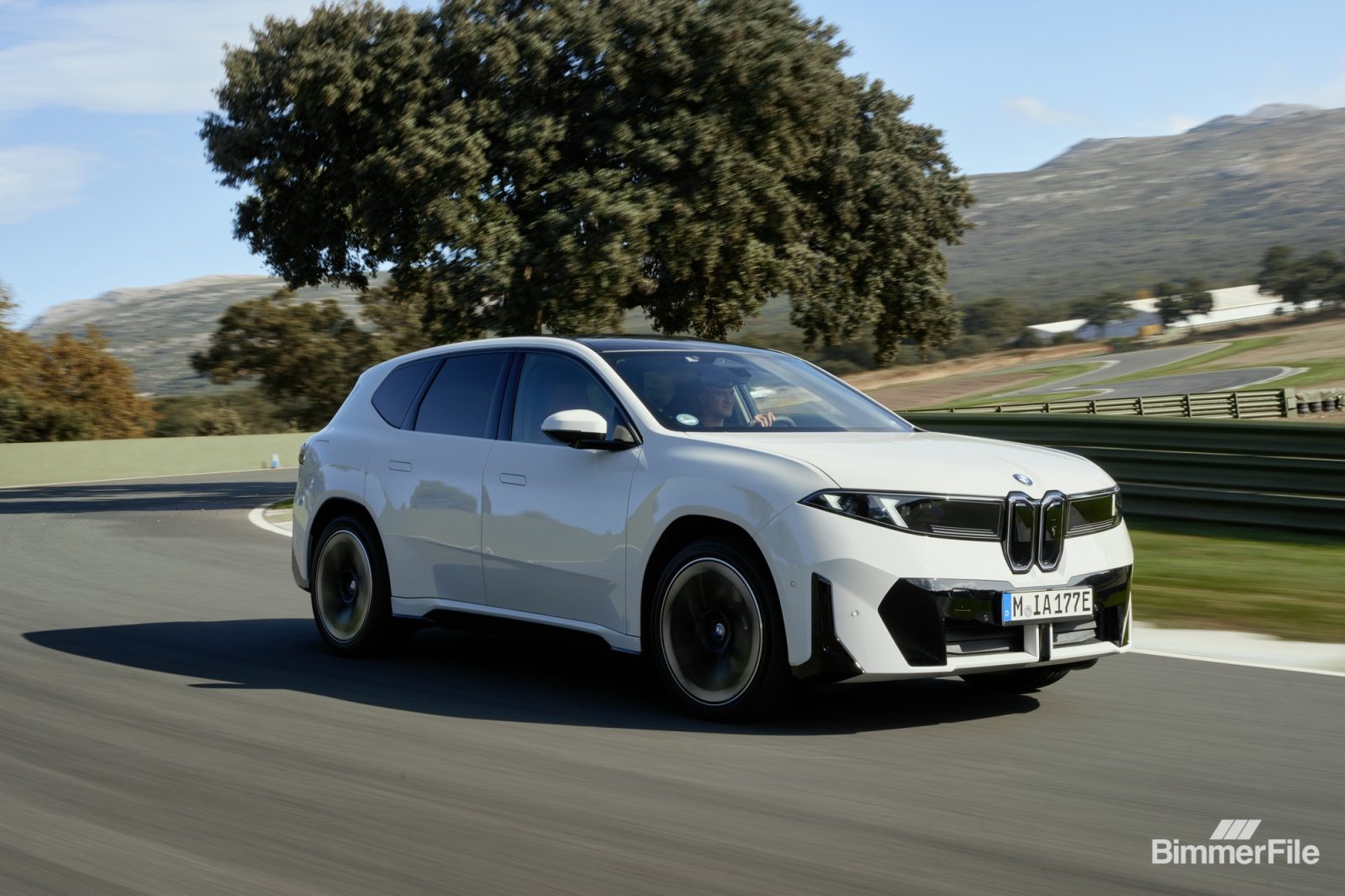
Where BMW does get to claim a genuine win is on the order front. The BMW iX3, the first production vehicle of the Neue Klasse platform, has exceeded 50,000 pre-orders in Europe since deliveries began in March, and took home two awards at the World Car Awards, including World Car of the Year and World Electric Vehicle of the Year. That kind of validation from an international jury matters, but customer orders matter more, and 50,000 units of a brand-new EV architecture in a single region is not a trivial number. Demand has been strong enough that BMW pulled forward a second production shift at its Debrecen plant in February.
The broader Neue Klasse rollout continues to build momentum. BMW unveiled the i3 in Munich in March, with series production set to begin in August and European market launch shortly thereafter. The Munich plant, which received approximately €650 million in investment and was completely remodeled around the iFactory principles, will transition to exclusively producing electric vehicles beginning in 2027. That’s a significant commitment, and Zipse was careful to frame it as both a product and an efficiency story. When the i3 begins customer deliveries, BMW expects to have reduced overall production costs at the Munich facility by an additional 10% compared to current levels.
On deliveries, the headline is a slight global decline. Total group deliveries reached 565,780 vehicles in Q1, down 3.5% year over year, with the BMW brand specifically down 4.6% to 496,006 units. The counterweight, and an important one, is Europe. The BMW Group recorded its highest-ever quarterly order intake in Europe during Q1, with BEV orders up approximately 62% year over year, and German registrations up more than 10%. That kind of regional strength does meaningful work when China is contracting and the Americas are softening.
On the cost side, BMW’s discipline is real and visible. R&D expenditure dropped to €1,755 million from €1,984 million in Q1 2025, a reduction of 11.5%, while capital expenditure fell even more sharply, from €2,819 million to €1,723 million, a decrease of 38.9%. That investment reduction flows through to free cash flow in a meaningful way: the Automotive segment generated €777 million in free cash flow in Q1, up 88.1% from the €413 million posted in the same period last year. The full-year free cash flow target remains above €4.5 billion.
There’s also a notable moment embedded in this quarterly call that deserves acknowledgment beyond the financials. Oliver Zipse opened his remarks by noting the passing of Alessandro Zanardi, the BMW works driver and Paralympic athlete who died on May 1. He also noted, at the close, that this was his final quarterly call as CEO, with Milan Nedeljković set to succeed him. Zipse has led the company since 2019 through genuinely difficult conditions, including the semiconductor shortage, the energy crisis, and the ongoing structural transition toward electrification. His tenure’s defining bet, the Neue Klasse, is only now beginning to pay off commercially. The timing of the handoff is, to put it diplomatically, interesting.
What this quarter ultimately demonstrates is that BMW’s strategy is functioning as designed, even if it isn’t producing the profitability numbers the company delivered in better conditions. The Neue Klasse is launching well. Cost management is tracking. Europe is performing. China and tariffs remain genuine headwinds, not temporary noise. BMW confirms its full-year 2026 outlook, expecting a moderate decline in group earnings before tax while maintaining the 4 to 6 percent Automotive EBIT margin guidance. That’s the honest assessment of where things stand: resilient, disciplined, and navigating real uncertainty with a product portfolio that is, at least in Europe, finding traction.