
BMW Profit Warning: What It Means For Buyers and Future Models
 by
by 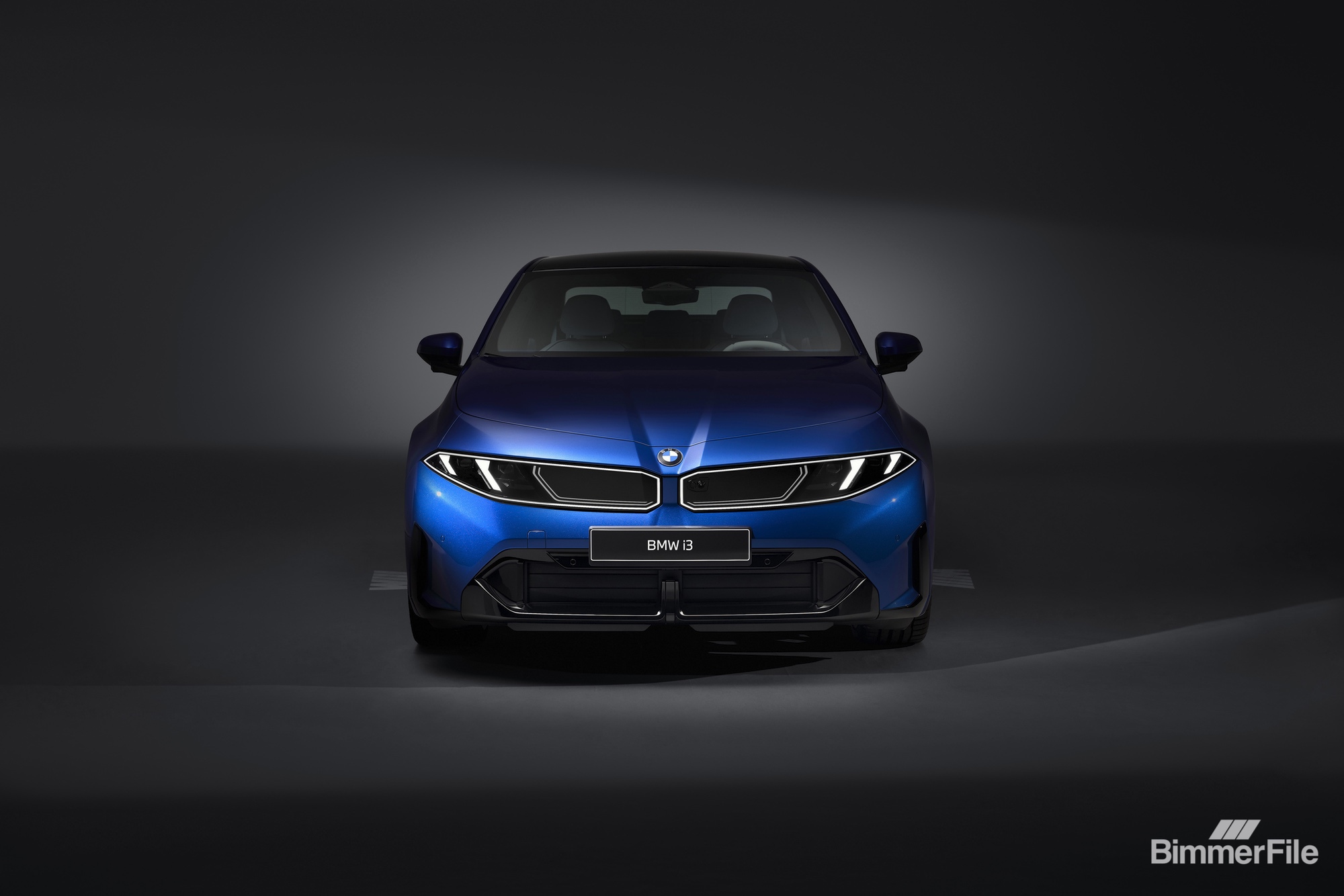

BMW slashed its 2026 earnings guidance by more than half this week, The Deep Dive blaming deteriorating conditions in China and the economic fallout from the Iran conflict. The financial headline is significant. The downstream implications for buyers are more so.
This is not a story about a bad quarter. It is a story about a company spending enormously to fund its next generation of vehicles, absorbing pressure from its largest market, and making hard decisions about which models justify their place in the lineup. For anyone shopping BMW in the next two to three years, those decisions matter. And they extend further than which nameplates survive.
The Numbers
BMW’s automotive segment EBIT margin is now expected to land between 1% and 3%, down from prior guidance of 4% to 6%. Group profit before tax is projected to fall at a significant rate compared with the previous year, a steeper deterioration than the moderate decline BMW had previously forecast.
Analysts at Deutsche Bank and Jefferies both said the revision was far larger than anticipated, Global Banking and Finance and the market responded accordingly. BMW shares fell to their lowest level since November 2020, dragging German rivals Volkswagen and Mercedes lower.
In response, BMW said it would intensify and accelerate its ongoing cost reduction initiatives through further structural and efficiency measures, cautioning that these steps would carry a one-time negative impact on earnings in the second half of 2026, with financial benefits expected to materialize in subsequent years.
The Context: A Very Expensive Transition
The profit warning doesn’t arrive in isolation. BMW has been redirecting enormous capital toward the Neue Klasse platform, its next-generation EV architecture, for several years. The Neue Klasse ramp-up remains on track, with more than 40 new and updated models planned for introduction by 2027, and the Debrecen plant in Hungary already running a two-shift schedule ahead of schedule to meet demand for the iX3 and i3.
That investment has a cost, and it has been visible in the lineup for some time. Before this week’s announcement, BMW was already quietly retiring models that couldn’t justify a full new development cycle. The X4, 8 Series, and Z4 are all being phased out with no direct successors planned, having debuted together in 2018 and never sold in sufficient volumes to fund a replacement. The figures bear that out: between January and August 2025, BMW moved 1,916 units of the X4, 659 of the 8 Series, and 2,613 of the Z4.
Those are not numbers that justify a new platform investment, particularly when that capital is already committed to Neue Klasse.
With the Z4 and 8 Series gone, BMW is left with a single open-top model: the 4 Series Convertible. The combustion-powered X4 will not be renewed either, with BMW planning an all-electric iX4 instead. The pattern is consistent: when an ICE model reaches end of life, the replacement, if it comes at all, arrives as an EV on the new platform.

What This Means for Buyers
The immediate lineup impact is already here. Three models that occupied distinct, if commercially modest, positions in the range are gone. What the profit warning suggests is that this rationalisation is not finished.
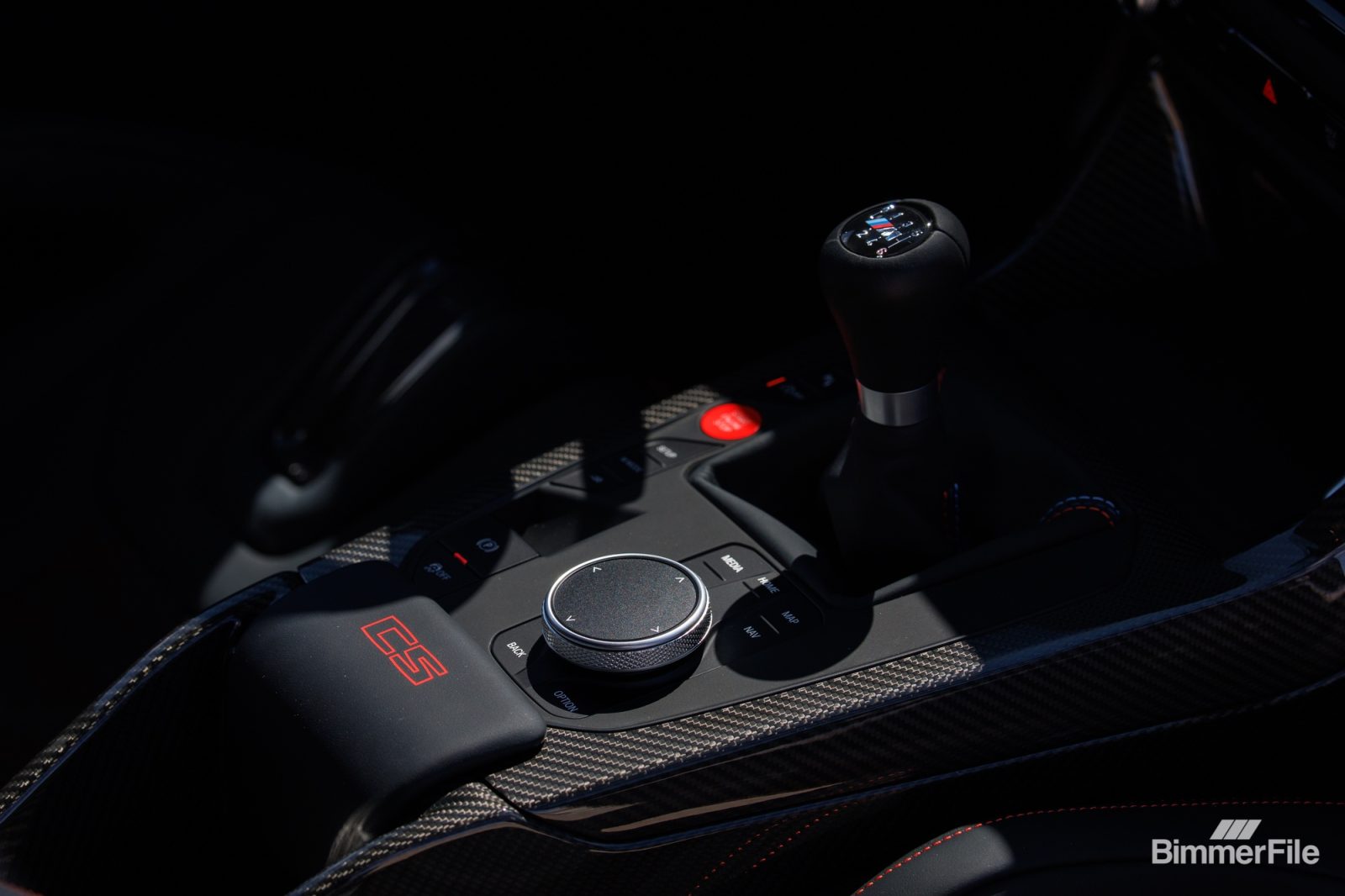
The implications go beyond nameplates. Low-volume options that carry meaningful engineering and certification overhead face the same logic as low-volume models: they need to justify their cost. The manual transmission is the obvious example. BMW has maintained the gearbox on a handful of models, notably the M2 and M3, as a point of brand principle as much as commercial calculation. That calculation just got harder. If there were cost pressures associated with certifying and supporting a manual across a small number of variants before this week, those pressures are now larger. It would be premature to call it a death sentence. It is not premature to say the business case for keeping it got materially weaker.
BMW’s situation connects two pressures that are often treated separately: China’s demand collapse and geopolitical cost shocks. For the company, they now appear in the same earnings statement. A business operating on a 1% to 3% automotive margin has considerably less room to carry anything, model or option, that serves brand character rather than volume targets.
For buyers, that means a BMW lineup likely to become more concentrated around core segments: the 3, 5, X3, X5, and their Neue Klasse successors. The interesting periphery, the coupes, the roadsters, the large GTs, and the niche configurations that enthusiasts value most, faces a harder justification test than it did three years ago.
BMW’s half-year report is due 30 July 2026. That will be the first clear look at how deep the second-half cost program runs, and with it, a better read on which development programs remain funded. Anyone waiting on a rumored successor to the Z4, a next-generation 8 Series equivalent, or simply hoping the manual transmission survives the decade should watch that report closely.

