
How Ferrari’s Manual Return Could Change BMW M Cars
 by
by 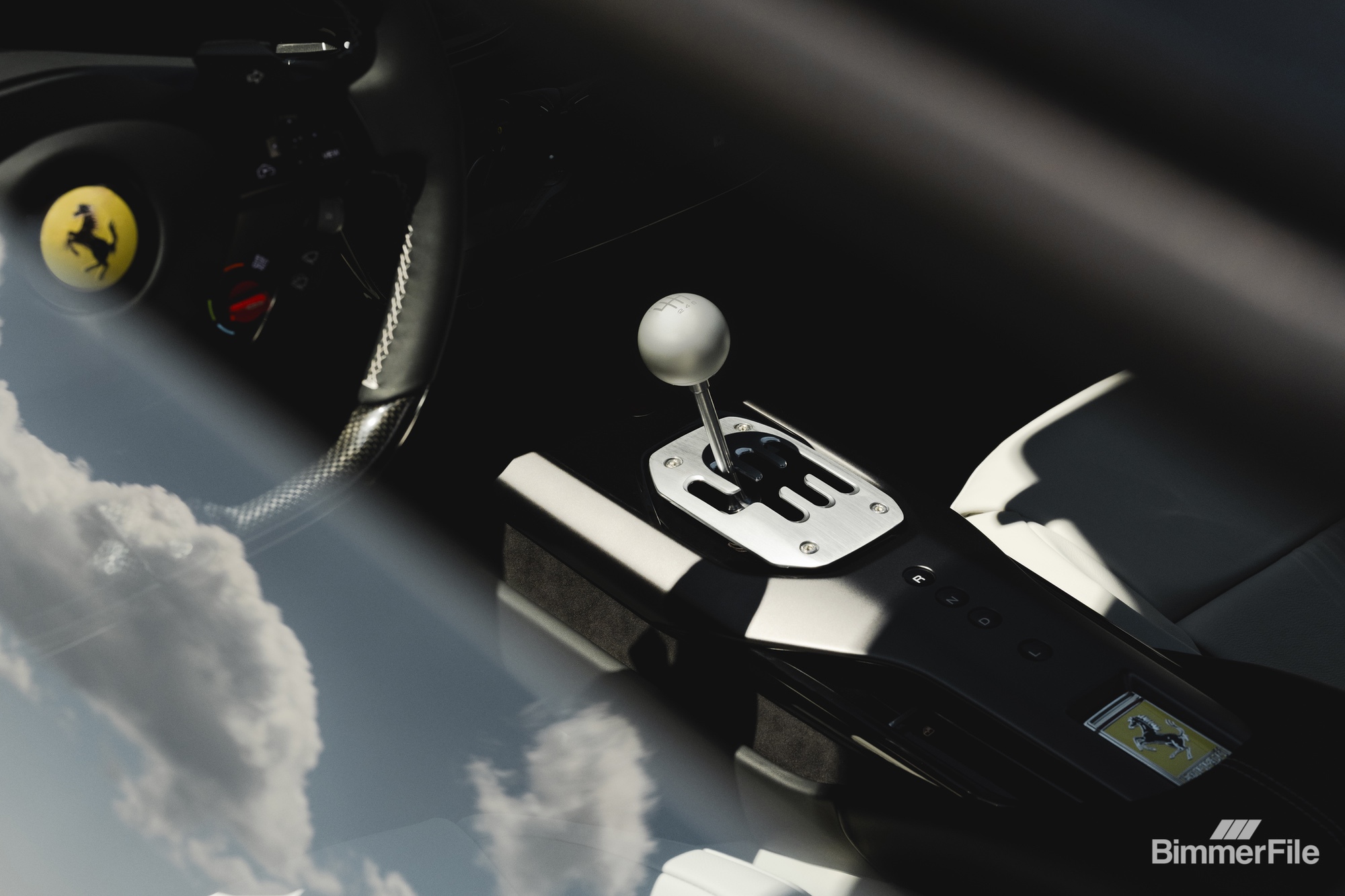

Ferrari has reintroduced the manual gearbox. That is the headline. It is also, strictly speaking, not entirely true.
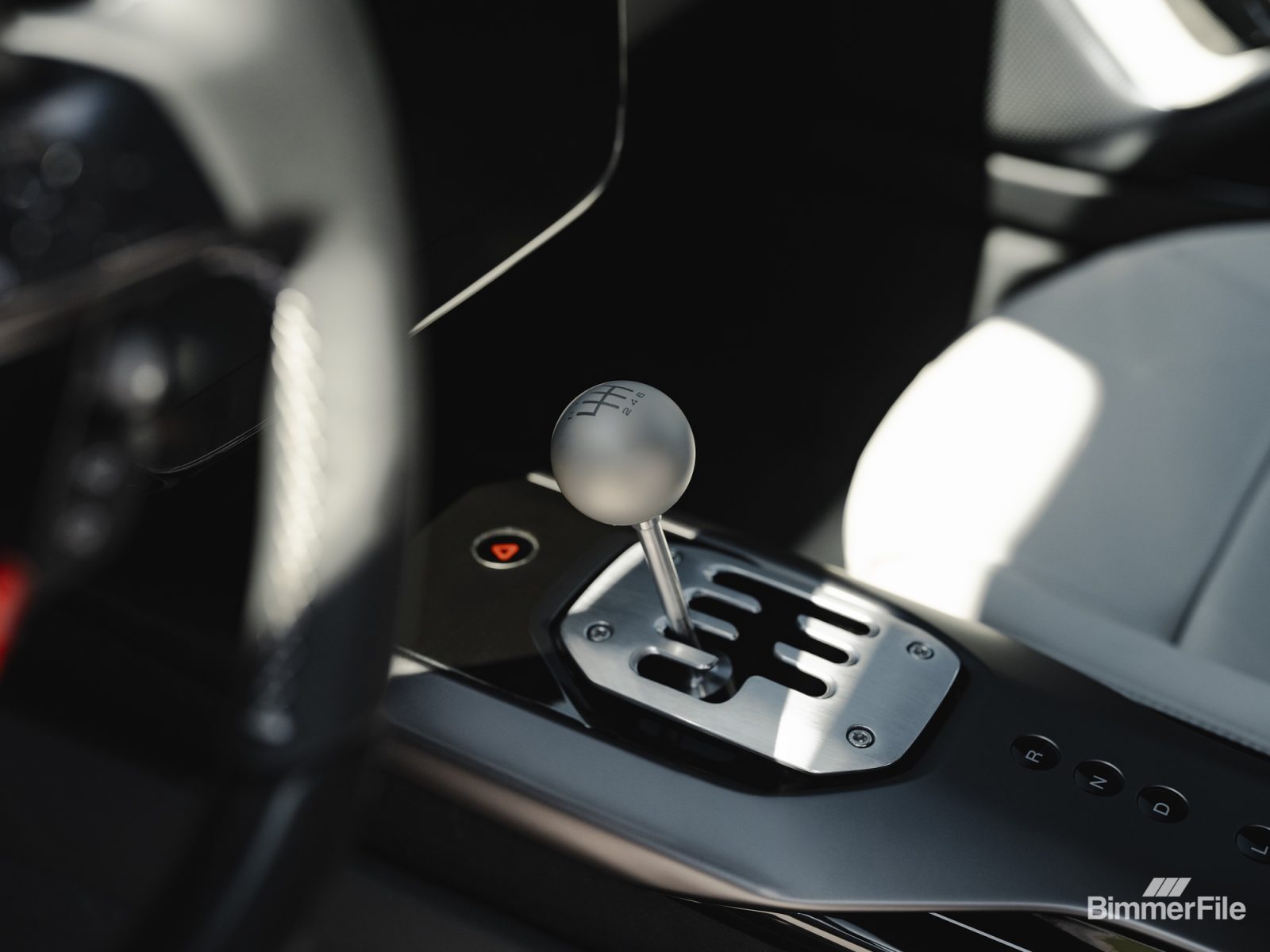
The new 12Cilindri Manuale has a clutch pedal. It has a gated aluminium shifter. It has none of the mechanical connection those parts implied for a century. Underneath both is the same eight-speed dual-clutch transmission fitted to every standard 12Cilindri. Ferrari calls the system Manuale By-Wire. The pedal and lever are actuators. They send inputs to software that operates the DCT’s clutch packs to reproduce the resistance, timing, and even the stall risk of a real manual. The car is homologated as an automatic. It can be driven as one at the press of a button.
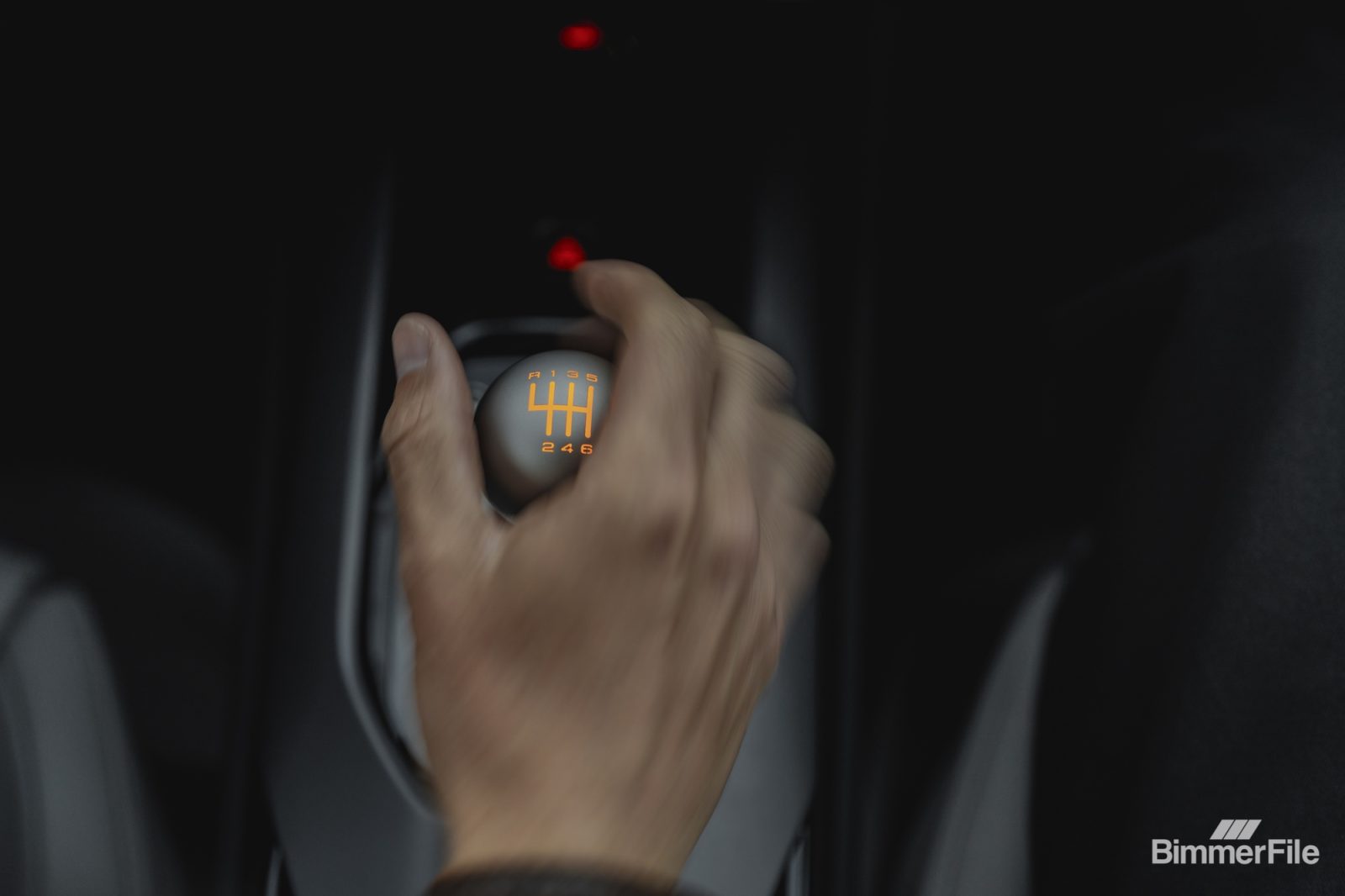
Skeptics will call this a costume, not a comeback. That reaction is fair on its face. A DCT wearing a manual’s clothing is still a DCT. But the skepticism misses what Ferrari actually solved. The company built a manual driving experience without the packaging, homologation, or emissions cost of an actual manual gearbox. That is a different engineering problem than the one manufacturers have been failing to solve for a decade, and it is the one that matters going forward.
Every automaker that has walked away from manuals, including BMW Group, has cited the same pressures. Emissions testing under EU cycles penalises the variability of human shifting. Packaging a clutch and shift linkage into an electrified platform is expensive and space-intensive. Development budgets for a shrinking customer base rarely clear the bar internally. Ferrari’s answer sidesteps all three at once, because the transmission underneath never changes. It is the same DCT the rest of the range already uses, already certified, already packaged.
That is the part worth paying attention to, independent of the £508,000 price tag. Ferrari has just demonstrated, at production scale, that driver engagement can be decoupled from the transmission architecture required to deliver it.
Systems like Manuale By-Wire depend on suppliers, not just Ferrari’s own engineers. Someone builds the load-simulating clutch actuator. Someone writes the control layer that interprets pedal feel and lever position. Those suppliers do not sign exclusivity agreements with one client, and a two-year development program does not stay proprietary once it has been validated in a production car. Top Gear’s team came away from Ferrari’s own briefing with the suggestion that a 296 without its hybrid hardware could plausibly get the same treatment. Trademark filings point to a broader digital manual program at Ferrari, not a single special series. The logical next step is a supplier taking the concept to other manufacturers entirely.
That puts BMW in an interesting position.
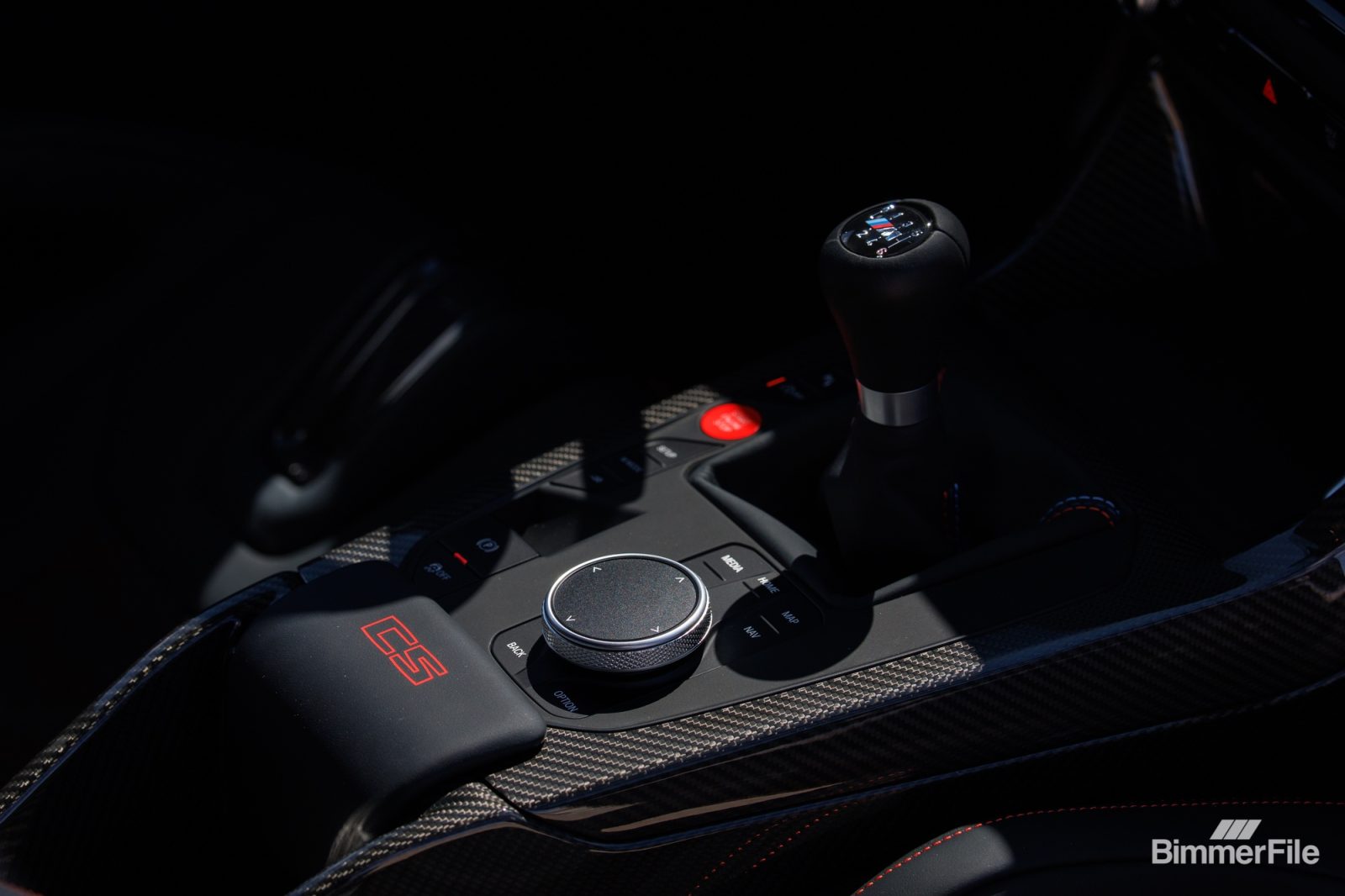
BMW has held onto real manuals in Europe longer than most rivals, largely on M cars, largely because the brand’s identity depends on it. But even those holdouts face the same CO2 testing pressure that has eliminated manuals elsewhere in the group. MINI has already lost the fight. The Getrag GS6-59BG fitted to the outgoing F56 JCW was, by any measure, the strongest manual MINI had built, engineered with torque headroom well beyond what the engine ever produced. It did not carry over to the F66. MINI has confirmed the reason was EU emissions test methodology, not a lack of engineering will or customer demand. Over half of F56 JCW hardtops sold in the US left the factory with three pedals.
MINI USA has continued to push for a manual’s return to the F66 and F67 JCW, by MotoringFile’s reporting, and the effort as described centres on reintroducing the same physical Getrag hardware. Ferrari has just proven a different path exists. If the obstacle is a testing methodology rather than the driving experience itself, a by-wire system that is legally an automatic clears that obstacle without requiring an entirely new transmission to be engineered and certified from scratch.
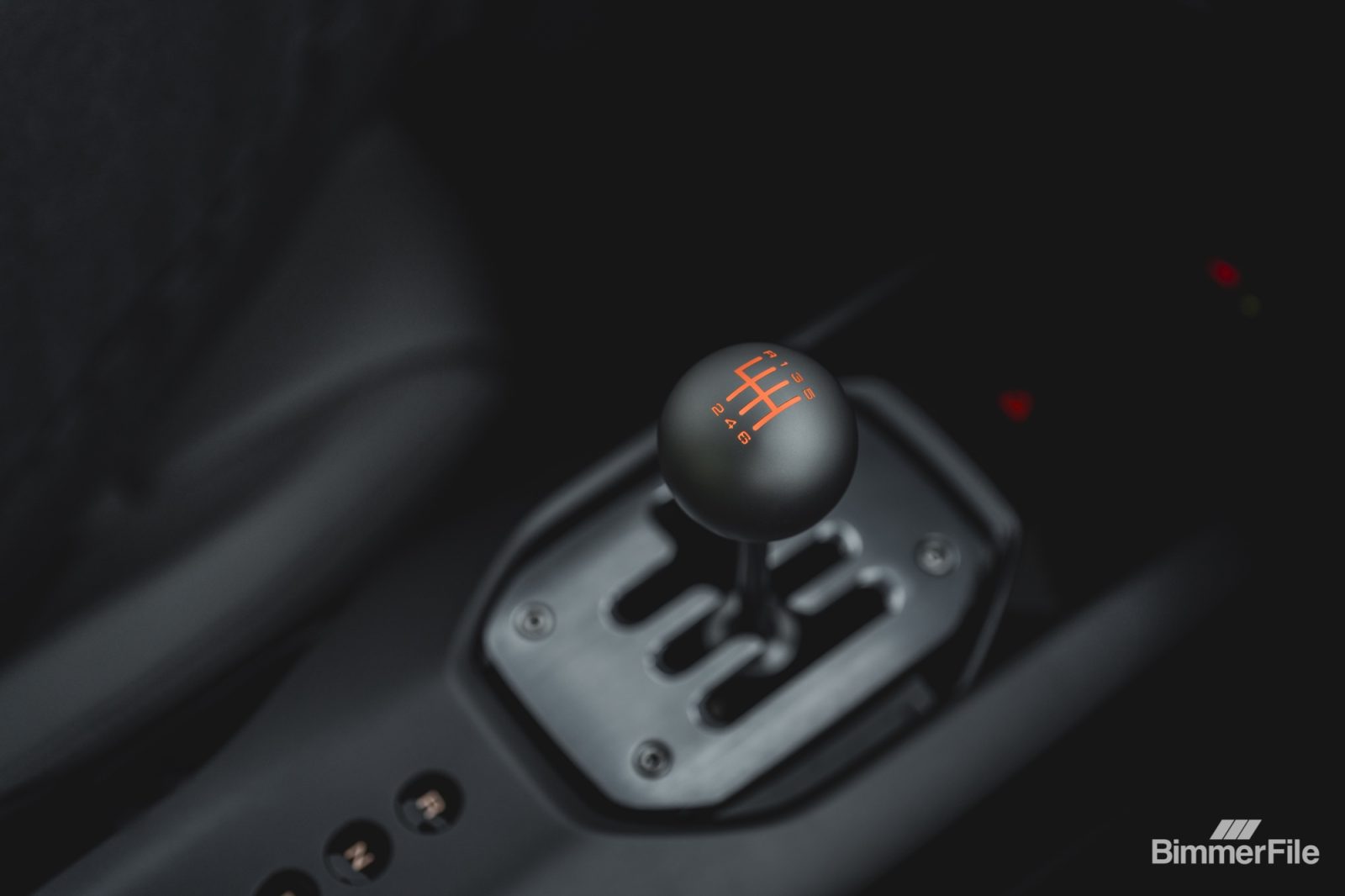
None of this scales to BMW or MINI money as currently built. Ferrari’s premium for the Manuale system reflects a bespoke solution wrapped into a 1,499-unit Tailor Made program, developed over two years for buyers who were never price-sensitive. Neither an M car nor a MINI Cooper JCW can absorb anything close to that structure.
The more useful question is whether a high-volume supplier, Getrag included, could industrialise the concept and bring the cost down to something viable at mainstream volumes. That is a manufacturing and software problem, not a physics one. Ferrari solved the physics. Whether the economics ever work at BMW Group’s scale is genuinely unresolved, and nobody at BMW, MINI, or Getrag has said anything on the record. But the concept no longer needs to be proven. It needs to get cheaper. That is a very different, and considerably more solvable, problem than the one the industry thought it was facing.


