EU Walks Back 2035 ICE Ban – What it Means for BMW’s Future Lineup
 by
by 

The European Union has effectively walked back its planned 2035 ban on new internal combustion engine sales, undoing one of the most rigid assumptions shaping Europe’s automotive future. With regulators now allowing multiple paths to meet emissions targets, the outlook for BMW and its long-term powertrain strategy has suddenly become far more flexible.
For BMW, this shift reinforces a philosophy the company has quietly championed for years. Choice over mandates. Engineering over ideology. And progress guided by customers rather than politics.
Under the newly negotiated framework, manufacturers will now be required to reduce fleet CO₂ emissions by 90 percent compared with 2021 levels by 2035. Crucially, that target no longer presumes a single technological solution. Battery electric vehicles remain central, but plug-in hybrids, synthetic fuels, and even combustion engines operating on low-carbon fuels are now explicitly part of the equation.
The reversal reflects mounting pressure from Europe’s major car-producing nations and industry leaders, who argued the original mandate failed to account for uneven EV demand, persistent charging infrastructure gaps, and intensifying global competition, particularly from Chinese EV manufacturers. Under the revised approach, vehicles with internal combustion engines can continue to count toward fleet targets provided overall emissions are contained, with credits available for biofuels, renewable energy inputs, and low-carbon materials.
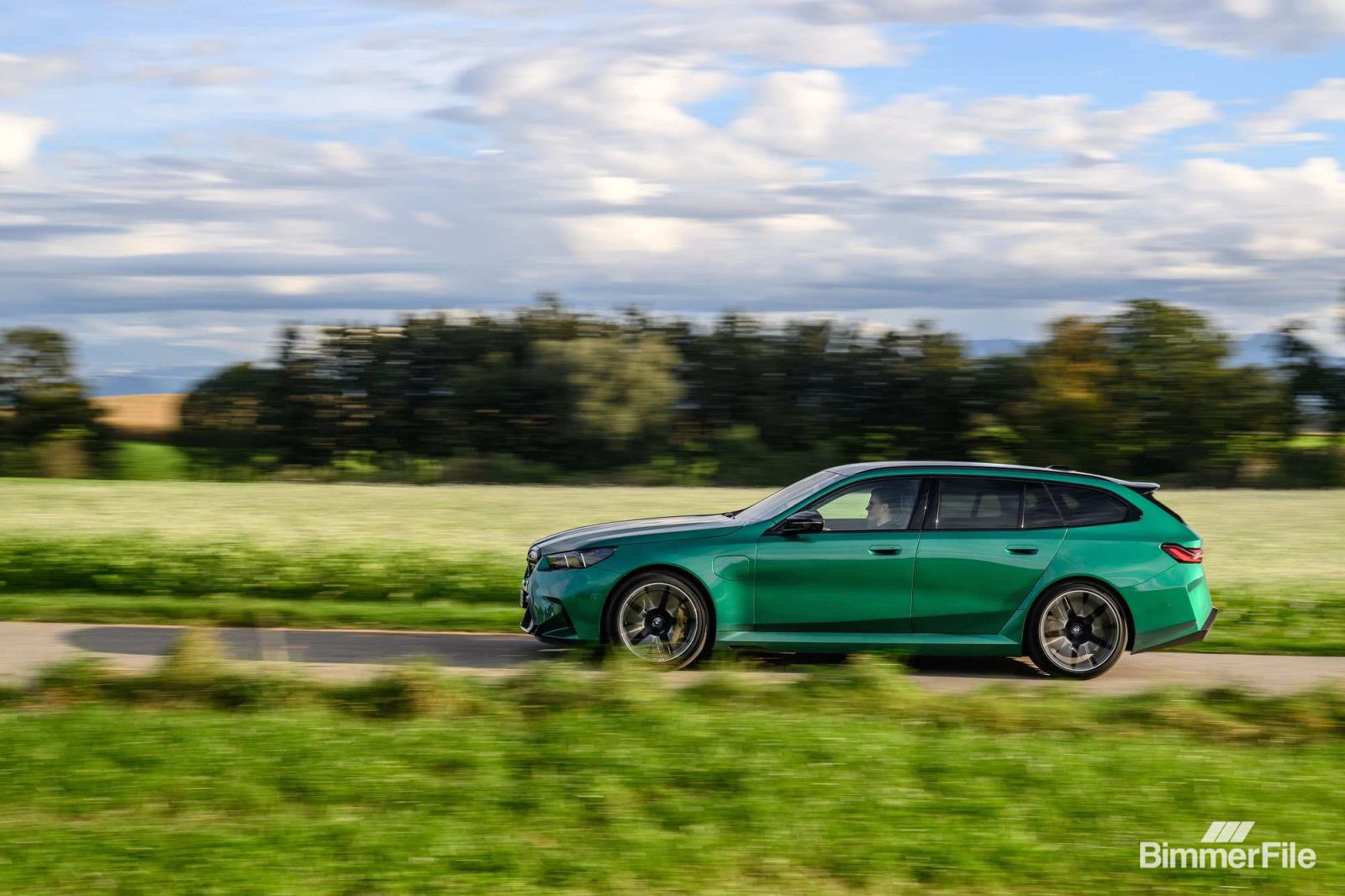
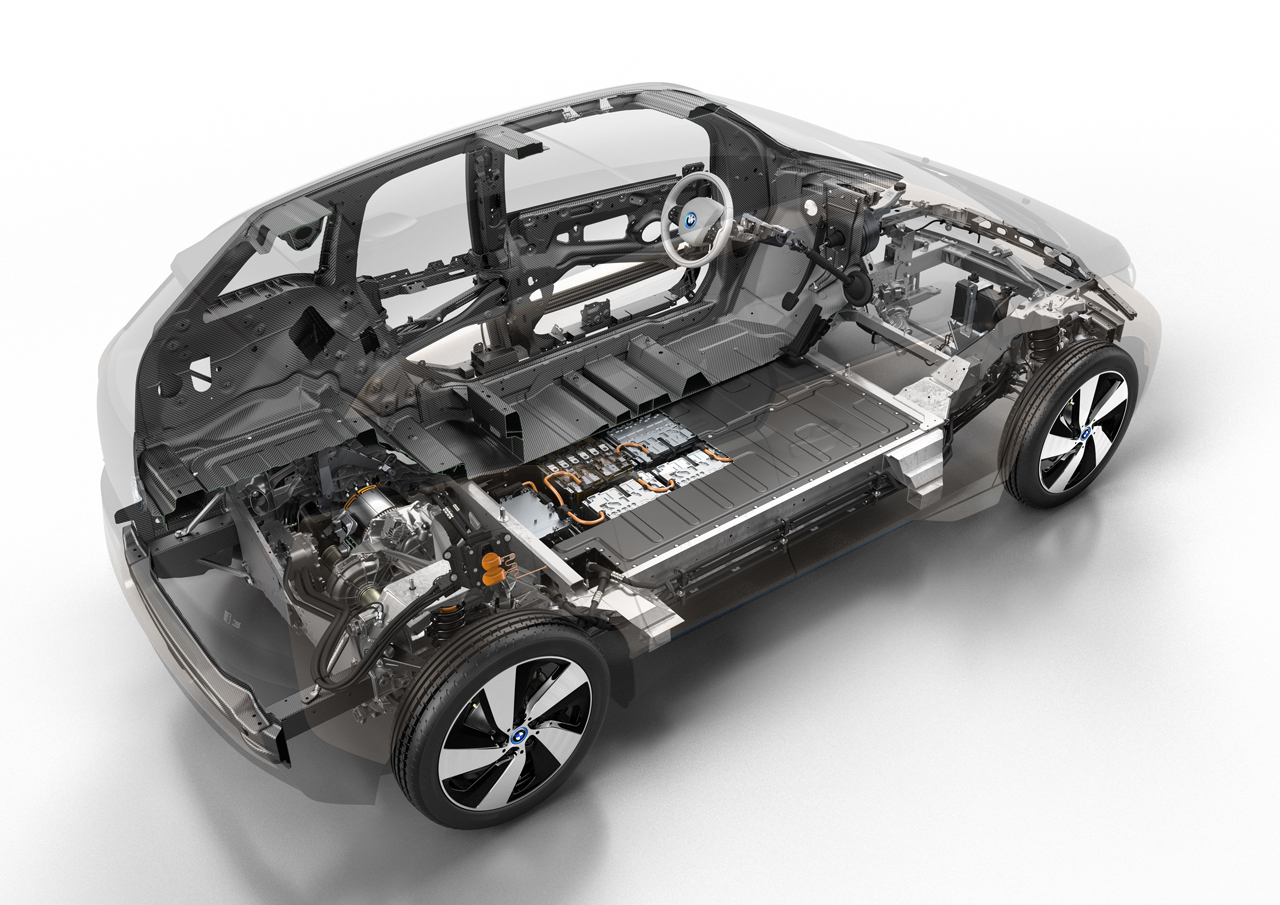
For BMW Group, this policy shift validates a strategy that was never built around absolutes. BMW’s long-standing power of choice approach deliberately avoided betting the company on a single drivetrain or regulatory outcome. Instead, BMW invested in parallel development of combustion, hybrid, and fully electric platforms, allowing the brand to adapt to regional realities rather than forcing customers into one solution.
That flexibility allows BMW to respond intelligently to local regulations, infrastructure readiness, and real-world buying behavior while continuing to drive down fleet emissions. It preserves critical combustion and hybrid expertise, supports continued investment in next-generation EV architectures like Neue Klasse, and keeps BMW resilient in a market where political timelines and consumer adoption rarely move in sync.
What some once dismissed as hedging now looks more like foresight. BMW did not slow the transition to electrification. It future-proofed it.

BMW’s product roadmap over the next decade now has far more breathing room. While Neue Klasse will define the brand’s electric future, the diluted 2035 ban means combustion and hybrid models no longer face a politically imposed cliff edge.
Instead of racing toward a fixed deadline, BMW can evolve its lineup based on customer demand, technological maturity, and regional conditions.
In practical terms, that could mean:
• Core BMW combustion models continuing in Europe well into the 2030s alongside electric equivalents
• Plug-in hybrids playing an expanded role as a bridge technology, particularly in performance and long-distance segments
• Future combustion engines increasingly optimized for synthetic fuels and biofuel compatibility to reduce lifecycle emissions
Importantly, this removes one of the largest strategic constraints facing BMW’s product planners. Instead of reacting to regulation, BMW can lead with engineering and let customers decide how quickly the transition unfolds.
Critics of the original 2035 ban warned it risked alienating buyers who were not ready or able to switch to EVs, particularly in rural regions or markets with limited charging infrastructure. Supporters of the revised plan argue it strikes a more realistic balance between emissions reduction, technological diversity, and consumer readiness.
From BMW’s perspective, this moment underscores why flexibility was always central to its strategy. Electrification remains non-negotiable, but the path to it does not need to be singular. By keeping multiple powertrain options viable, BMW protects its customers, preserves its engineering depth, and maintains the ability to adapt as technology and infrastructure evolve.
Europe is still moving toward dramatically lower emissions. But the road there now looks less absolute and far more pragmatic. For BMW, that may be the most important development of all.