Supreme Court Ends US Auto Tariffs. What It Means for BMW Prices
 by
by 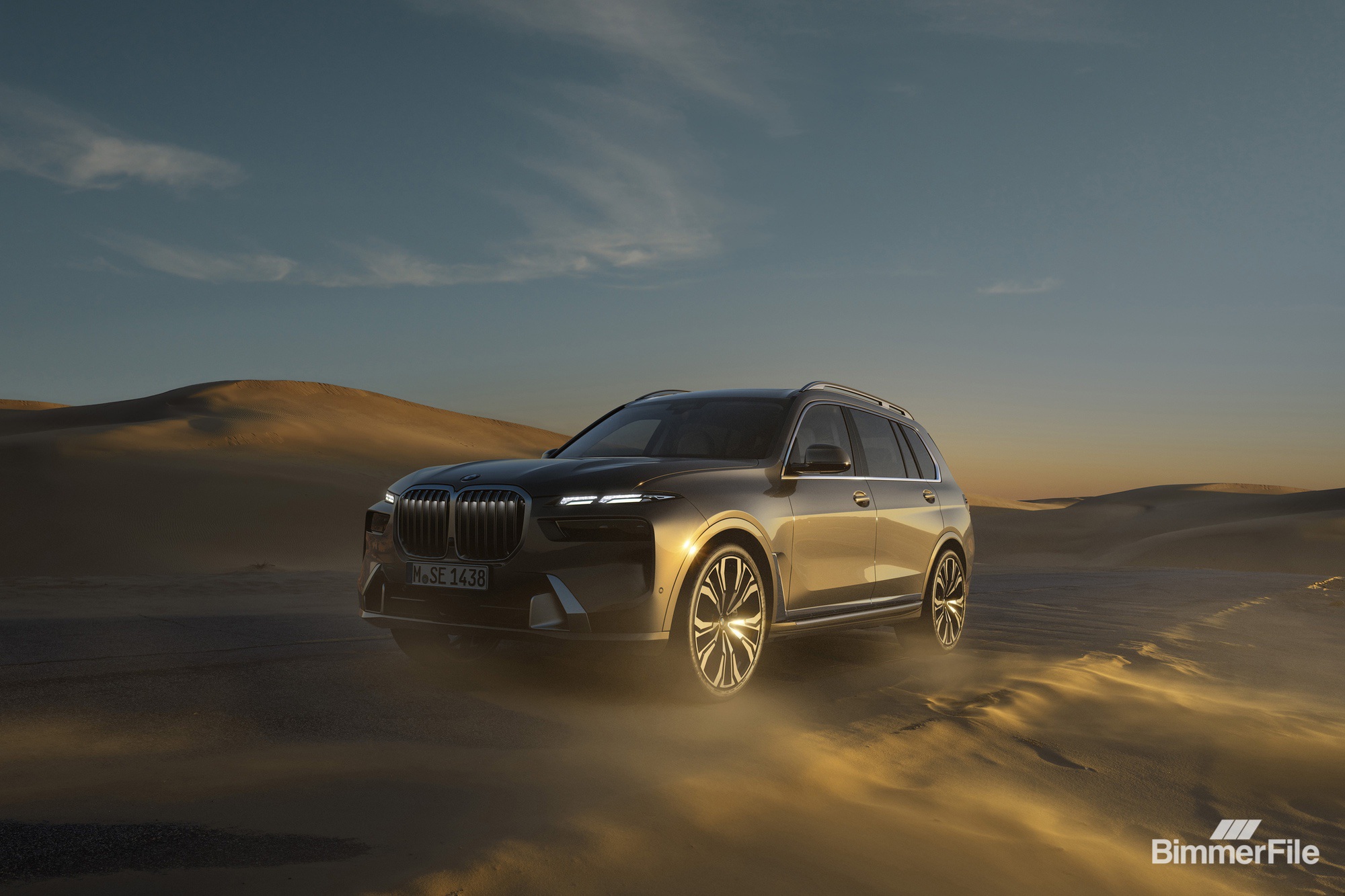

On February 20, 2026, the U.S. Supreme Court struck down most of the sweeping tariffs imposed under the International Emergency Economic Powers Act. The decision effectively voids the 10 percent “reciprocal” tariff that had been applied broadly to imports from countries including Germany and Mexico
For BMW Group, and specifically for BMW in the U.S., this is not an abstract legal debate. It will directly impact costs and potentially even prices for consumers.
And for once, the math favors Oxford and Munich.
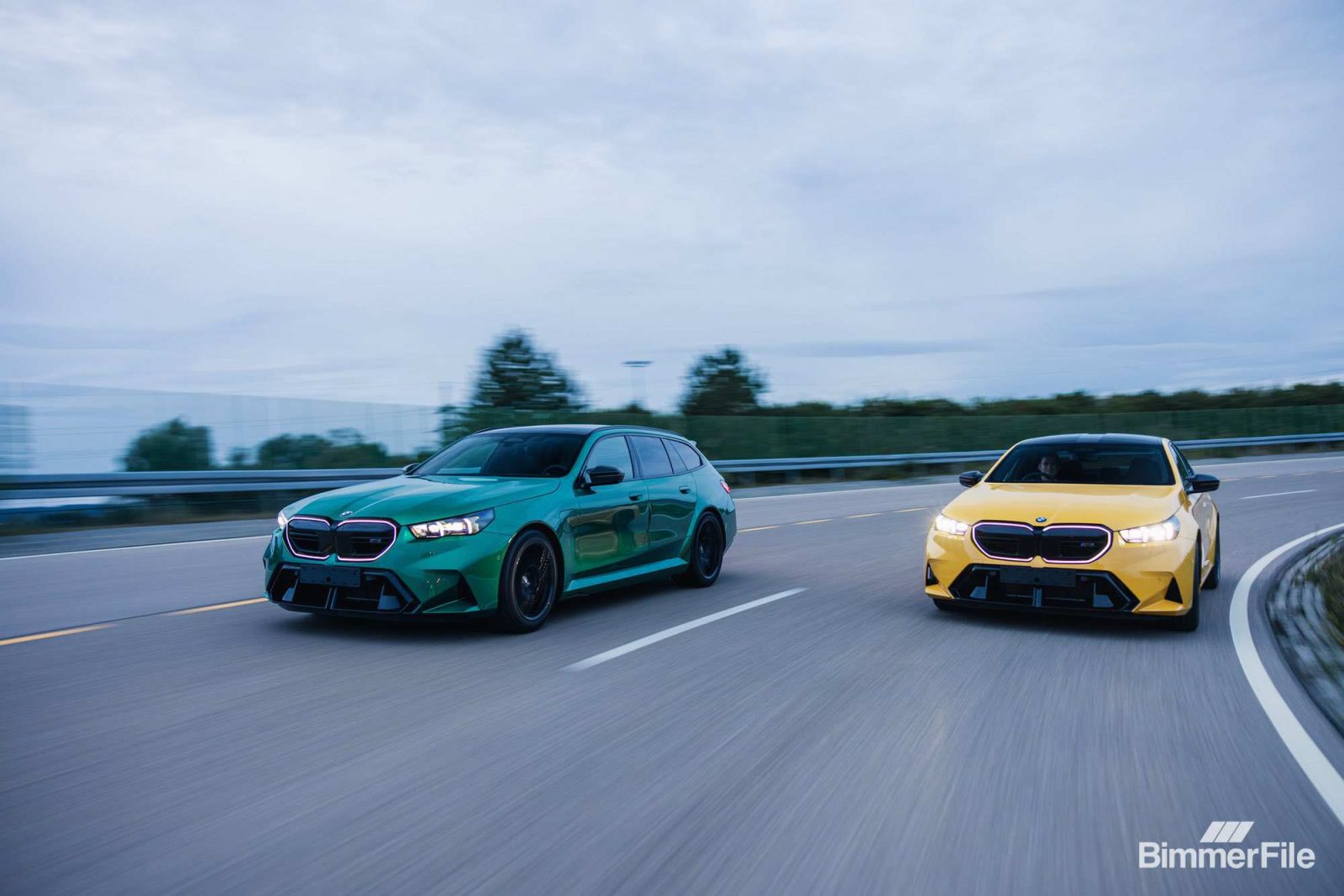
Under the now-invalidated policy, vehicles and components imported from Germany and the UK were subject to a 10 percent tariff layered onto their landed cost.
For BMW, that directly affected:
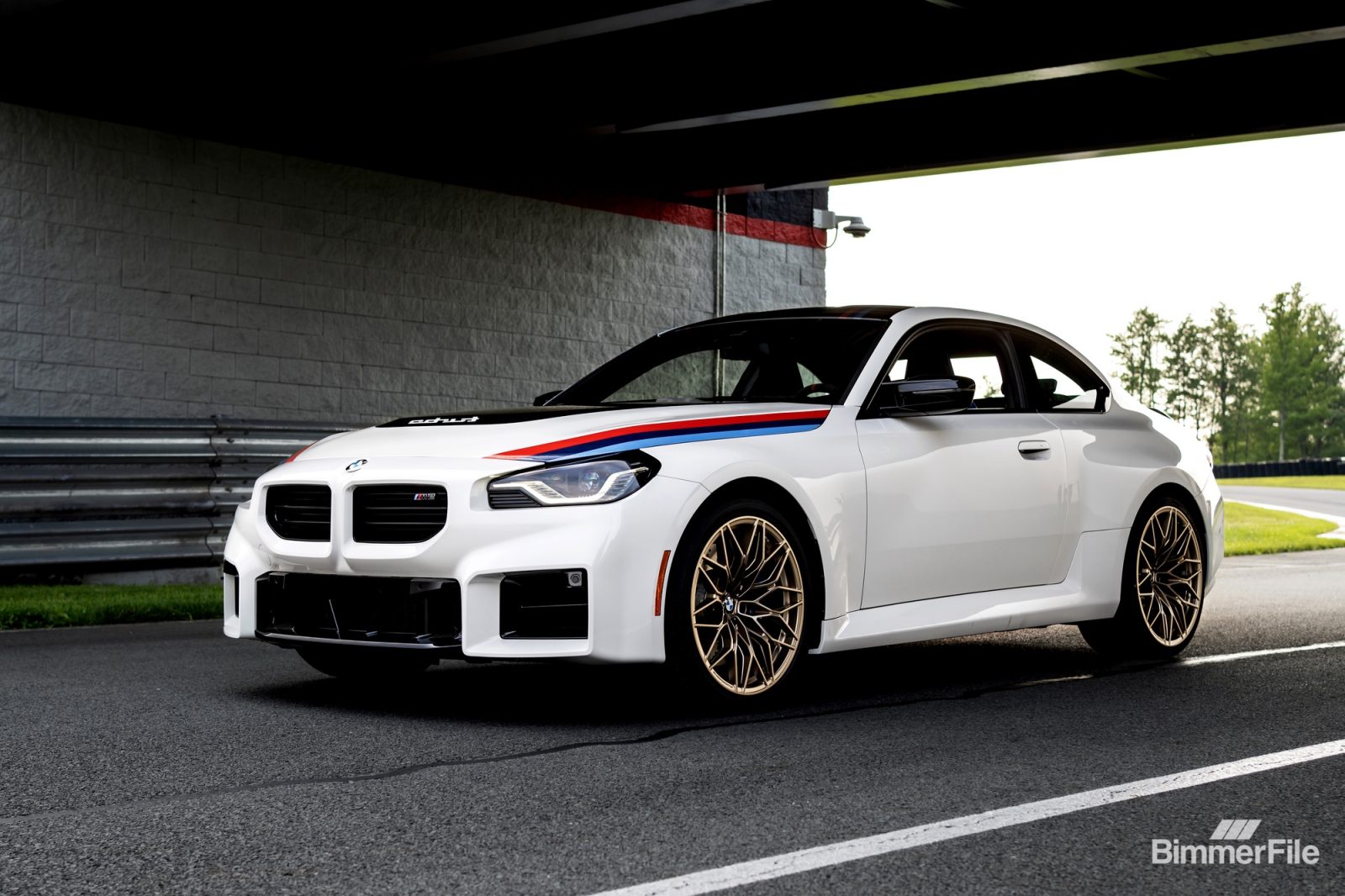
On a $50,000 German-built 5 Series, a 10 percent tariff represents roughly $5,000 in additional cost before dealer margin, logistics, and incentives. On a $70,000 i7, that’s $7,000 embedded in the structure.
Yes, transfer pricing, currency hedging and internal accounting blur the exact per-unit impact. But directionally, the tariff materially raised BMW’s cost base in the U.S.
And in a segment where lease payments define competitiveness more than window stickers, that matters enormously.
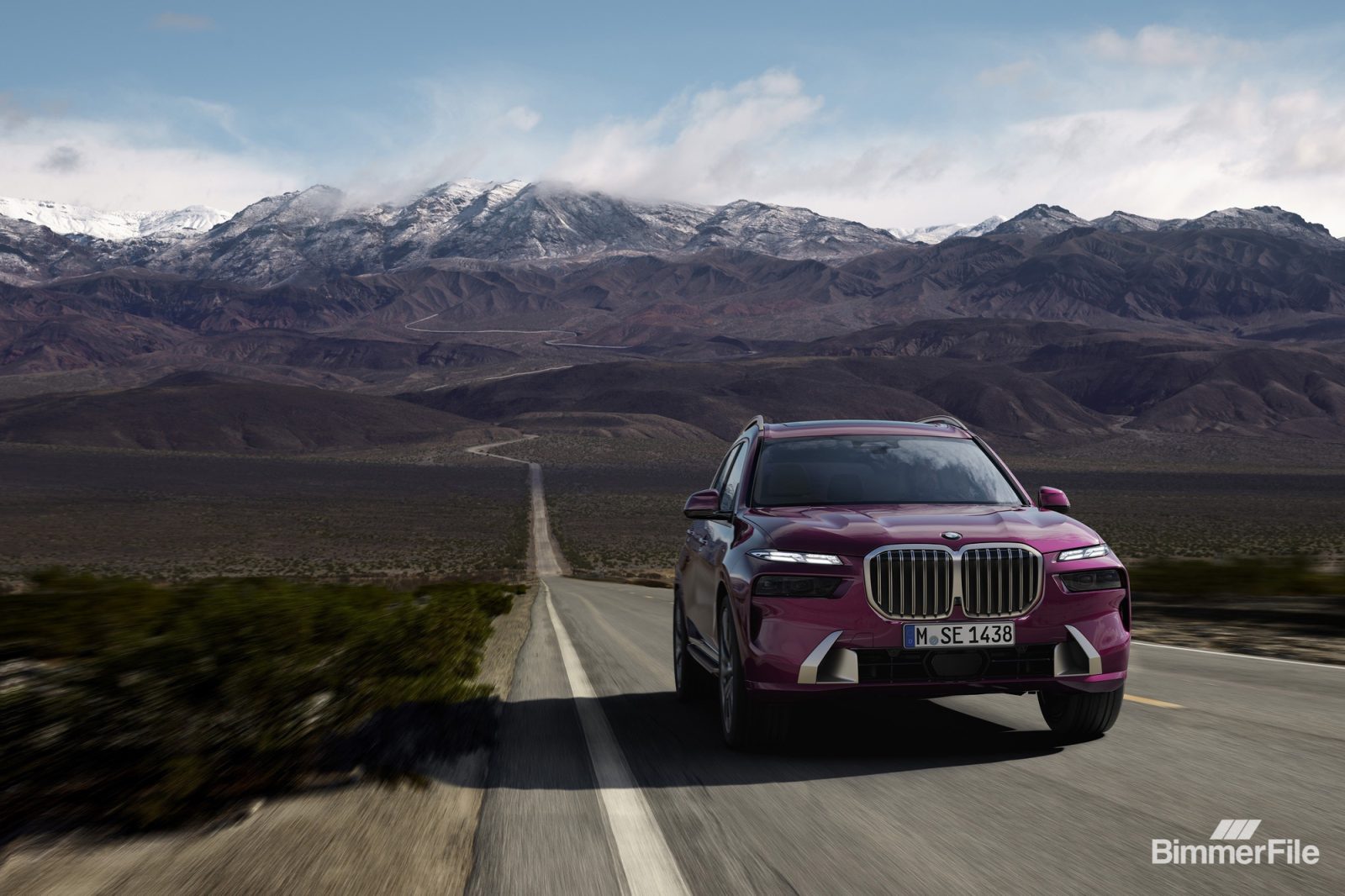
BMW’s U.S. manufacturing jewel, the Spartanburg plant in South Carolina, builds X3, X4, X5, X6, and X7 models for both domestic sale and global export. It is frequently — and correctly — cited as one of America’s largest automotive exporters.
But here’s the nuance: even American-built BMW SUVs were not fully insulated.
Many high-value components originate in Germany. Engines, transmissions, and advanced electronics were subject to the same 10 percent tariff when imported for U.S. assembly. That cost was embedded into every “Made in South Carolina” X5 or X7.
So this ruling doesn’t just lower the cost of German-built sedans and EVs. It improves the cost competitiveness of Spartanburg-built SUVs as well.
That second-order effect may be the most strategically important. For more on how BMW’s U.S. manufacturing footprint works, revisit this deep dive
ith the 10 percent tariff removed (unless reimposed under a different authority), BMW Group North America gains:
Will BMW slash MSRPs overnight? Unlikely. Automakers are not known for volunteering margin.
More realistically, expect:
In a market where luxury buyers are payment-sensitive and inventory discipline is tight, margin flexibility is oxygen.
This ruling does not:
What it does is remove a blunt 10 percent tax that distorted BMW’s U.S. pricing calculus at a fragile moment in the brand’s relaunch.
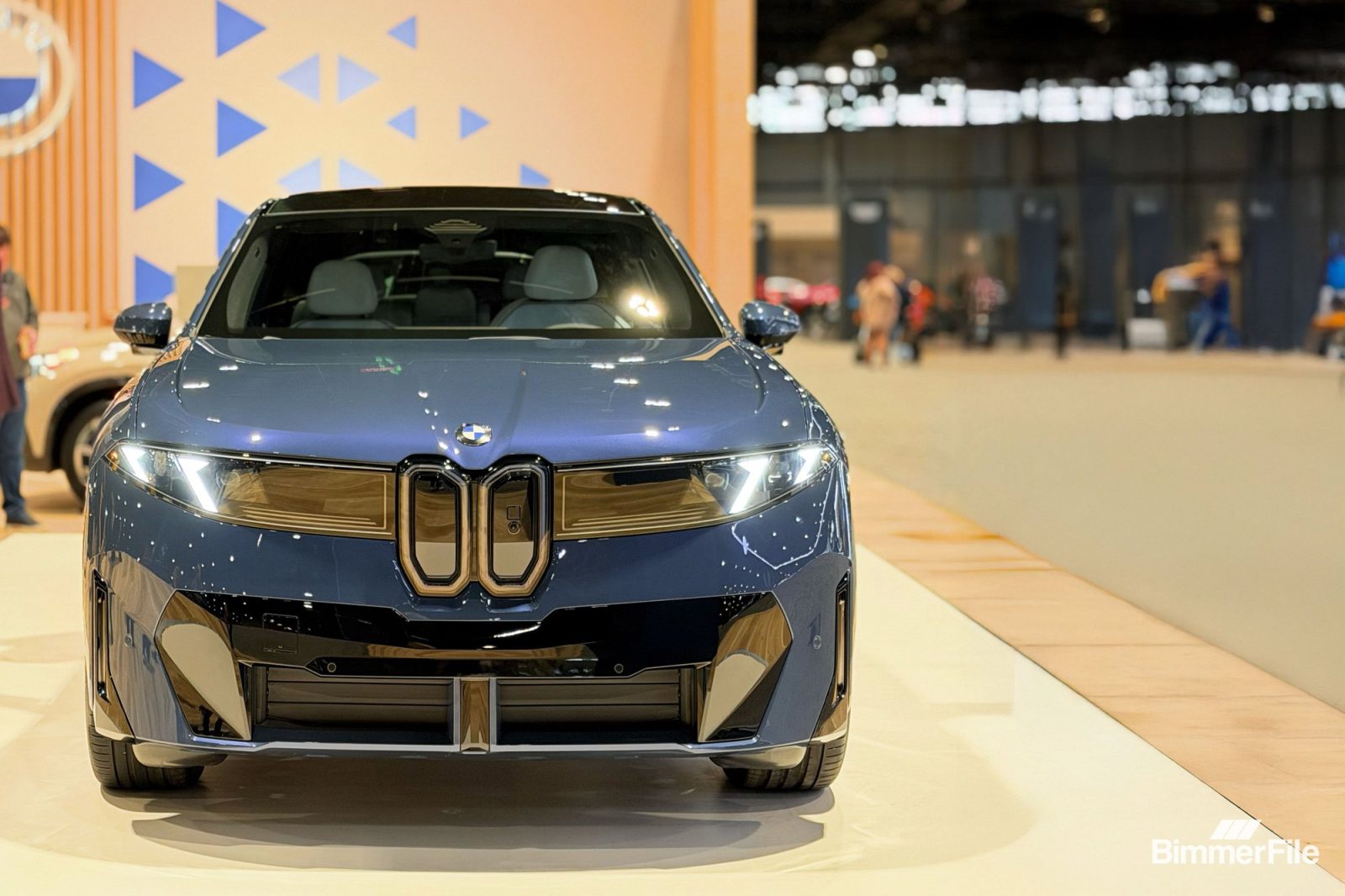
Electric vehicles were especially exposed. German-built EVs like the i4 and i7 carried tariff costs on top of already expensive battery and technology inputs.
Removing that 10 percent friction:
Given tightening margins across the premium EV segment, this relief comes at a strategically useful moment.
What This Doesn’t Do
This decision:
Congress retains authority. Other statutes remain available. Trade policy, like horsepower, tends to return in different forms.
But what this ruling does is remove a blunt 10 percent tax that distorted BMW’s U.S. pricing calculus at a fragile moment in the global auto market.
BMW operates one of the most globally integrated production networks in the industry. Germany feeds the U.S. The U.S. feeds the world. Components cross oceans multiple times before becoming a finished vehicle.
A 10 percent tariff in that ecosystem is not a rounding error. It’s a structural inefficiency.
By eliminating it:
In short, it gives Munich breathing room.
For BMW in the United States, the Supreme Court’s decision effectively removes a 10 percent surcharge on German-built vehicles and German-sourced components. That is meaningful.
It won’t transform the luxury market overnight. It won’t suddenly make a 7 Series inexpensive. But it does restore strategic flexibility at a time when electrification, competition, and consumer caution are all reshaping the premium segment. In the modern luxury space, perception and pricing walk hand in hand. And sometimes, the difference between “compelling” and “overpriced” is about 10 percent.