BMW’s Next 3 Series: The BMW i3 and G50 Take Shape
 by
by 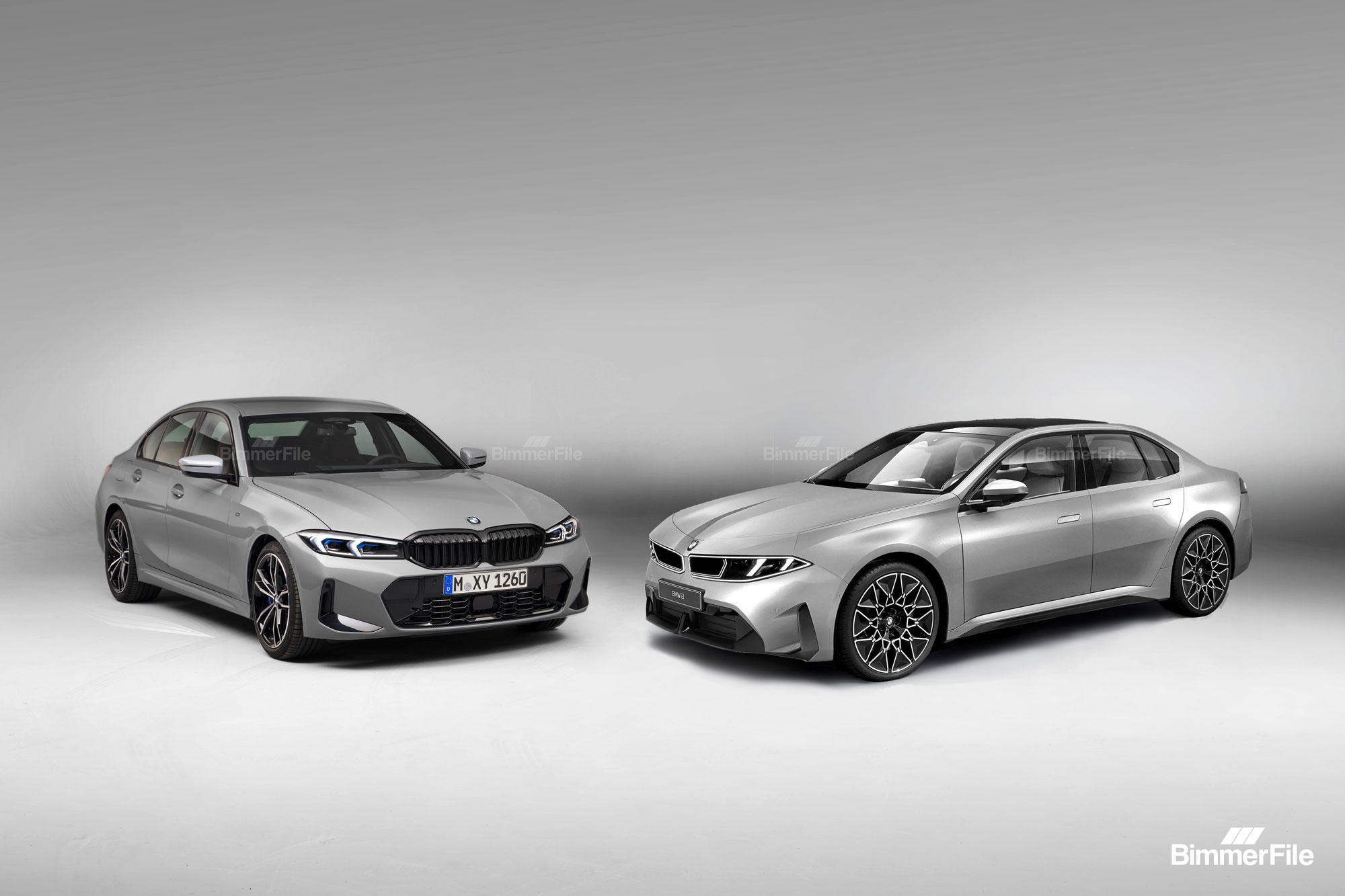

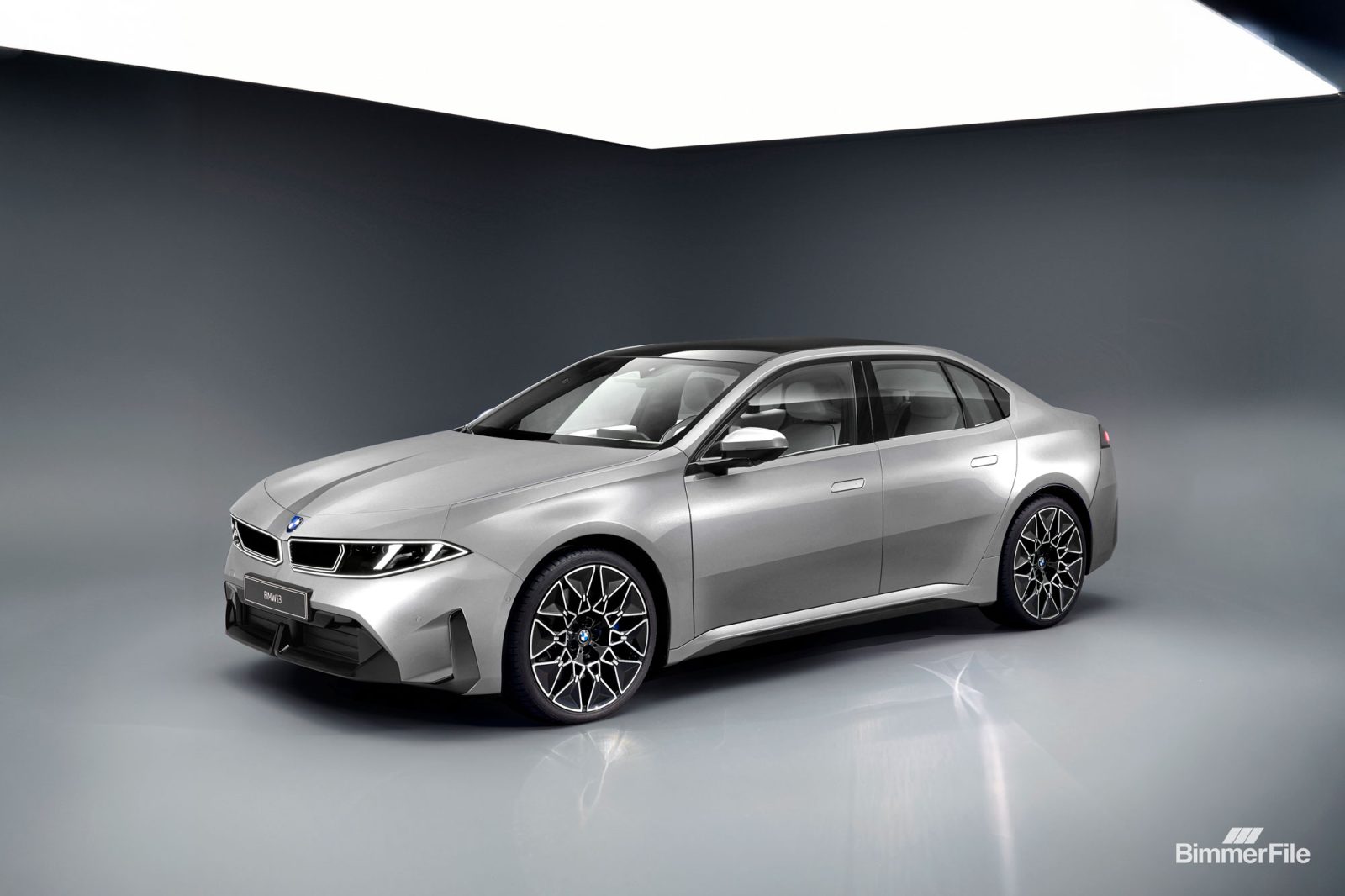
With the i3, BMW’s next generation 3 Series is partially here. The fully electric BMW i3, built on the Neue Klasse platform, represents a clean-sheet rethink of the brand’s most important car. But it is only half the story. Alongside it, BMW is preparing a petrol-powered successor to today’s 3 Series, code-named the G50, that will carry the formula forward in a very different way.
We’ve been tracking this dual-track strategy for years, but now it is finally coming into focus. BMW is not replacing the 3 Series with a single car. It is redefining it with two fundamentally different models that will share nearly identical design.
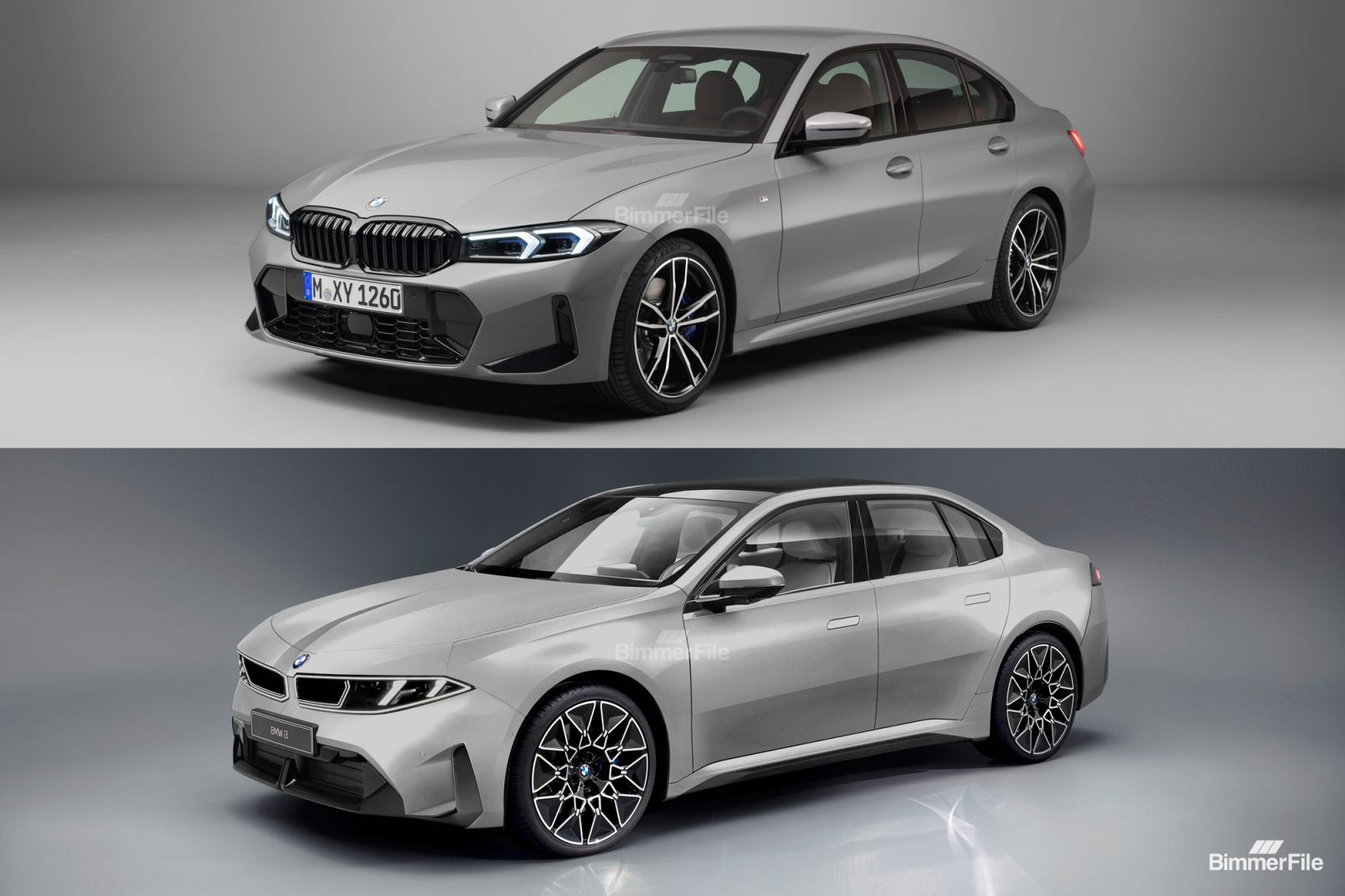
From the outside, that shared identity will be almost seamless. The new BMW i3 and the upcoming G50 are expected to look nearly identical, down to their proportions, lighting signatures, and overall stance. BMW is deliberately aligning the design of both cars so that, at a glance, they read as the same 3 Series.
Underneath, they are anything but.
Alongside the all-electric i3, BMW is preparing a petrol-powered 3 Series code-named the G50. At its core, this car will be a heavily reworked version of today’s G20, continuing on the CLAR platform with updated versions of the B48 and B58 engines.
These are not carryover engines in the traditional sense. Expect meaningful revisions to meet stricter EU emissions standards, along with incremental gains in efficiency, refinement, and hybrid integration. This will be the most advanced and likely the final evolution of BMW’s current combustion 3 Series formula.
From an engineering standpoint, it is evolution rather than revolution. From a design standpoint, it is something else entirely.

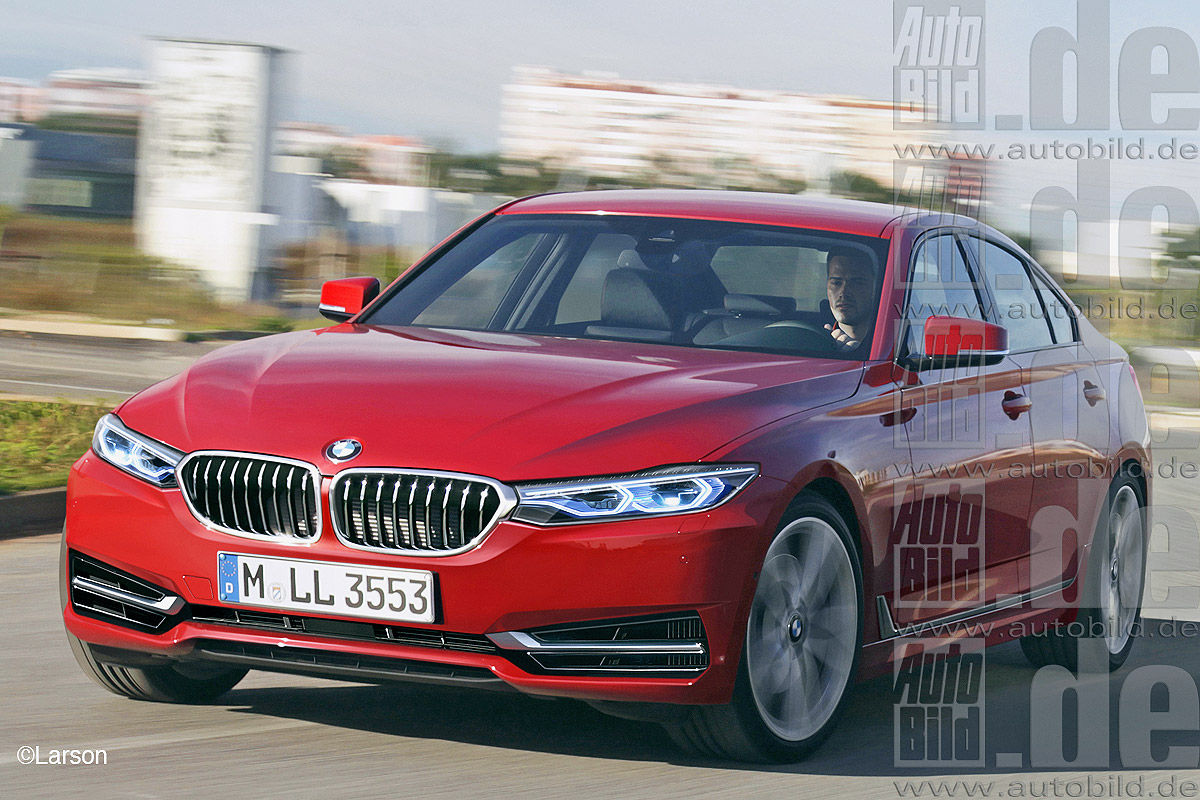
If you’re expecting the G50 to look like a facelifted G20, think again. BMW is planning to align it almost entirely with the design of the new i3.
That means the same proportions, the same front-end treatment, and the same lighting signatures that define the Neue Klasse look. Park the two cars next to each other and most people won’t be able to tell which one is electric and which one isn’t.
The i3 is a clean-sheet EV built on BMW’s Neue Klasse architecture, with a flat battery, new electronics, and an entirely different approach to packaging and dynamics. The G50 continues with a longitudinal engine layout, rear-wheel drive bias, and everything that has defined the 3 Series for decades.
For years, moving to an EV meant buying into a different design language and, in some cases, a different identity altogether. BMW is removing that friction. Instead of asking customers to choose between two different interpretations of a 3 Series, it is offering one design with two fundamentally different ways to power it.
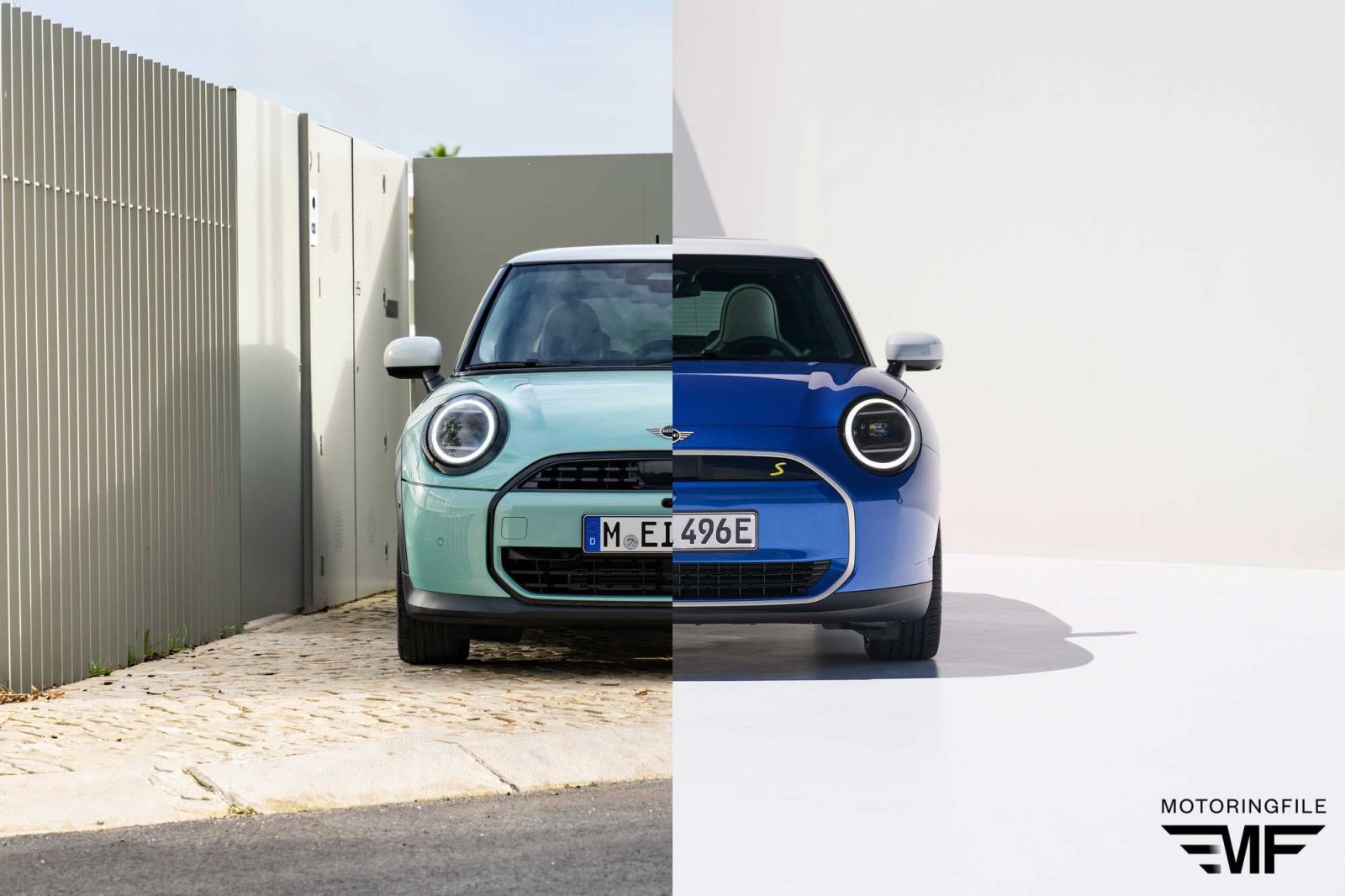
It is a strategy MINI began exploring with the latest Cooper, where electric and combustion versions share nearly identical design cues despite completely different architectures. BMW is now applying that thinking to its most important model. The theory is that customers will be able to make a choice that’s simply about drivetrain and not design not any different from choosing between diesel or petrol in years past.
What makes the G50 particularly interesting is what it represents in the broader context of BMW’s lineup.
This is not just another mid-cycle update. It is the continuation and likely the final full evolution of the combustion-powered 3 Series. The B48 and B58 engines will live on here, refined and optimized to meet regulatory demands while preserving the performance characteristics enthusiasts expect.
At the same time, the car will adopt a design that belongs to BMW’s future rather than its past.
That creates a unique moment where the most traditional version of the 3 Series looks almost identical to its most forward-looking interpretation.
The i3 represents where the brand is going, with a clean-sheet platform and a new approach to software, electronics, and electrification. The G50 represents where the brand is today, refined to its highest level but still rooted in familiar engineering.
What ties them together is design.
For the first time, BMW is separating what you see from how the car is engineered. Two completely different cars will share the same face, the same stance, and the same identity.
This raises a question that goes beyond specs or platforms. If two cars look the same but are fundamentally different underneath, what actually defines a 3 Series?
BMW seems to believe the answer is not the engine or even the platform. It is something more intangible, something tied to design, balance, and the overall experience. We are about to find out if that belief holds up. Because for the first time, the future of the 3 Series and its past will be parked side by side.