
The Next BMW M3 Is Confirmed: Electric & Combustion But Not a Manual in Sight
 by
by 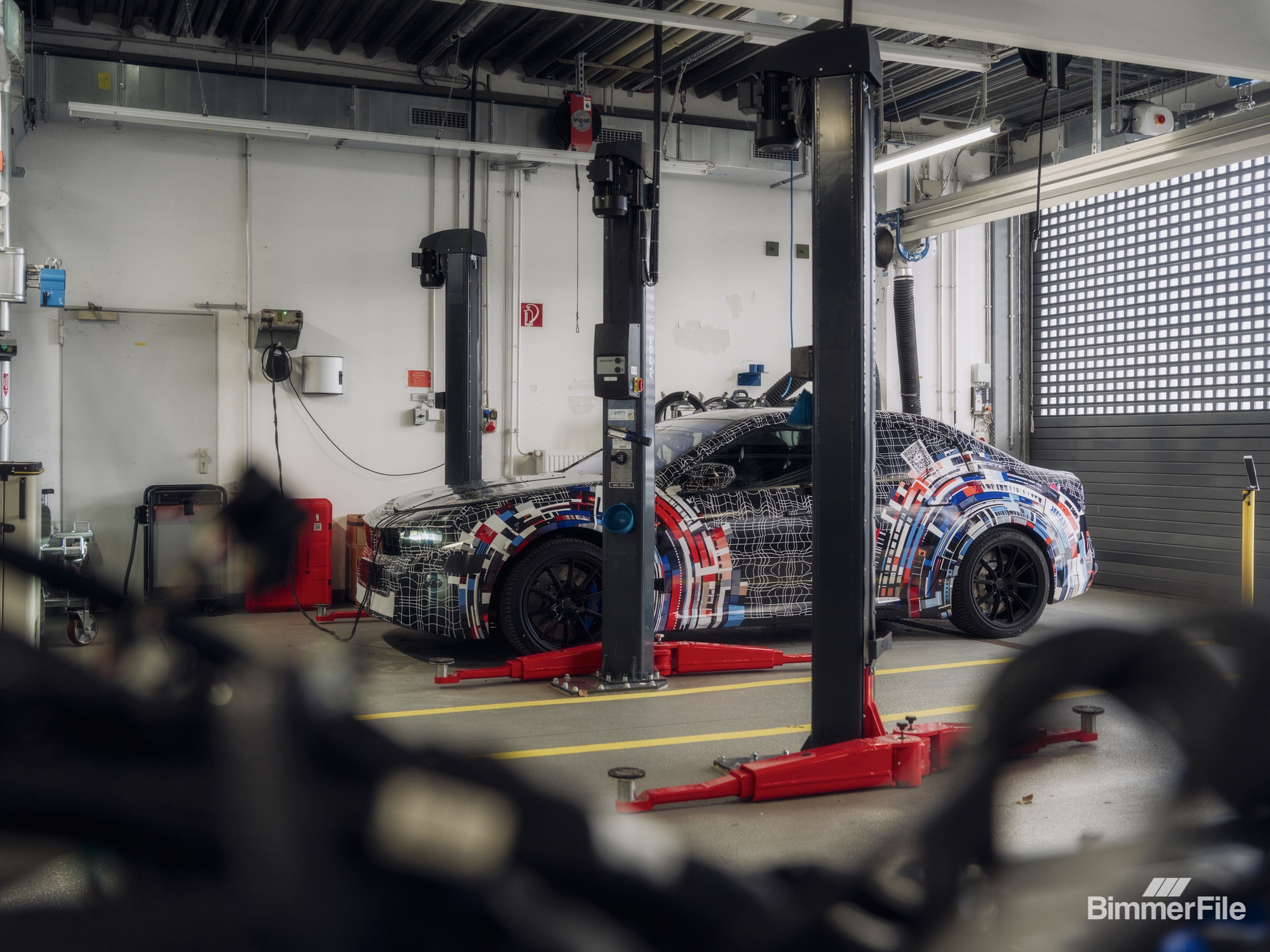
 by
by Let’s get the hard part out of the way first: the manual is dead. Not “probably going away.” Not “unlikely to return.” Dead. BMW M CEO confirmed it — there will be no clutch pedal in the next M3, full stop, in either of its two forms. Take a moment if you need it.
Okay. Now let’s talk about what we’re actually getting, because once you get past the grief, this story gets genuinely exciting.

BMW is doing something it has never done before: building two completely different M3s simultaneously. One electric. One combustion. Both coming in quick succession, both targeting a slightly different kind of M3 buyer — and between them, redefining what the nameplate even means.
Here’s the timeline:
ZA0 electric M3 enters production in March 2027. This is the Neue Klasse car. Clean-sheet platform, purpose-built EV architecture, and a drivetrain that reads more like a racing spec sheet than a road car option list: four independent electric motors, one per wheel, each routed through its own gearbox. Estimated output sits between 800 and 900 horsepower. Not a typo. BMW has said the ZA0 will be “the most dynamic M ever” — and with torque vectoring at each individual corner, they might actually be able to back that up.
G84 follows in July 2028. This one sits closer to what you know. It will be powered by a revised version of the S58 engine, making likely around 500 horsepower in base format. Contrary to earlier reports, M has found a way to hit Euro 7 standards without adding hybrids which will keep weight down and the car closer to the classic BMW ethos.

No manual. No rear-wheel-drive option for the G84. The ZA0 is xDrive by nature — four motors mean torque goes wherever the car decides it should. With Euro 7 standards, G84 will very likely be auto only due to the complexities of getting manual transmission cars to comply with the rigors of emission testing.
The manual M3 has been one of the few remaining handholds in a category drifting toward comfort and convenience. The G80 CS manual was a statement car precisely because it felt increasingly rare and deliberate. The next generation doesn’t carry that option forward at all, and BMW M has made clear they’re not revisiting the decision.

An 800-900 horsepower M3 with torque vectoring at every wheel.
Let that land for a second.
The ZA0 isn’t just a faster M3 — it’s a structurally different kind of fast. Individual motor control per corner means the car can do things with traction and rotation that no mechanical differential can replicate. BMW says it will be more dynamic than any M before it. Given what individual torque vectoring has done for cars like the Porsche Taycan Turbo GT, there’s no reason to doubt them.
And the G84 matters too, for a different reason. It keeps a combustion M3 in the lineup as electric infrastructure continues to catch up. The revised S58 should still be a fantastic engine. If BMW gets the calibration right, and the M division’s track record here is good, the G84 could be the last great combustion M3, and that’s not a small thing to be.
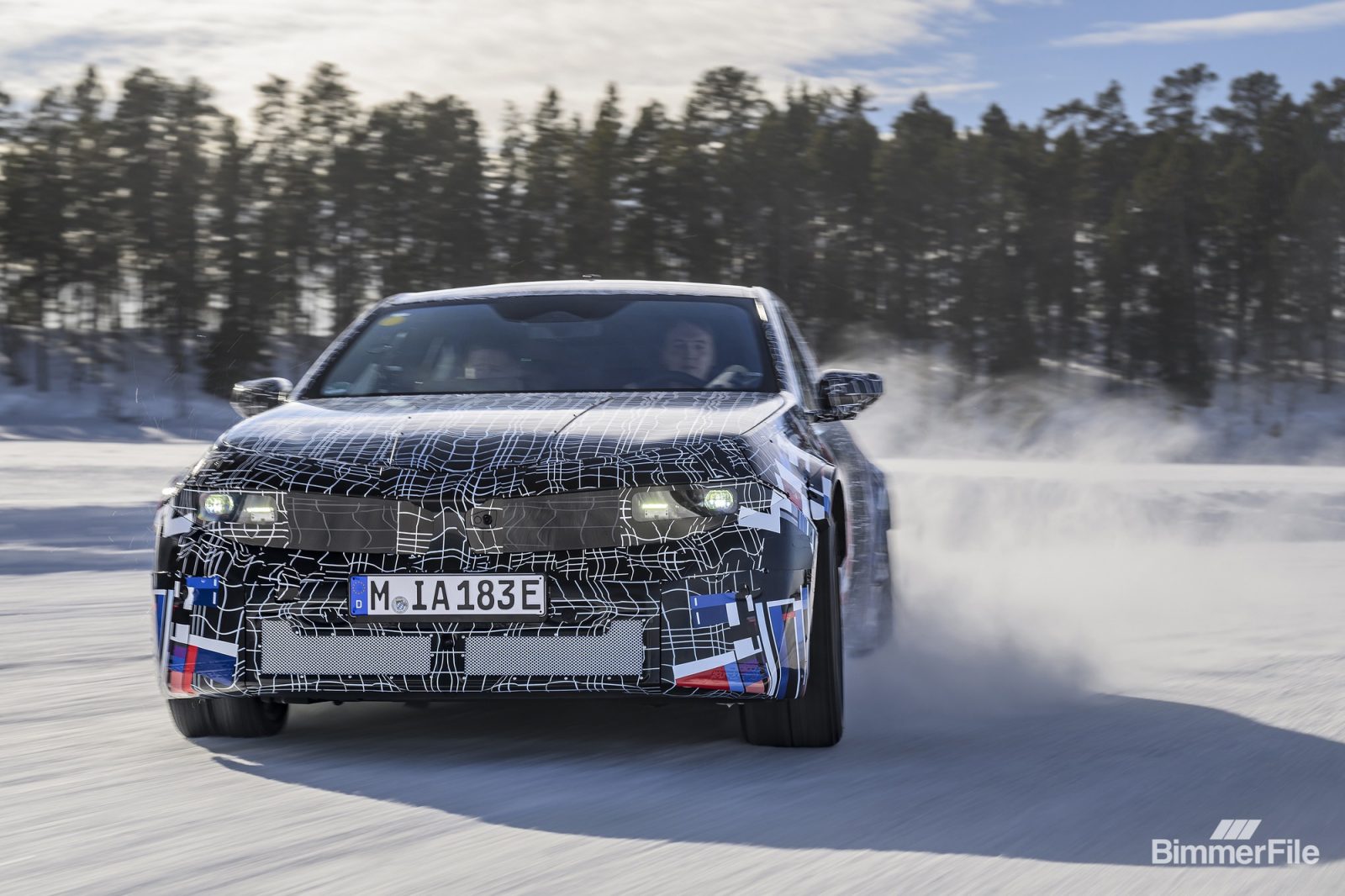
For the first time in the model’s history, BMW is building two M3s at once. One is the most extreme performance car the M badge has ever been attached to. The other is a bridge — a way for enthusiasts who aren’t ready for an electric performance car to stay in the tent a little longer.
The manual is gone. That’s a real loss, and it deserves to be called one. But what’s replacing it — a near-900hp Neue Klasse machine with four-corner torque vectoring — is something that didn’t seem possible in an M3 two years ago.
The G80 era ends on a high note. What comes next is weirder, faster, and more divided than any generation before it.
We’ll be watching the Nürburgring very closely in early 2027.


